
In the high-pressure world of South Korean entertainment, the pursuit of a lean, toned physique is often viewed as a professional requirement. Among the most scrutinized is singer and influencer Kang Min-kyung, whose slender frame and consistent health routine have garnered millions of followers across social media and YouTube. For many, her appearance is a goal; for medical professionals, it serves as a starting point for a critical conversation about the difference between sustainable wellness and restrictive dieting.
The fascination with Kang Min-kyung’s habits often stems from her transparency regarding her lifestyle, which blends mindful eating with disciplined physical activity. However, as the trend of mimicking celebrity routines grows, health experts are issuing urgent warnings. The line between a healthy “habit” and a dangerous dietary restriction is thin, and for those with underlying health conditions, the attempt to replicate a celebrity’s body can lead to severe physiological complications.
As a physician, I have seen a rising number of patients attempting extreme caloric deficits or rigid fasting windows in an effort to achieve a specific aesthetic. While consistency—the “10-year habit” often cited in media reports—is generally a virtue in health, the nature of that habit determines whether it preserves the body or depletes it. When a routine prioritizes lean aesthetics over nutritional density, the body begins to signal distress through a variety of systemic failures.
The Routine: Balancing Aesthetics and Activity
Kang Min-kyung has frequently shared her approach to maintaining her physique, which emphasizes a combination of consistent exercise and a curated diet. A cornerstone of her routine is Pilates, a low-impact form of exercise that focuses on core strength, flexibility, and muscular endurance. Unlike high-intensity interval training, Pilates emphasizes the mind-body connection and postural alignment, which contributes to the “long and lean” look often associated with her frame.

Beyond exercise, the discourse around her habits often touches upon mindful eating and the avoidance of processed sugars. In the context of long-term maintenance, these choices are generally positive. However, the public perception of these habits often evolves into a simplified “diet plan” that followers attempt to adopt without considering their own unique basal metabolic rates (BMR) or nutritional requirements.
The danger arises when “mindful eating” is misinterpreted as chronic caloric restriction. For a celebrity with a team of professionals, a lean physique is often managed with precision. For the general public, attempting to maintain an underweight or extremely lean profile without medical supervision can lead to a state of semi-starvation, regardless of how “healthy” the food choices appear to be.
The Medical Warning: When ‘Healthy’ Habits Become Harmful
While maintaining a lean body is not inherently unhealthy, the methods used to achieve it can be. When the body does not receive adequate macronutrients—proteins, fats, and carbohydrates—or essential micronutrients, it enters a catabolic state, where it begins to break down its own tissues for energy.
Medical literature indicates that restrictive dieting often leads to a cascade of adverse effects. One of the most immediate signals of nutritional deficiency is the disruption of the endocrine system. When calories are too low, the body prioritizes vital organ function over “non-essential” processes, such as hair growth and skin repair. This is why hair loss (telogen effluvium) is a common clinical marker in individuals following extreme weight-loss regimens according to the Mayo Clinic.
the gastrointestinal system is highly sensitive to dietary shifts. A lack of fiber and adequate hydration—common in restrictive “celebrity-style” diets—often results in chronic constipation. This is not merely a discomfort but a sign that the digestive tract is slowing down (gastroparesis), which can further impair nutrient absorption, creating a vicious cycle of malnutrition and fatigue.
Recognizing the Red Flags of Malnutrition
It’s imperative for anyone adopting a modern health regimen to monitor their body for specific “red flag” symptoms. If a routine designed for wellness begins to produce the following side effects, it is no longer a health habit; it is a medical risk:
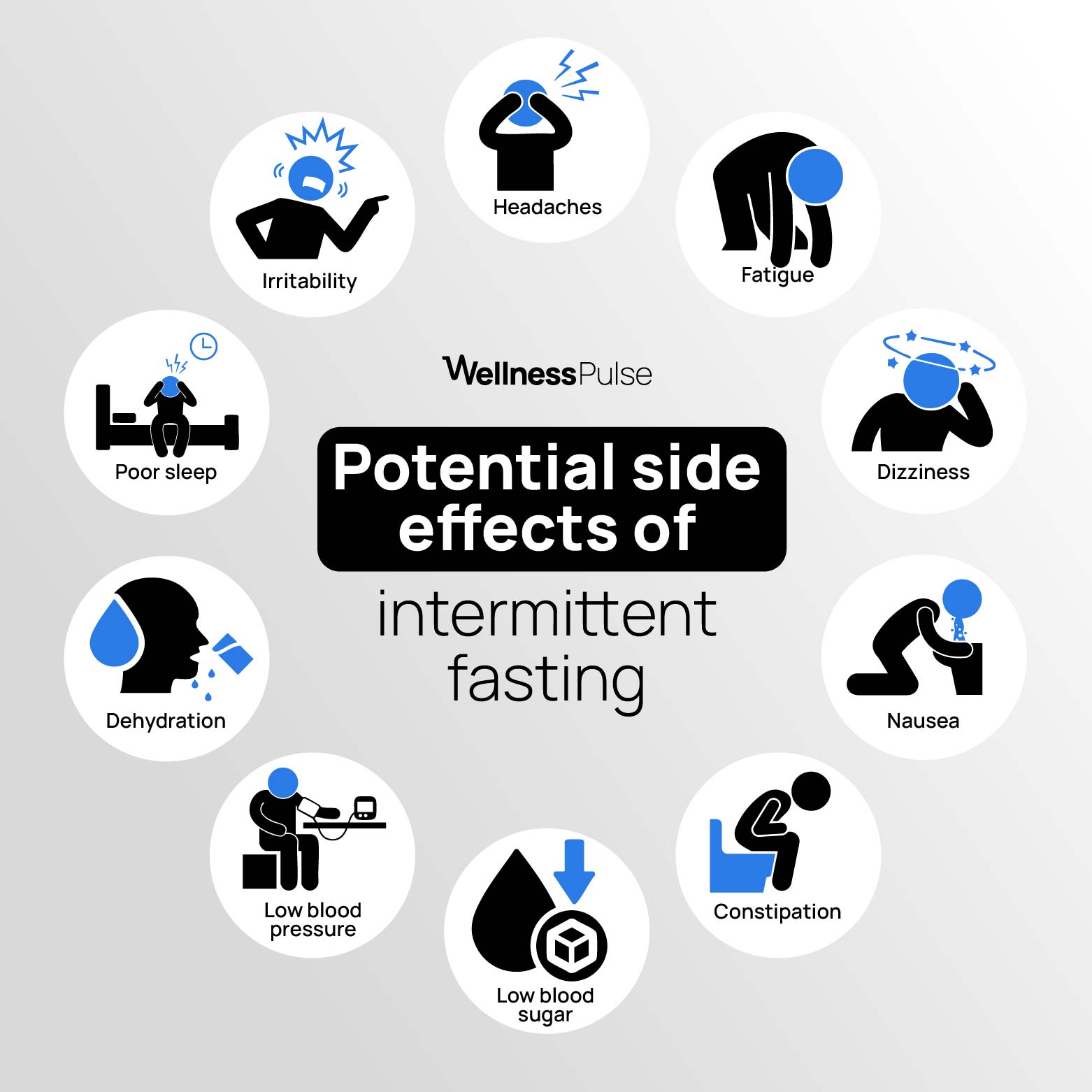
- Chronic Fatigue and Dizziness: Persistent lethargy or feeling faint upon standing often indicates anemia or hypotension, resulting from a lack of iron or insufficient caloric intake.
- Hair Thinning and Brittle Nails: These are primary indicators of protein deficiency and a lack of essential fatty acids.
- Digestive Distress: Severe constipation or bloating suggests an imbalance in gut flora or a lack of dietary fiber.
- Cognitive Fog: The brain requires a steady supply of glucose to function. A significant drop in carbohydrate intake can lead to difficulty concentrating and irritability.
The risk is exponentially higher for individuals with pre-existing conditions. For those with a history of hypoglycemia
, extreme fasting or low-carb habits can trigger dangerous drops in blood sugar, leading to tremors, confusion, or loss of consciousness. Similarly, individuals with gastrointestinal diseases or diabetes must avoid restrictive trends, as these can interfere with medication efficacy and glycemic control as detailed by the NHS.
Sustainable Wellness vs. Aesthetic Mimicry
The goal of health should never be to look like someone else, but to function at the peak of one’s own biological potential. A lean body is not always a healthy body, and a “10-year habit” is only beneficial if it supports the body’s long-term vitality.

To achieve sustainable wellness, medical professionals recommend a focus on nutrient density rather than calorie restriction. Which means prioritizing whole foods—leafy greens, lean proteins, healthy fats, and complex carbohydrates—that provide the building blocks for cellular repair and hormonal balance. Instead of following a rigid celebrity template, individuals should consult with a registered dietitian to determine their specific caloric needs based on their age, activity level, and health history.
Physical activity should also be tailored to the individual. While Pilates is an excellent tool for core stability and flexibility, it should be complemented with strength training to prevent muscle wasting (sarcopenia), which often accompanies extreme leanness. Maintaining muscle mass is critical for metabolic health and bone density, especially as one ages.
Key Takeaways for a Safe Health Journey
| Feature | Restrictive Mimicry | Sustainable Wellness |
|---|---|---|
| Primary Goal | Aesthetic similarity to a celebrity | Optimal physiological function |
| Dietary Focus | Caloric deficit / Elimination | Nutrient density / Balance |
| Physical Signal | Fatigue, hair loss, dizziness | Increased energy, mental clarity |
| Approach | Rigid, one-size-fits-all rules | Personalized, adaptable planning |
| Long-term Result | Metabolic slowdown / Burnout | Improved longevity and vitality |
The Path Forward
The influence of figures like Kang Min-kyung can be a positive catalyst for people to start exercising and eating more mindfully. However, the responsibility lies with the individual to ensure that their pursuit of health does not inadvertently lead to harm. The most important “habit” one can develop is the habit of listening to one’s own body. When the body signals fatigue, dizziness, or digestive failure, the only correct response is to stop the restrictive behavior and seek professional nutritional guidance.
For those currently experiencing the side effects mentioned—such as hair loss or chronic fatigue—the immediate priority should be nutritional replenishment. Transitioning back to a balanced diet should be done gradually to avoid refeeding syndrome in extreme cases, ideally under the supervision of a healthcare provider.
We find currently no official medical guidelines released specifically for “celebrity diet” safety, but the World Health Organization (WHO) continues to emphasize the importance of a balanced diet and regular physical activity tailored to individual needs to prevent non-communicable diseases.
Do you have experience with celebrity health trends? Have you found a balance between aesthetics and actual health? Share your thoughts and experiences in the comments below.