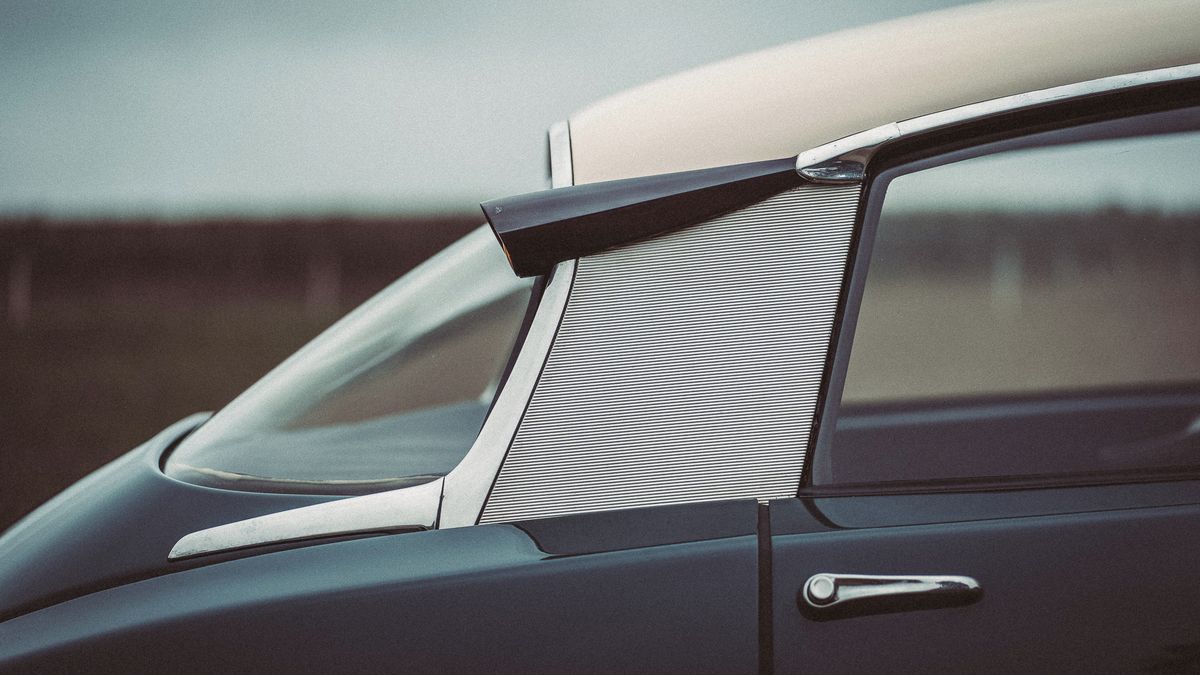
In the high-stakes world of automotive prestige, the “coolest” car of all time is rarely a matter of horsepower or price tags. While luxury marques like Ferrari and Porsche typically dominate the conversation surrounding automotive excellence, a recent shift in public sentiment has placed a surprising champion at the top of the podium: a mass-market French icon.
The Citroën 2CV, a vehicle designed not for the racetrack but for the rural French farmer, has emerged as a symbol of timeless “cool” in recent polling and enthusiast discussions. This victory represents a significant cultural pivot, where the utilitarian charm and democratic spirit of a “people’s car” outweigh the aggressive exclusivity of Italian supercars or German precision engineering.
As a financial journalist who has spent nearly two decades analyzing global markets, I find this trend particularly telling. The 2CV’s ascent is not merely a nostalgia trip. We see a reflection of a broader economic and social shift toward “slow living” and sustainable, minimalist design. In an era of hyper-complex electric vehicles and autonomous driving, the raw simplicity of the 2CV offers a visceral connection to the road that modern luxury often obscures.
The Triumph of Utility Over Luxury
The Citroën 2CV—affectionately known as the deuche
—was conceived with a radically different objective than the prestige vehicles it now rivals in popularity. Launched in 1948, the 2CV was engineered to be affordable, durable, and capable of transporting a farmer and several baskets of eggs across a plowed field without breaking an egg. It was the antithesis of the Ferrari; where the latter emphasized speed and status, the 2CV emphasized accessibility and practicality.
This utilitarian origin is precisely why the model has captured the global imagination. The car’s distinct silhouette, characterized by its corrugated metal and roll-back canvas roof, has become a visual shorthand for French bohemianism. For many, the “cool” factor lies in the car’s refusal to conform to traditional standards of automotive beauty or performance.
The 2CV’s enduring appeal is further cemented by its historical role in democratizing mobility. By providing a reliable means of transport to the masses, Citroën didn’t just sell a product; they shifted the social fabric of post-war Europe. This legacy of inclusivity continues to resonate with modern audiences who value authenticity over ostentation.
Market Shifts and the “Youngtimer” Trend
While the 2CV remains a sentimental favorite, the broader classic car market is undergoing a fascinating transformation. Recent data suggests that the hierarchy of collectability is shifting. According to the 2026 baromètre from Classic Expert, the Citroën 2CV is no longer the most sought-after French collector car, as a new generation of enthusiasts enters the market.
This shift is driven by the rise of “youngtimers”—vehicles from the 1980s through the early 2000s. As the demographic of collectors ages down, there is an increasing demand for cars that evoke the nostalgia of the late 20th century. This evolution indicates that while the 2CV may win the “coolest of all time” sentiment, the actual financial liquidity in the market is moving toward more modern classics.
Interestingly, the Classic Expert 2026 report notes that the Porsche 911 has claimed the top spot in a more selective, high-end market. This creates a duality in the automotive world: the 2CV represents the emotional “cool” of the masses, while the Porsche 911 represents the financial “cool” of the investor.
The Legacy of French Innovation
The success of the 2CV is not an isolated incident of French charm; it is part of a larger tradition of disruptive engineering at Citroën. The brand has a history of challenging the status quo, often producing vehicles that looked and functioned like nothing else on the road.
- The Traction Avant: Introduced in 1934, this model revolutionized the industry by combining a monocoque body with front-wheel drive and hydraulic brakes.
- The DS: Launched in 1955, the DS (or “Goddess”) was so futuristic that it was often compared to a UFO, featuring advanced hydropneumatic suspension that provided an unprecedented ride quality.
- The CX: A successor to the DS, the CX continued the tradition of aerodynamic excellence and innovative technology, winning the European Car of the Year award in 1975.
These vehicles shared a common thread with the 2CV: a refusal to follow the established playbook. Whether it was the extreme luxury of the DS or the extreme minimalism of the 2CV, Citroën’s identity was built on being the “outsider” of the automotive world.
Why This Matters for the Global Economy
From an economic perspective, the enduring popularity of the 2CV highlights a growing consumer trend: the valuation of “emotional equity.” In the current market, the price of a classic car is no longer just about rarity or condition; it is about the story the car tells. The 2CV tells a story of resilience, simplicity, and a certain carefree attitude toward life.
For automotive manufacturers today, the lesson is clear. As the industry pivots toward electrification and software-defined vehicles, there is a risk of losing the “soul” of the machine. The 2CV’s victory in “coolness” suggests that consumers are hungry for character and personality—traits that are often stripped away in the pursuit of aerodynamic efficiency and sterile luxury.
the shift toward youngtimers and the continued love for the 2CV indicate a diversifying investment landscape. Classic cars are increasingly viewed as “passion assets,” where the return on investment is measured as much in emotional satisfaction as in capital gains.
Key Takeaways: The Cultural Shift in Automotive “Cool”
- Sentiment over Specs: The Citroën 2CV’s popularity proves that cultural significance and “soul” can outweigh technical performance in the eyes of the public.
- Democratic Design: The 2CV’s victory marks a preference for accessibility and utility over the exclusivity associated with brands like Ferrari.
- Generational Transition: While the 2CV remains an icon, the 2026 market data shows a rise in “youngtimer” popularity, shifting the financial focus toward cars from the 1980s-2000s.
- Innovation Legacy: The 2CV is part of a broader Citroën lineage of disruptive design, including the Traction Avant and the DS.
As we look toward the future of mobility, the legacy of the Citroën 2CV serves as a reminder that the most successful products are often those that solve a real human need with honesty and simplicity. In a world of complexity, there is nothing cooler than a car that simply works, invites the wind in, and doesn’t take itself too seriously.
The next major milestone for the classic car community will be the upcoming 2026 international concours events, where the intersection of traditional luxury and “utilitarian cool” will likely be on full display.
Do you believe the “coolest” car is defined by its performance or its story? Share your thoughts in the comments below and let us know which classic vehicle defines your idea of automotive style.
Related reading
- Las falencias en el acceso al financiamiento. Acceder al crédito no siempre depende solo de …
- Andy Burnham promises to end Labour infighting as he becomes party’s leader
- The Mpemba Effect: Why Hot Water Sometimes Beats Cold to Freeze (daybreakwire.com)
- Austrian Telecom Sector Evolves as Austrian Post Launches YELLLOW Brand (archyworldys.com)