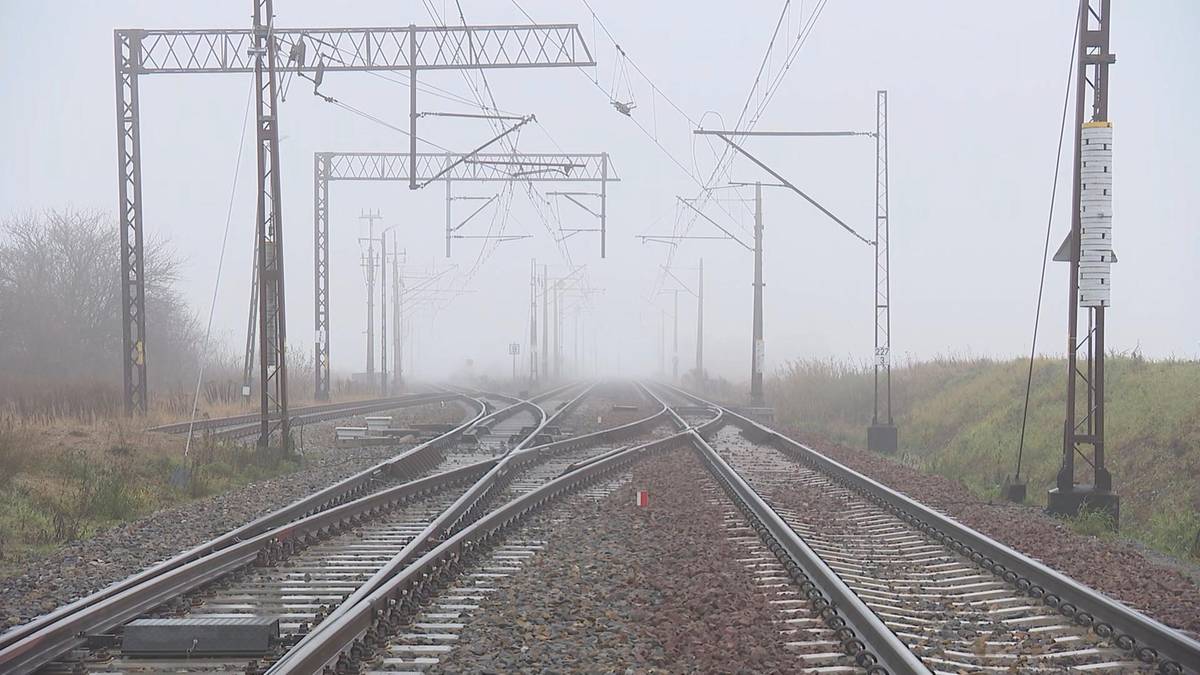
International travel between Poland and Germany faced severe disruptions following a major technical failure on one of Central Europe’s most critical rail arteries. A significant overhead line failure on the line connecting Poznań and Berlin led to widespread delays, leaving thousands of passengers stranded and causing a logistical ripple effect across the regional network.
The incident centered on the international railway line No. 3, where a breakdown of the traction network caused a near-total paralysis of rail traffic. For passengers traveling toward the German capital, the disruption manifested as massive delays, with some reports indicating that specific trains were delayed by more than 800 minutes according to local reporting.
The scale of the failure necessitated the activation of a crisis management team by the railway infrastructure manager to coordinate repairs and organize alternative transport. While the immediate physical damage was addressed, the subsequent “scheduling chaos” continued to impact travelers long after the tracks were cleared.
Infrastructure Failure at Zbąszynek
The epicenter of the disruption was identified at the railway station in Zbąszynek, located in the Lubuskie Voivodeship. According to Radosław Śledziński of the PKP PLK press office, the failure occurred at approximately 15:20 on a Tuesday as reported by Gazeta Prawna. The specific cause was the tearing of the overhead traction lines, which effectively cut off power to the electric trains operating on the route.
The timing of the failure—mid-afternoon—created an immediate bottleneck for both domestic and international services. Because line No. 3 is a primary corridor for traffic between Warsaw, Poznań, and Berlin, the stoppage did not merely affect cross-border travelers. Passengers heading toward other major Polish cities, including Gdańsk, also experienced significant delays as trains were diverted or held at stations to avoid further congestion.
Repair efforts were intensive, with crews working through the night to restore the electrical infrastructure. The total paralysis of the line lasted approximately 15 hours according to reports from Lega Artis, with normal traffic only beginning to resume the following Wednesday morning around 6:40.
Impact on Passengers and Logistics
The human impact of the failure was marked by extreme wait times. While some trains faced delays of several hours, the most severe cases saw a train from Warsaw to Berlin delayed by over 400 minutes, while a service in the opposite direction suffered a delay exceeding 800 minutes according to official communications via PAP.
To mitigate the crisis, PKP Intercity and the infrastructure manager implemented several emergency measures:
- Crisis Staff Activation: A dedicated team was established to manage the flow of information and coordinate with various train operators.
- Alternative Transport: Replacement bus services were deployed on specific segments, such as from Poznań toward Buk, transporting passengers to Palędź or Zbąszynek to bypass the damaged section.
- Rerouting: Some services were diverted, though this often led to secondary delays on other lines due to the sudden increase in traffic volume.
Key Takeaways: The Poznań-Berlin Rail Disruption
- Primary Cause: Torn overhead traction lines at the Zbąszynek station.
- Duration: Approximately 15 hours of total paralysis before traffic resumed.
- Peak Delay: Some international services were delayed by more than 800 minutes.
- Affected Route: International railway line No. 3 (Poznań – Berlin).
- Resolution: Repairs were completed by Wednesday morning, though scheduling ripples persisted.
The Strategic Importance of Line No. 3
The severity of the disruption highlights the vulnerability of the rail corridor connecting Poland and Germany. Line No. 3 is not merely a regional track but a strategic international link that facilitates the movement of thousands of passengers and significant amounts of freight daily. When a single point of failure—such as the traction network in Zbąszynek—occurs, the lack of immediate, high-capacity alternatives can lead to the kind of “paralysis” witnessed in this event.
For frequent travelers, this incident underscores the importance of monitoring real-time updates via the PKP Intercity app or official portals. In cases of massive failure, the transition to replacement bus services (ZKA) is the primary fallback, though as seen in this instance, the capacity of buses cannot fully replace the volume of a high-speed rail corridor.
Industry analysts often point to the demand for increased redundancy in power systems and more flexible routing options to prevent a single technical fault from halting international transit for over half a day.
Travelers are advised to check the current status of their connections via the PKP Intercity official website for any remaining residual delays or updated schedules.
The railway authorities have not yet announced a formal investigation into why the traction lines failed, but the restoration of service remains the immediate priority. Further updates regarding infrastructure upgrades on the Poznań-Berlin route are expected in upcoming quarterly reports from the infrastructure manager.
World Today Journal encourages readers to share their experiences with regional rail disruptions in the comments below.