
History is often written through the lens of generals and monarchs, but the true resilience of a nation frequently resides in the courage of its unnamed citizens. In the quiet hills of Geumsan, South Korea, there is a place where this collective bravery is etched into the landscape: Chilbaegui-chong, the memorial to the 700 Righteous Army members.
For families seeking a destination that blends natural beauty with profound historical lessons, this site offers more than a walk through the woods. It serves as a poignant reminder of the commoners who protected the nation
during one of the most tumultuous periods in East Asian history, making it a compelling educational visit for parents and children alike.
The site centers on the memory of the Righteous Army—volunteer militias composed of scholars, farmers, and local villagers—who rose to defend their homes during the Imjin War. Unlike the professional military, these individuals were driven by a sense of civic duty and desperation, fighting a guerrilla war against invading forces when the central government’s defenses had crumbled.
The Legacy of the 700 Righteous Army
To understand the significance of Chilbaegui-chong, one must glance back to the Imjin War, a series of Japanese invasions of Korea that lasted from 1592 to 1598. During this conflict, the Korean peninsula faced an existential threat as Japanese forces advanced rapidly toward the capital.
While the regular army struggled, the Uibyeong
(Righteous Army) emerged. These were not trained soldiers but ordinary people who utilized their knowledge of the local terrain to harass enemy supply lines and protect civilian populations. In the Geumsan region, roughly 700 of these volunteers fought and eventually perished in their efforts to repel the invaders.
The term 민초
(min-cho), literally meaning grassroots
or common people
, is often used to describe these fighters. The metaphor suggests that like grass, the common people may be stepped upon, but they possess an innate strength and ability to rise again, ensuring the survival of the land they inhabit.
Exploring Chilbaegui-chong and Jungyongsa Shrine
Visitors to the site will find a serene atmosphere that contrasts sharply with the violence of the battles fought centuries ago. The memorial is not merely a grave but a cultural complex designed for reflection and honor.
The focal point of the spiritual tribute is the Jungyongsa Shrine. This shrine is dedicated to the spirits of the 700 volunteers, serving as a space where their sacrifice is formally recognized. The architecture and the surrounding forest encourage a meditative pace, allowing visitors to contemplate the cost of peace and the nature of self-sacrifice.
Walking through the grounds, the layout guides visitors from the physical markers of the burial mounds to the spiritual sanctuary of the shrine. For children, the experience provides a tangible connection to history, transforming abstract dates and names from a textbook into a physical place of remembrance.
Educational Value for Families
Integrating historical sites into family outings, particularly during holidays like Children’s Day, allows parents to discuss complex themes such as patriotism, ethics, and community. The story of the 700 Righteous Army is particularly useful for teaching several key lessons:
- Civic Responsibility: The idea that every individual, regardless of social rank, has a role in the well-being of their society.
- Courage in Adversity: How ordinary people find extraordinary strength when faced with crisis.
- The Importance of Memory: Why it is necessary to remember those who were not recorded in official royal annals but whose actions were vital to the nation’s survival.
Visiting Geumsan: Practical Guidance
Geumsan is widely recognized in South Korea as the center of the ginseng industry, but its historical sites provide a necessary balance to its commercial appeal. When planning a visit to Chilbaegui-chong, travelers should consider the following:
The site is located in Geumsan-gun, Chungcheongnam-do. Because the memorial is integrated into the natural landscape, comfortable walking shoes are essential. The paths are generally well-maintained, making the site accessible for children and seniors, though the reflective nature of the shrine requires a quiet and respectful demeanor.
To enhance the trip, families can combine a visit to the memorial with a trip to the local Geumsan markets to experience the region’s famous ginseng culture, providing a full picture of the area’s historical and contemporary identity.
Key Site Summary
| Feature | Details |
|---|---|
| Primary Purpose | Commemorating 700 Righteous Army volunteers |
| Historical Era | Imjin War (1592–1598) |
| Key Landmark | Jungyongsa Shrine |
| Location | Geumsan, Chungcheongnam-do, South Korea |
| Thematic Focus | Grassroots patriotism and civilian sacrifice |
The Enduring Relevance of the Righteous Army
The story of the 700 volunteers in Geumsan is a microcosm of a larger Korean historical pattern. Throughout various invasions and periods of colonial rule, the Uibyeong
spirit has reappeared, demonstrating a cultural commitment to autonomy and justice that transcends professional military structures.
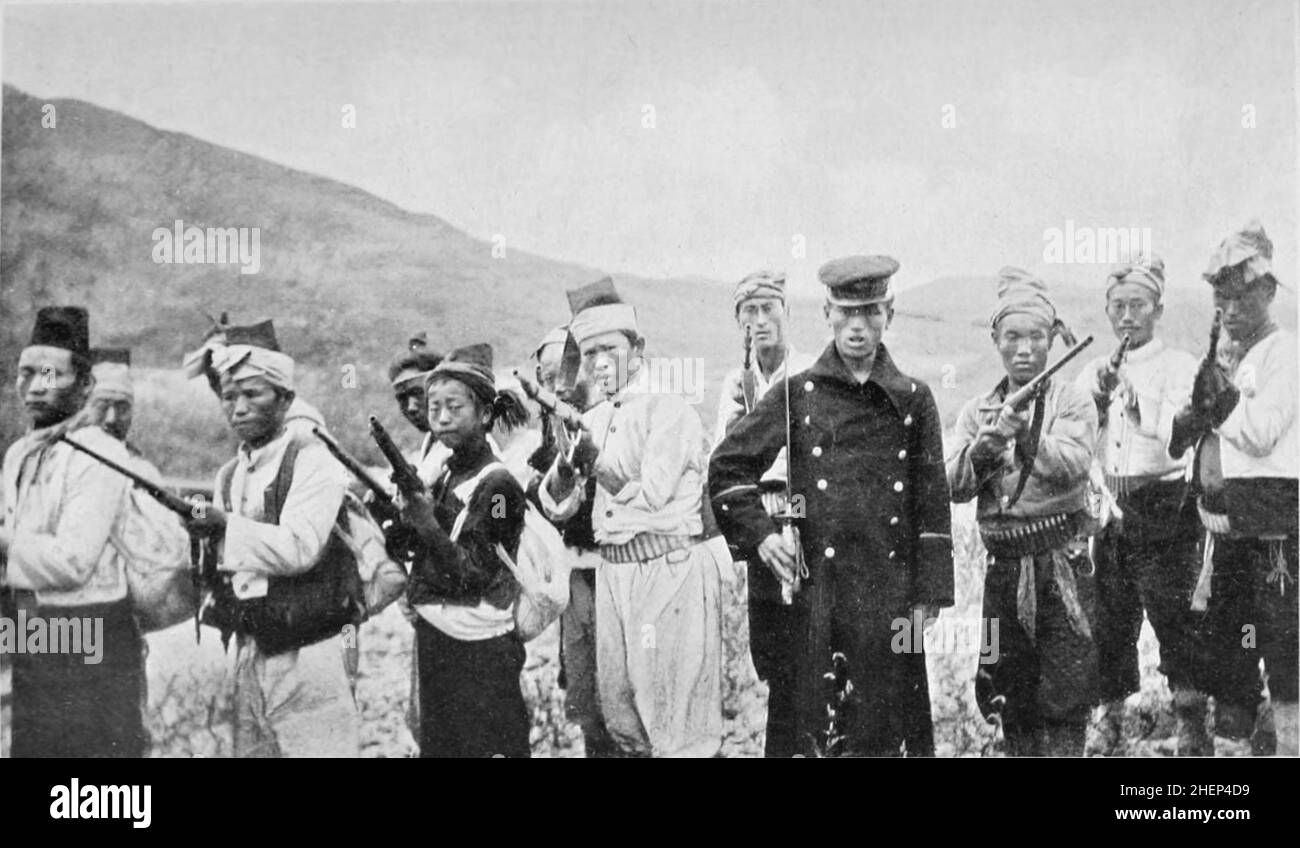
By visiting Chilbaegui-chong, the public ensures that these 700 individuals are not forgotten. In an era of rapid globalization and digitalization, returning to these quiet, forest-shrouded shrines helps ground future generations in the reality of their heritage.
The next scheduled commemorative events for the site typically align with national holidays and historical anniversaries. Visitors are encouraged to check the Geumsan County official website for updated hours of operation and local festival schedules.
Do you believe modern education focuses enough on the role of common citizens in history? Share your thoughts in the comments below or share this article with others planning a historical tour of South Korea.
Related reading