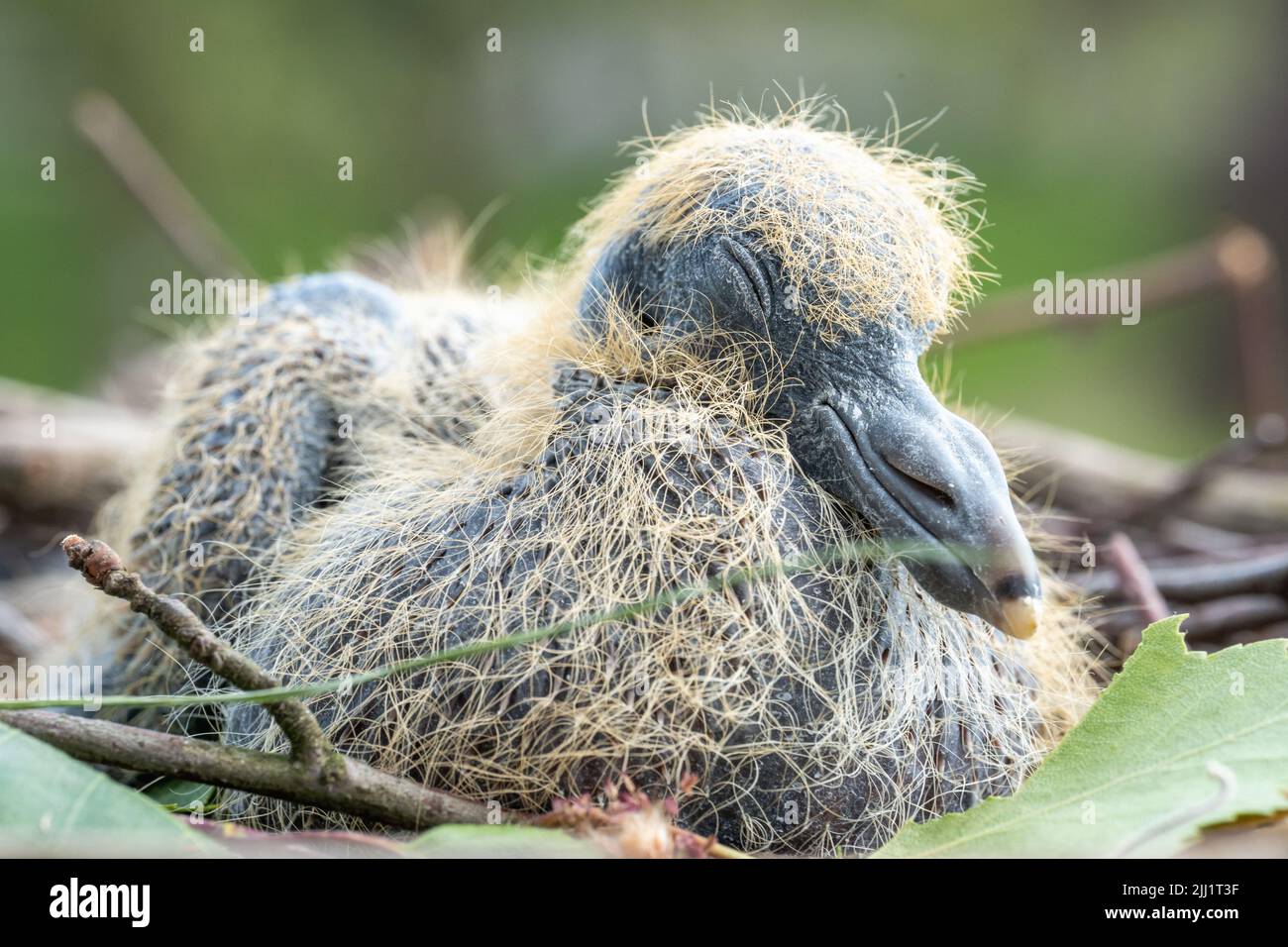
In a remote stretch of the Peruvian Andes, researchers have achieved a critical milestone in avian conservation by tagging an Andean condor chick directly within its nest for the first time. The operation, which required navigating treacherous high-altitude terrain, provides scientists with a rare opportunity to track the development and dispersal of one of the world’s largest flying birds from the very moment it begins its journey.
The Andean condor (Vultur gryphus) has long been a symbol of the mountain peaks of South America, yet its secretive nesting habits have made it notoriously difficult to study. While adult condors are occasionally captured and fitted with telemetry devices, the ability to mark a fledgling before it leaves the nest allows researchers to gather unprecedented data on the precise timing of independence and the initial flight paths taken by juveniles.
This breakthrough is part of a broader effort to stabilize the populations of these scavengers, which face persistent threats from habitat loss and human conflict. By utilizing GPS satellite telemetry, the team hopes to map the “invisible highways” the birds apply to navigate the rugged terrain of the Andes, ultimately informing better land-management policies to protect their corridors.
The Precision of Nest-Site Tagging
Tagging a condor chick in the nest is a delicate operation that differs significantly from the capture of adult birds. Given that condors are highly sensitive to human presence and often nest on inaccessible cliff faces, the team had to employ specific climbing techniques and timing to avoid causing the parents to abandon the site.

The researchers fitted the chick with a lightweight GPS transmitter designed to minimize the impact on the bird’s growth and eventual flight. This technology allows the team to monitor the bird’s movements in near real-time without the need for repeated physical interventions. According to conservation protocols, these devices are typically designed to either detach automatically after a set period or remain as long-term monitors of the bird’s lifespan.
The data gathered from this specific individual will provide a baseline for understanding how young condors explore their environment. Scientists are particularly interested in the “learning phase,” where juveniles follow adults to identify reliable food sources, such as carrion. Understanding these patterns is essential for identifying “hotspots” of activity that require legal protection from mining or agricultural encroachment.
Ecological Importance and the Scavenger’s Role
The Andean condor is not merely a cultural icon but a vital component of the Andean ecosystem. As obligate scavengers, condors perform the essential service of removing decaying organic matter from the landscape, which helps prevent the spread of diseases that could affect both wildlife and livestock.
Their massive wingspan, which can reach up to 3.3 meters (approximately 10.8 feet), allows them to soar for hours using thermal currents, covering vast distances with minimal energy expenditure. This efficiency makes them uniquely capable of patrolling huge territories in search of food. However, this wide range similarly exposes them to a variety of localized threats across different jurisdictions.
The biological investment in a single offspring is immense. Condors are among the slowest-breeding birds on Earth, typically producing only one chick every two years. This low reproductive rate means that the loss of even a single juvenile can have a disproportionate impact on the local population’s viability. The successful tagging and monitoring of this chick represent a victory for a species that cannot afford high mortality rates among its young.
Combatting the Threats to the Andean Condor
Despite their size and strength, Andean condors are highly vulnerable to human-induced mortality. One of the most pressing issues is the use of poisoned carcasses. In some regions, livestock farmers place toxins in dead animals to eliminate predators like pumas or foxes, inadvertently killing the condors that feed on the remains.
the species faces challenges from habitat fragmentation. As human settlements and infrastructure expand into the highlands, the quiet, secluded cliffs required for nesting are becoming rarer. The pressure from tourism and unregulated trekking in nesting areas can also lead to nest abandonment.
Governmental bodies in Peru, including the Servicio Nacional Forestal y de Fauna Silvestre (SERFOR), have worked to implement protection measures, but enforcement in the remote highlands remains a logistical challenge. The use of GPS tracking is seen as a way to provide the “hard evidence” needed to designate specific zones as protected wildlife reserves.
Threat Matrix for Andean Condors
| Threat Type | Direct Impact | Mitigation Strategy |
|---|---|---|
| Chemical Poisoning | Acute mortality via livestock baits | Farmer education and legal penalties |
| Habitat Loss | Reduction in secure nesting sites | Creation of protected corridors |
| Human Disturbance | Nest abandonment/stress | Regulated tourism and restricted zones |
| Low Birth Rate | Slow population recovery | Intensive monitoring of fledglings |
The Future of Condor Conservation in Peru
The tagging of this chick is more than a technical achievement; it is a strategic shift toward proactive conservation. By understanding the exact movements of a juvenile, researchers can identify which areas of the Peruvian Andes act as critical nurseries for the species.
Looking forward, the goal is to expand this nesting-site monitoring to other known colonies. If researchers can identify a network of successful nesting sites, they can advocate for a “Condor Corridor”—a series of protected areas that ensure the birds can move safely between their feeding grounds and breeding cliffs.
International cooperation also plays a role, as the Andean condor migrates across borders, moving between Peru, Chile, Argentina, Bolivia, Colombia, and Ecuador. Data shared from Peruvian tagging projects contributes to a continental understanding of the species’ health, allowing for a synchronized conservation approach across the Andes.
The next critical checkpoint for the research team will be the chick’s first flight. Once the bird leaves the nest, the GPS data will begin to reveal the juvenile’s dispersal distance and the specific environmental cues it uses to navigate the high-altitude landscape. Updates on the bird’s progress are expected as the telemetry data is processed and analyzed over the coming months.
World Today Journal encourages readers to support verified wildlife conservation efforts. Share this story to raise awareness about the precarious state of the Andean condor and the scientific efforts to save it.
Related reading