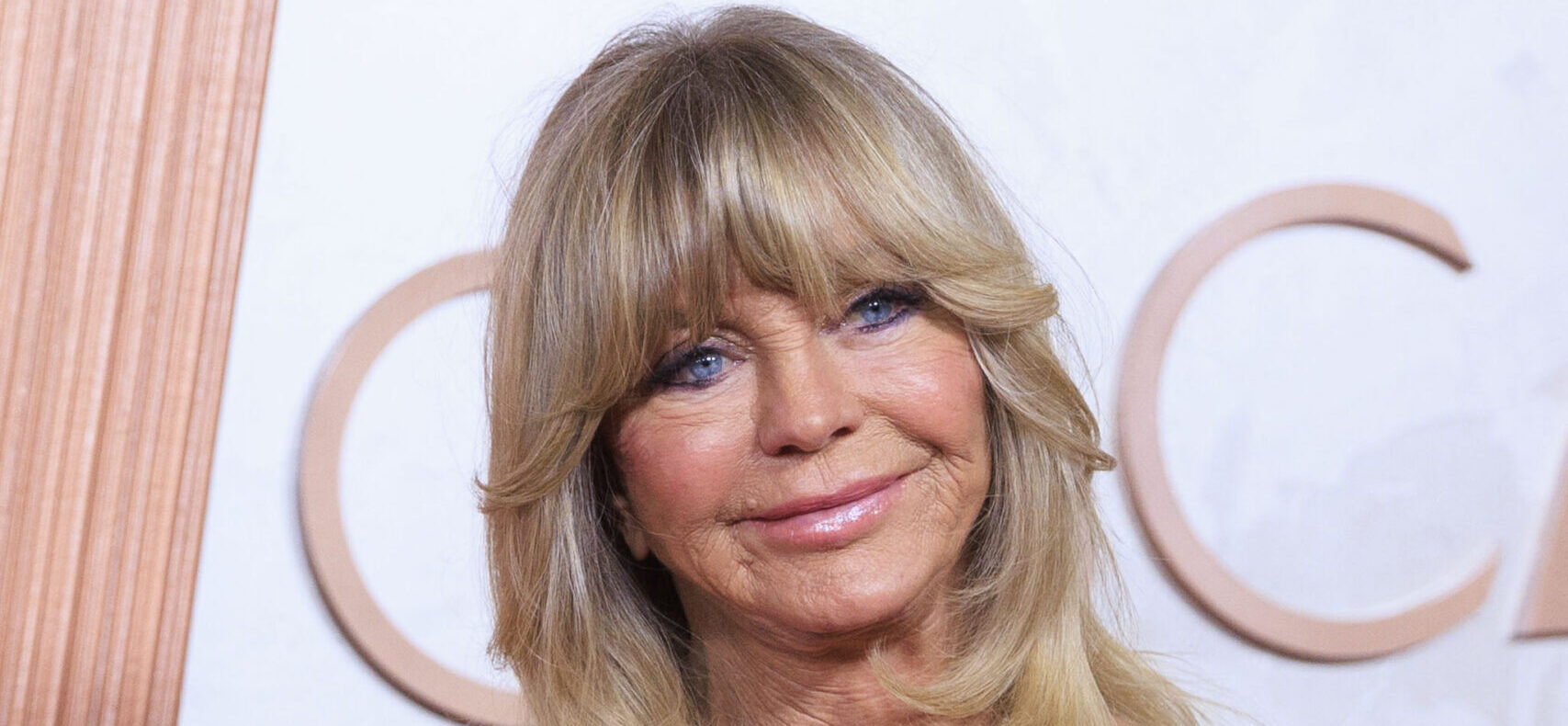
In the glittering world of Hollywood, the line between a playful anecdote and a professional critique can be razor-thin. For decades, Goldie Hawn and Meryl Streep have been viewed as the gold standard of veteran grace and talent. Although, a recent deep dive into their shared history has revealed a surprising rift, leaving Hawn reportedly “stung” by the candid reflections of her longtime friend and former co-star.
The tension stems from a series of Meryl Streep Goldie Hawn comments made during a retrospective look at the 1992 cult classic Death Becomes Her. While the two actresses have long maintained a public image of mutual admiration, Streep’s willingness to air old grievances regarding on-set habits has reportedly turned a nostalgic conversation into a source of professional anxiety for Hawn.
At the heart of the controversy is the distinction between private friendship and public branding. While Streep framed her recollections as fond memories of a chaotic production, sources close to Hawn suggest that the public nature of the critique has created a narrative of unreliability that is difficult to shake in an industry that rarely grants veteran actresses the same grace afforded to their male counterparts.
The Red Convertible and the Set Clock
The friction began with a detailed interview published on April 30 in Vanity Fair, where Streep reflected on her time filming the 1992 comedy-fantasy Death Becomes Her. Streep, known for her rigorous discipline and punctuality, recalled a contrasting experience with Hawn, noting that the actress had a recurring habit of arriving late to the set.
Streep’s recollection was specific, painting a picture of Hawn’s lifestyle at the time. “She had a red convertible, I remember. And she’d drive herself to set, so that was probably the problem,” Streep recalled, according to reports from E! News. While the comment was delivered with a sense of levity, it highlighted a fundamental clash in professional styles between two of the most respected women in cinema.
For Streep, the tardiness was a point of frustration during the production, though she was quick to balance the critique with praise, describing Hawn as “adorable” and asserting that she “loved her.” She further characterized Hawn as one of her “buddies,” suggesting that the two have since laughed about the experience and the film’s exaggerated depiction of Beverly Hills culture.
ZUMAPRESS.com / MEGA
Publicity vs. Privacy: Why the Comments Struck a Nerve
Despite the affectionate tone of Streep’s interview, the reaction from Hawn’s inner circle has been far less jovial. Insiders claim that Hawn is less bothered by the truth of the comments than by the venue in which they were shared. In the high-stakes environment of celebrity branding, a public admission of being “difficult” or “unreliable” can carry weight long after the production wraps.
“The pain is not what Meryl said — It’s that she said it in public,” a source close to Hawn revealed, as first noted in Rob Shuter’s “Naughty But Nice Substack.” The sentiment suggests a feeling of betrayal, with the source arguing that Streep, as a close friend, should have kept those specific professional grievances between them rather than sharing them with a global audience.
The insider further emphasized that the choice to speak was deliberate: “She did not have to say it. She chose to. And Goldie heard the message loud and clear.” This perceived breach of confidence has reportedly left Hawn feeling exposed, transforming a lighthearted reminiscence into a public critique of her work ethic.
Image Press Agency / MEGA
The High Stakes of Hollywood Professionalism for Veteran Actresses
Beyond the personal hurt, there is a deeper, more systemic concern regarding how these comments affect Hawn’s current career trajectory. Despite her legendary status and the possession of both an Academy Award and a Golden Globe, Hawn has reportedly faced challenges in securing top-tier, meaningful roles in recent years.
Industry insiders point to the pervasive nature of Hollywood ageism, noting that women in their senior years are often given fewer scripts and less professional leeway than their male peers. In this climate, being publicly branded as “unreliable” by an actress of Meryl Streep’s stature—someone viewed as the pinnacle of professional excellence—could be damaging.
“Goldie has spent years trying to quietly find her way back into meaningful roles,” an insider shared. They argued that being publicly labeled as difficult is the last thing an actress of her age needs when fighting for limited opportunities. The source pointed out a stark double standard, noting that Streep “loses nothing by saying it” because her reputation for excellence is so ironclad that she continues to receive the best scripts regardless of her opinions on others.
River / MEGA
A Fond Remembrance of Bruce Willis
Interestingly, the same interview that sparked tension with Hawn likewise provided a touching tribute to another Death Becomes Her co-star. Streep spoke warmly of Bruce Willis, who played the love interest, Ernest Menville, and who has since retired from acting following a diagnosis of frontotemporal dementia.
While Willis had a reputation during the early 90s for being “a bad boy” on certain sets, Streep’s experience was entirely positive. “Bruce was divine,” she stated, describing him as a “gent” who was “game and willing to be ridiculous.” The contrast in how Streep discussed Willis versus Hawn—praising the former’s professionalism despite his reputation, while critiquing the latter’s professionalism despite their friendship—has only added to the perceived sting for Hawn.
MEGA
As the dust settles on these revelations, the situation serves as a reminder of the complex dynamics of celebrity friendships and the enduring impact of professional reputations in the entertainment industry. While Streep maintains that the issues are long buried and the two remain “buddies,” the fallout suggests that in Hollywood, some “truth bombs” are harder to recover from than others.
There has been no official public statement from Goldie Hawn regarding the comments. Industry observers will be watching to see if this public friction impacts any future collaborations or if the two icons can truly put the “red convertible” era behind them.
What do you think about the balance between honesty and loyalty in celebrity friendships? Share your thoughts in the comments below.
Related reading