Users of one of the world’s most popular Linux distributions are currently grappling with significant accessibility issues as Ubuntu’s parent company, Canonical, faces a massive, sustained distributed denial-of-service (DDoS) attack. The assault has intermittently crippled access to the main Ubuntu.com domain and other critical web infrastructure, leaving thousands of developers and system administrators unable to reach official documentation or update their systems.
The timing of the outage is particularly precarious. The attack coincides with the disclosure of a high-severity security vulnerability known as “Copyfail,” which could allow local users to escalate their privileges to root level. Because the DDoS attack has targeted the exceptionally channels Canonical uses to communicate mitigations and patches, the community has been forced to rely on mirrored sites and the Internet Archive to access vital security guidance.
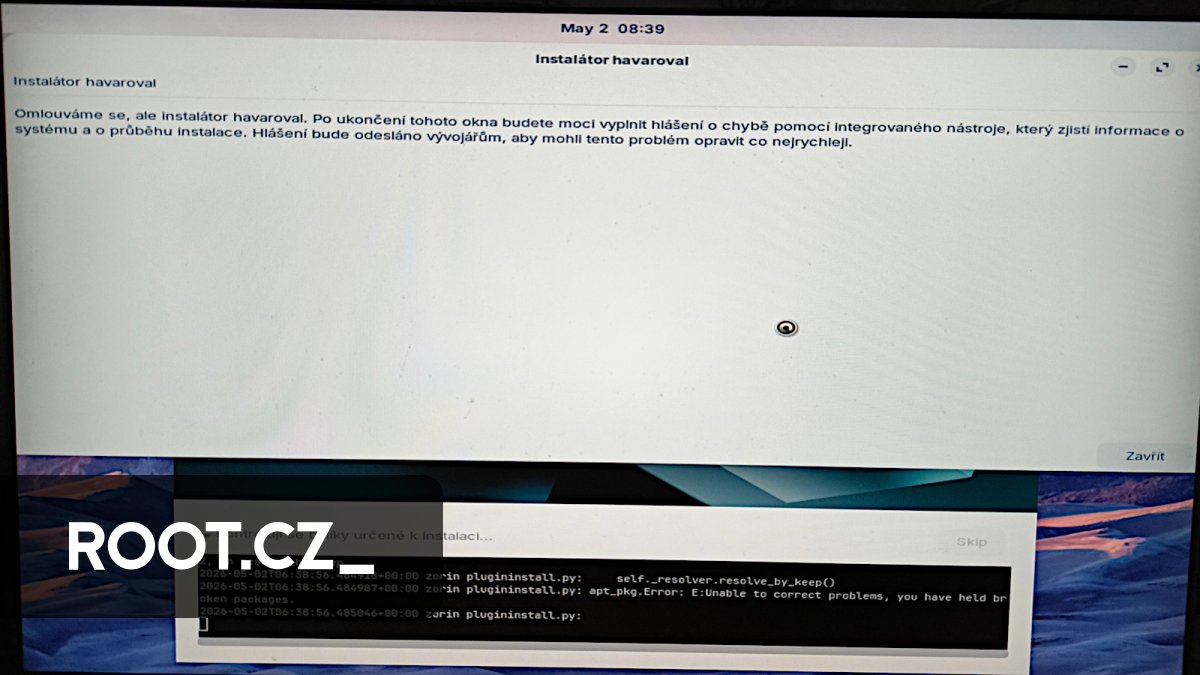
While the primary target is Canonical’s infrastructure, the ripple effects are being felt across the broader Linux ecosystem. Downstream distributions that rely on Ubuntu’s repositories—most notably Zorin OS—have also reported disruptions, highlighting a systemic vulnerability in how many open-source projects depend on a centralized infrastructure for updates and package management.
A pro-Iranian hacking collective known as the 313 Team, also identifying as the Islamic Cyber Resistance in Iraq, has claimed responsibility for the onslaught. The group has not only sought to disrupt services but has openly issued extortion demands, offering a “ceasefire” in exchange for unspecified concessions, marking a shift from purely political disruption to financially or strategically motivated cyber-extortion.
The Mechanics of the Assault: Beamed and Cross-Border Traffic
A DDoS attack occurs when a network is overwhelmed by a flood of internet traffic, effectively shutting down the target server or website. In this instance, Canonical has confirmed that its web infrastructure is under a “sustained, cross-border attack,” suggesting a highly coordinated effort using botnets distributed across multiple global jurisdictions to bypass simple geographic IP blocking.
According to reports from PCMag, the 313 Team is allegedly utilizing a relatively new “DDoS-for-hire” service called Beamed. These services, often referred to as “booters” or “stressers,” allow attackers to launch massive volumes of traffic without needing to build their own botnet from scratch. By leveraging Beamed, the attackers have been able to target as many as 14 different Ubuntu-related domains simultaneously.
For the average user, the impact manifests as “Connection Timed Out” errors or extremely unhurried page load times when visiting Ubuntu.com. For enterprise users, the danger is more acute; automated scripts and deployment pipelines that pull images or packages from Canonical’s servers may fail, potentially stalling critical software updates across cloud environments.
The ‘Copyfail’ Complication: A Security Crisis
The disruption of Ubuntu’s web services is more than a mere inconvenience due to the simultaneous emergence of the “Copyfail” vulnerability. Copyfail is a high-severity flaw affecting various Linux distributions published since 2017. The vulnerability centers on how certain systems handle string comparisons, which can be exploited by a local user to gain root privileges—the highest level of administrative access on a Linux system.

While the risk is lower for individual PC users, We see critical for cloud providers. In multi-tenant cloud environments, where multiple users share a single Linux server, a root privilege escalation could theoretically allow one user to break out of their isolated environment and access the data or systems of other users on the same physical hardware.
The intersection of the DDoS attack and the Copyfail disclosure created a “perfect storm.” When Canonical attempted to publish the official blog post detailing the mitigations and patches for Copyfail, the DDoS attack rendered the blog inaccessible. This forced the security community to scramble for alternative ways to distribute the fix, illustrating how a DDoS attack can be used as a “smoke screen” or a force multiplier to exacerbate the impact of a software vulnerability.
Downstream Impact: How Zorin OS and Others Are Affected
The Ubuntu ecosystem is vast, with many other operating systems built upon its foundation. Zorin OS, a popular distribution designed to be user-friendly for those transitioning from Windows or macOS, is one such “downstream” project. Because Zorin OS utilizes Ubuntu’s software repositories to deliver updates and new packages, any outage at Canonical directly impacts Zorin users.
When a user on Zorin OS attempts to run a system update, their computer contacts the Ubuntu servers to check for the latest versions of software. With those servers under a DDoS attack, Zorin users have reported failures in updating their systems. This creates a cascading security risk: if a critical patch (like the one for Copyfail) is released, but the servers delivering that patch are offline, thousands of users across multiple different Linux distributions remain vulnerable despite a fix being available.
This dependency highlights a recurring debate in the open-source community regarding centralization. While relying on Canonical’s robust infrastructure allows smaller projects like Zorin OS to flourish without managing their own massive server farms, it creates a single point of failure. A successful attack on one entity can effectively “blind” or “freeze” an entire family of operating systems.
Who is the 313 Team?
The 313 Team, or the Islamic Cyber Resistance in Iraq, is part of a growing trend of “hacktivist” groups that align themselves with geopolitical interests, specifically those related to Iran. Unlike traditional state-sponsored APTs (Advanced Persistent Threats) that focus on stealthy espionage and data theft, the 313 Team employs “loud” tactics designed for maximum visibility and psychological impact.

Their choice of targets—including eBay, Bluesky, and now Canonical—suggests a strategy of targeting high-traffic Western platforms to demonstrate capability and create chaos. The use of Telegram as a primary communication channel for claiming responsibility and issuing extortion demands is a hallmark of modern cyber-insurgency, allowing them to bypass traditional media and speak directly to their targets and the public.
The extortion element—demanding a “ceasefire” in exchange for stopping the attacks—is a tactical evolution. It transforms a political statement into a negotiation, attempting to force the target organization into a position of submission. However, most cybersecurity experts advise against negotiating with such groups, as compliance often encourages further attacks and provides the attackers with resources to expand their operations.
Practical Guidance for Affected Users
For those currently using Ubuntu or Zorin OS and experiencing connectivity issues, the following steps are recommended to maintain system security and stability:
- Avoid Repeated Refreshing: Continuously refreshing a timed-out page can inadvertently contribute to the traffic load on the servers, making it harder for Canonical to mitigate the attack.
- Use Official Mirrors: If you cannot reach the primary Ubuntu servers, check for official regional mirrors. Many universities and ISPs host mirrors of the Ubuntu repositories that may remain unaffected by the DDoS.
- Monitor the Internet Archive: During the height of the outage, the Internet Archive (Wayback Machine) became a primary source for accessing the Copyfail mitigation guides. If the official blog is down, check for recently archived snapshots.
- Verify Package Integrity: If you download patches from non-primary sources, always verify the GPG signatures of the packages to ensure they have not been tampered with.
Canonical has stated it is working to address the “sustained, cross-border attack” and will provide updates through its official channels as they become available. While the infrastructure is slowly stabilizing, the volatility of DDoS attacks means that outages may recur as the attackers shift their tactics or increase their traffic volume.
The next critical checkpoint for the community will be the full restoration of the Ubuntu blog and update servers, allowing for the widespread deployment of the Copyfail patch. Users are encouraged to monitor the official Ubuntu website and verified social media channels for the “all-clear” signal.
Do you have a Linux-based system that has been affected by these outages? Share your experience in the comments below and let us know how you’re managing your updates during this disruption.