
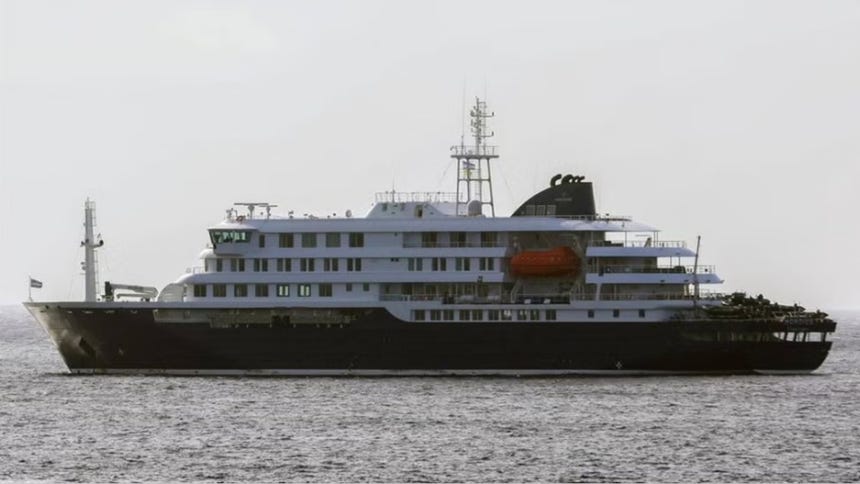
Hantavirus Outbreak on Cruise Ship Confirmed as Rare Human-to-Human Transmission — 3 Dead
The World Health Organization (WHO) has confirmed a cluster of severe respiratory illness cases aboard a cruise ship, including three deaths, linked to the Andes virus—a rare strain of hantavirus capable of limited human-to-human transmission. As of May 4, 2026, seven cases have been identified among 147 passengers and crew, with symptoms ranging from mild illness to critical pneumonia and acute respiratory distress syndrome (ARDS). The outbreak, first reported on May 2, has triggered a coordinated international response, including case isolation, medical evacuations, and laboratory investigations.
Hantavirus infections are typically transmitted through contact with rodent urine, feces, or saliva, but the Andes virus is one of only two known hantavirus strains capable of human-to-human transmission. While such transmission remains uncommon, the WHO has classified the global risk from this event as low, emphasizing that the virus does not spread easily between people. The organization continues to monitor the epidemiological situation closely.
The cruise ship, a Dutch-flagged vessel, was initially flagged by the United Kingdom’s International Health Regulations (IHR) Focal Point after passengers began exhibiting severe respiratory symptoms between April 6 and April 28, 2026. Laboratory confirmation of hantavirus infection was first obtained in South Africa on May 2, with additional deaths and critical cases reported in subsequent days.
Key Details of the Outbreak
As of the latest WHO update, the outbreak includes:
- Two laboratory-confirmed cases of Andes hantavirus
- Five suspected cases under investigation
- Three deaths (two confirmed, one additional reported on May 3)
- One critically ill patient in intensive care
- Three individuals with mild symptoms
The WHO’s Disease Outbreak News (DON) report specifies that the first confirmed case—a critically ill patient—was identified through laboratory testing in South Africa. Epidemiological investigations are ongoing to determine whether the initial infection occurred before boarding the ship or during travel. The WHO has stated that the first contagion “could not have occurred aboard the vessel or during a port stop,” suggesting potential pre-existing exposure among passengers.
Why This Strain Is Unique
The Andes virus is one of only two hantavirus strains known to transmit between humans through close contact with respiratory secretions. While rare, such transmission has been documented in previous outbreaks, including in South America where the virus is endemic. The WHO’s assessment highlights that the risk of widespread human-to-human spread remains low, but the outbreak underscores the need for vigilance in high-risk settings like cruise ships, where close quarters can accelerate transmission.

Symptoms of hantavirus infection typically begin with fever, gastrointestinal distress, and rapid progression to pneumonia. In severe cases, patients may develop ARDS and shock, as seen in this cluster. The incubation period ranges from one to six weeks, complicating efforts to trace the source of infection.
International Response and Stakeholders
The outbreak has mobilized multiple stakeholders, including:
- World Health Organization (WHO): Leading the global risk assessment and coordinating with national health authorities.
- United Kingdom’s IHR Focal Point: Initially reported the cluster to the WHO on May 2, 2026.
- South African laboratories: Confirmed the first hantavirus case through diagnostic testing.
- Cruise ship operators: Implementing enhanced sanitation and passenger monitoring protocols.
- National health agencies: Conducting contact tracing and isolating suspected cases.
The WHO’s risk assessment for the global population remains low, but regional health authorities are advising heightened surveillance in areas where the Andes virus is known to circulate, particularly in Argentina, and Chile. Travelers returning from affected regions are being advised to monitor for symptoms and seek medical attention promptly.
Key Takeaways
- The Andes hantavirus strain is one of only two known to transmit between humans, though such transmission is rare.
- Seven cases (three deaths) have been confirmed aboard a Dutch-flagged cruise ship carrying 147 passengers and crew.
- Symptoms include fever, pneumonia, ARDS, and shock, with an incubation period of 1–6 weeks.
- The WHO assesses the global risk as low but is monitoring the situation closely.
- Initial investigations suggest the first infection may have occurred before boarding the ship.
- Close contact with infected individuals or respiratory secretions may facilitate human-to-human transmission.
Frequently Asked Questions
1. What is the Andes virus, and how is it different from other hantaviruses?
The Andes virus is a rare strain of hantavirus primarily found in South America. Unlike most hantaviruses, which spread through rodent exposure, the Andes virus can transmit between humans through close contact with respiratory secretions. This makes it particularly concerning in enclosed spaces like cruise ships.
2. How many people have been affected, and what are the symptoms?
As of May 4, 2026, seven cases have been identified, including three deaths. Symptoms range from mild fever and gastrointestinal distress to severe pneumonia, acute respiratory distress syndrome (ARDS), and shock. The incubation period is typically 1–6 weeks.

3. Is the risk to the global population high?
No. The WHO currently assesses the global risk as low, emphasizing that the virus does not spread easily between people. Most cases occur through rodent exposure, and human-to-human transmission remains uncommon.
4. What is being done to contain the outbreak?
Measures include case isolation, medical evacuations, enhanced laboratory testing, and coordinated investigations by national and international health authorities. Cruise ship operators are too implementing strict sanitation protocols.
5. Should travelers be concerned?
Travelers should monitor for symptoms (fever, respiratory distress) if they have been in contact with suspected cases or visited regions where the Andes virus circulates. Prompt medical attention is advised if symptoms develop.
What Happens Next?
The WHO will continue to update its risk assessment as new information emerges. National health agencies are expected to release additional details on contact tracing and laboratory findings in the coming days. Cruise ship operators are under pressure to enhance biosecurity measures, while travelers in high-risk regions may face heightened screening.
For the latest official updates, refer to the WHO Disease Outbreak News and your national health authority’s advisory.
This developing story raises critical questions about global health preparedness and the risks of infectious disease transmission in confined spaces. Share your thoughts in the comments below or join the discussion on our social media channels. For medical advice or travel updates, consult your local health department.