
Walking through the charred remnants of a forest can feel like stepping into a wasteland. The blackened trunks stand as skeletal reminders of a sudden, violent event, and the silence that follows a wildfire is often heavy. Yet, for those who return to the Veluwe region near Ede, Netherlands, a year after the flames subsided, the narrative is shifting from one of destruction to one of resilience.
The central question facing ecologists and land managers is whether a devastated landscape can achieve wildfire recovery on its own or if human intervention is required to prevent permanent biodiversity loss. In the wake of the Ede fire, the landscape has become a living laboratory for observing natural regeneration—the process by which an ecosystem repairs itself without artificial assistance.
For the residents and visitors of the Veluwe, the visual transition is striking. While the deep scars of the fire remain visible in the soil and the standing deadwood, a vibrant carpet of green is beginning to reclaim the floor. This process, known as secondary succession, demonstrates that nature often possesses a built-in blueprint for recovery, provided the soil remains viable and the surrounding environment remains stable.
The Mechanics of Natural Regeneration
When a wildfire sweeps through a forest, it does more than destroy; it resets the ecological clock. The heat often triggers the release of seeds from “serotinous” cones or dormant seed banks buried deep in the soil. In the Ede region, this has led to a rapid emergence of pioneer species—hardy plants and grasses that are the first to colonize open, sunlit areas where the canopy has been stripped away.
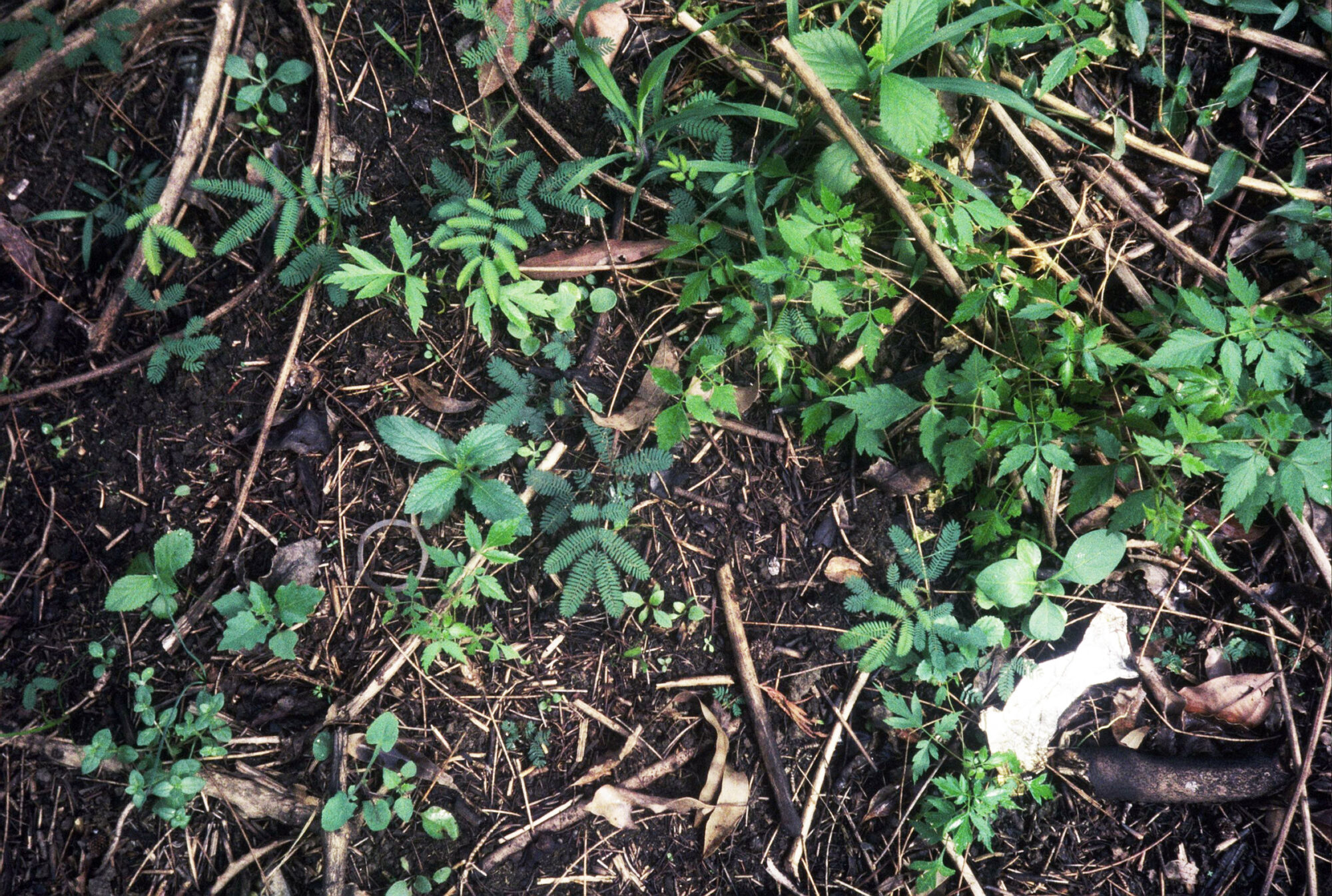
This initial phase of recovery is critical for soil stability. Without immediate vegetation, the nutrient-rich ash and topsoil are vulnerable to erosion from wind and rain. The rapid growth of grasses and herbaceous plants acts as a biological anchor, securing the earth and beginning the process of nutrient cycling. According to ecological research on forest resilience, the “ash bed effect” can actually provide a temporary surge of nutrients, such as phosphorus and potassium, which fuels this early explosion of growth via Nature’s forest ecology archives.
However, the speed of this recovery varies significantly depending on the intensity of the fire. In areas where the fire was “cool,” many root systems survived, allowing plants to resprout quickly. In “hot spots” where the organic layer of the soil was completely incinerated, recovery is slower, as the area must rely entirely on seeds blowing in from adjacent, unburned patches of forest.
Wildlife Displacement and the Return of Fauna
The impact on wildlife is rarely a simple story of loss. While the immediate fire is lethal to slow-moving species, the long-term recovery often creates new niches. One year after the Ede fire, the landscape offers a different set of resources than the dense forest it once was. The open vistas and abundance of low-lying shrubs provide ideal foraging grounds for certain bird species and insects that struggle in closed-canopy environments.
The primary challenge for wildlife is not the lack of greenery, but the loss of structural complexity. Large mammals and nesting birds rely on the vertical layers of a forest—the understory, the mid-canopy, and the high canopy—for protection and breeding. Until the trees regain their height, these species may remain displaced or be forced to compete for limited space in neighboring unburned territories.
Interestingly, deadwood—the standing blackened trees—plays a vital role in this phase. These “snags” provide essential nesting sites for woodpeckers and a home for various fungi and beetles, which in turn attract insectivorous birds. This creates a temporary but high-density hub of biodiversity that would not exist in a healthy, undisturbed forest, highlighting how disturbance can occasionally trigger a localized spike in species variety.
The Debate: Natural Recovery vs. Active Restoration
The observation of the Ede site has reignited a professional debate among environmentalists: should we leave nature alone, or should we step in? Active restoration typically involves removing invasive species, planting native saplings, and manually managing water levels to accelerate the return of the original forest composition.
Proponents of natural recovery argue that “assisted” forests often lack the genetic diversity and structural irregularity of naturally regenerated ones. They suggest that by intervening, humans may inadvertently select for a narrow range of species, making the forest more susceptible to future pests or climate stressors. Natural regeneration ensures that only the species best adapted to the current, altered conditions survive and thrive.
critics of the “hands-off” approach point to the risk of invasive species. In many parts of Europe, opportunistic non-native plants can quickly overwhelm a burned area, choking out native seedlings and permanently altering the ecosystem’s trajectory. In such cases, targeted intervention—such as the removal of invasive shrubs—is seen as a necessary “nudge” to keep the recovery on a healthy path.
Comparative Recovery Approaches
| Feature | Natural Regeneration | Active Restoration |
|---|---|---|
| Biodiversity | High genetic adaptation to site | Controlled species selection |
| Cost | Low (monitoring only) | High (labor and materials) |
| Speed | Slower, variable pace | Accelerated timeline |
| Risk | Potential for invasive takeover | Risk of “monoculture” feel |
Long-Term Outlook for the Veluwe
One year is a blink of an eye in ecological terms. While the return of green shoots in Ede is a positive sign, the true test of wildfire recovery on its own will take decades. The transition from a shrub-dominated landscape back to a mature forest is a slow process of competition and succession. The “pioneer” species currently dominating the site will eventually be shaded out by slower-growing, long-lived hardwoods.

Climate change adds a layer of complexity to this recovery. With increasing temperatures and shifting rainfall patterns in Western Europe, the forest that returns may not look like the forest that was lost. Ecologists are now considering “migration-assisted” recovery, where species from slightly warmer southern regions are introduced to ensure the forest is resilient to the climate of 2050 and beyond.
For now, the Ede site serves as a powerful reminder of nature’s tenacity. The blackened pillars of the past are slowly being enveloped by the greenery of the future, proving that while fire is a force of destruction, it is also a catalyst for renewal.
The next official environmental assessment of the Veluwe’s recovery zones is expected in the coming year, which will provide updated data on soil nutrient levels and species recolonization rates. This data will likely determine whether the local authorities maintain their current passive management strategy or pivot toward more active restoration efforts.
Do you believe nature should be left to heal itself, or is human intervention necessary to protect biodiversity in a changing climate? Share your thoughts in the comments below.
Related reading