
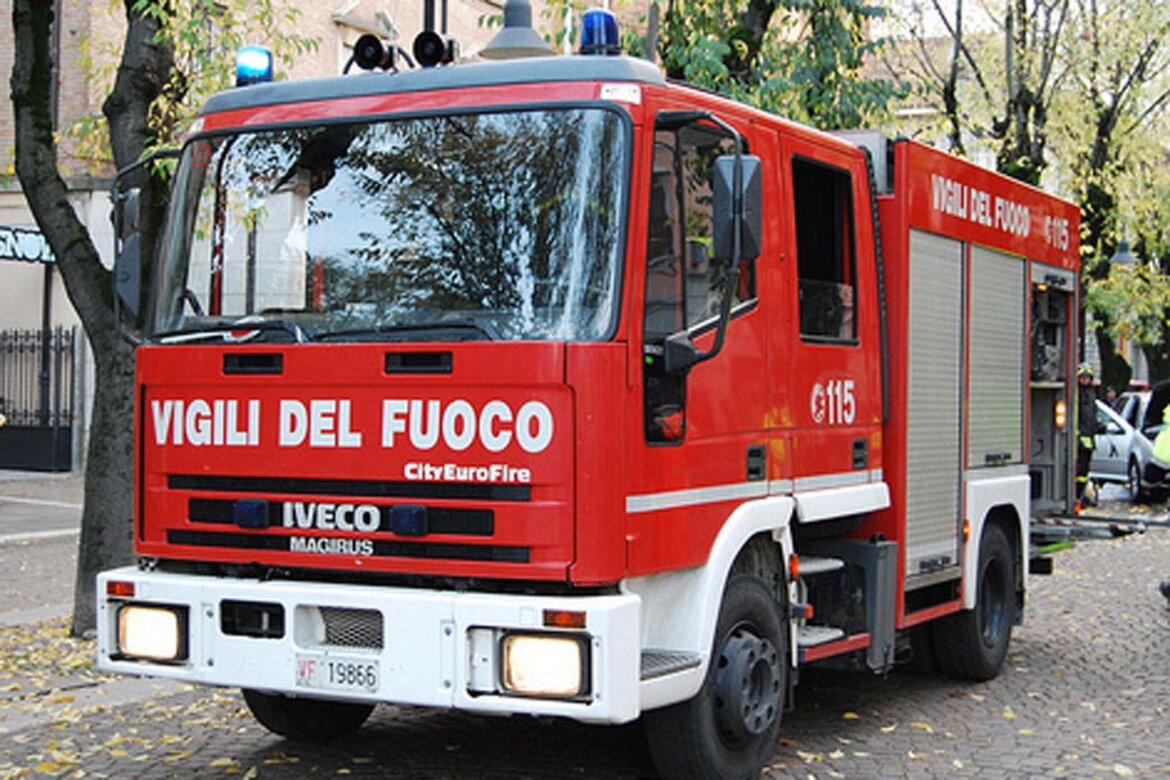
For the men and women of the Vigili del Fuoco—Italy’s National Fire Corps—the mission has always been clear: protect lives, property, and the environment under the most grueling conditions. However, a deepening crisis within their own barracks has shifted the battleground from the front lines of emergency response to the basic necessities of human survival. In a startling development, firefighters have reported a critical lack of potable drinking water and deteriorating hygiene conditions, leading to a formal “rupture” in negotiations between labor unions and administration.
The dispute, which has intensified in recent weeks, highlights a jarring paradox. The very professionals tasked with managing high-heat environments and life-threatening disasters are reportedly struggling to access clean water and basic sanitation within their own operational bases. This represents not merely a labor grievance over pay or hours; We see a fundamental occupational health crisis that threatens the operational readiness of one of Europe’s most vital emergency services.
As a physician with a background in internal medicine and public health, I find these reports deeply concerning. From a clinical perspective, the absence of potable water and the failure of climate control systems in a high-stress workplace are not just “inconveniences”—they are physiological hazards. For a first responder, dehydration and heat stress can lead to cognitive impairment, reduced motor coordination, and a significantly higher risk of heatstroke, all of which can be fatal when operating in a burning building or during a complex rescue operation.
The current tension has reached a breaking point, with union representatives declaring that the dialogue with the Ministry of the Interior has collapsed. While some funding for infrastructure has been promised, the gap between administrative “allocations” and the reality on the ground remains wide, leaving firefighters to fend for themselves in environments that fail to meet basic health and safety standards.
The Water Crisis: A Threat to Operational Readiness
At the heart of the current “rupture” is the reported lack of drinking water in several stations. In many professional environments, the availability of potable water is taken for granted, but for the Vigili del Fuoco, the lack of reliable access has become a focal point of their protest. Firefighters have expressed frustration over having to rely on personal supplies or bottled water to stay hydrated during shifts that are physically demanding and often conducted in extreme heat.
The physiological demand on a firefighter is immense. When wearing full personal protective equipment (PPE), the body’s ability to thermoregulate is severely compromised. Sweat cannot evaporate efficiently, leading to a rapid rise in core body temperature. In these conditions, immediate and constant access to potable water is the primary defense against heat exhaustion. When the infrastructure fails to provide this, the risk of acute kidney injury and cardiovascular strain increases significantly.
This lack of water is not an isolated incident but part of a broader pattern of infrastructure neglect. The dispute has escalated because these basic needs are seen as non-negotiable. The “rupture” mentioned by union leaders signifies that the firefighters no longer believe that verbal assurances from the administration will translate into flowing taps and clean drinking fountains.
Hygiene and the Infrastructure Gap
Beyond the water crisis, the issue of personal hygiene has emerged as a critical point of contention. Reports from within the corps indicate that sanitation facilities in some barracks are in a state of disrepair, making it demanding for personnel to maintain the basic hygiene required after exposure to hazardous materials, smoke, and biological contaminants during their duties.
In the medical community, we refer to this as the WASH framework—Water, Sanitation, and Hygiene. These three elements are the pillars of public health. For firefighters, hygiene is not just about comfort; it is a matter of decontamination. Firefighters are routinely exposed to carcinogens and toxic particulates. The ability to shower and clean themselves immediately after a call is a primary health intervention to reduce the long-term risk of occupational cancers and skin infections.
Adding to the volatility of the situation is the failure of climate control systems. While the administration has confirmed that funding (stanziamenti) for air conditioning systems has been allocated, the firefighters report that these systems are either non-functional or entirely absent in critical areas. In the sweltering Italian summers, a barracks without cooling becomes a heat trap, preventing the body from recovering after a high-intensity call. This lack of “thermal recovery” leads to cumulative fatigue, which degrades reaction times and decision-making capabilities during emergencies.
The Labor Dispute: Why the “Rupture” Matters
The term “la rottura” (the rupture) is used intentionally by the unions to signal that the period of patient negotiation has ended. The dispute has intensified because the firefighters feel there is a disconnect between the prestige of the National Fire Corps and the actual living and working conditions provided to its members. The Vigili del Fuoco operate under the jurisdiction of the Ministry of the Interior, meaning the responsibility for funding and infrastructure lies with the central government.
The core of the frustration lies in the “confirmed funding” that never seems to materialize as tangible improvements. In public administration, there is often a gap between the stanziamento (the appropriation of funds) and the actual execution of the work. For a firefighter standing in a hot room without a drink of water, a budget line item in a government ledger is meaningless. This gap has eroded trust, leading to the current escalation in the labor dispute.
The implications of this dispute extend beyond the barracks. When the morale of emergency responders plummets due to a lack of basic dignity in their workplace, it can impact the efficiency of the entire public safety network. The “intensification” of the dispute suggests that further industrial actions—such as strikes or formal protests—may be imminent if the administration does not move from promising funds to implementing solutions.
Medical Analysis: The Risks of First Responder Neglect
To understand why this dispute is so critical, we must look at the intersection of occupational health and emergency response. The combination of lack of water, poor hygiene, and high heat creates a “perfect storm” for health failures:
- Cognitive Decline: Even mild dehydration (1-2% loss of body mass) can impair concentration, short-term memory, and vigilance. In a rescue scenario, a split-second lapse in judgment can be fatal for both the responder and the victim.
- Dermatological and Systemic Infections: Poor sanitation facilities increase the risk of skin infections, particularly when firefighters are already dealing with skin abrasions or chemical burns sustained in the line of duty.
- Heat Stress Accumulation: Without air conditioning, the body cannot shed the heat load accumulated during a fire. This leads to “heat exhaustion,” where the heart must work significantly harder to pump blood to the skin for cooling, increasing the risk of cardiac events in older or predisposed personnel.
What Happens Next?
The resolution of this crisis will require more than just a confirmation of funds. It will require a transparent timeline for the installation of water filtration systems, the repair of sanitation facilities, and the activation of climate control systems. The firefighters are not asking for luxuries; they are asking for the baseline requirements of human health and occupational safety.
From a policy perspective, this situation serves as a warning. Investing in the welfare of first responders is a direct investment in public safety. When the people who save the city are unable to find a glass of clean water in their own station, the system is failing at its most basic level.
The next critical checkpoint will be the upcoming rounds of union meetings with the Ministry of the Interior. Whether these talks can be salvaged—or if the “rupture” leads to more disruptive actions—depends entirely on the government’s willingness to prioritize the physical health of its protectors over administrative bureaucracy.
Do you believe that first responder welfare is overlooked in your region? We invite our readers to share their perspectives and experiences in the comments below. Please share this article to bring attention to the critical importance of WASH standards in emergency services.
Related reading