
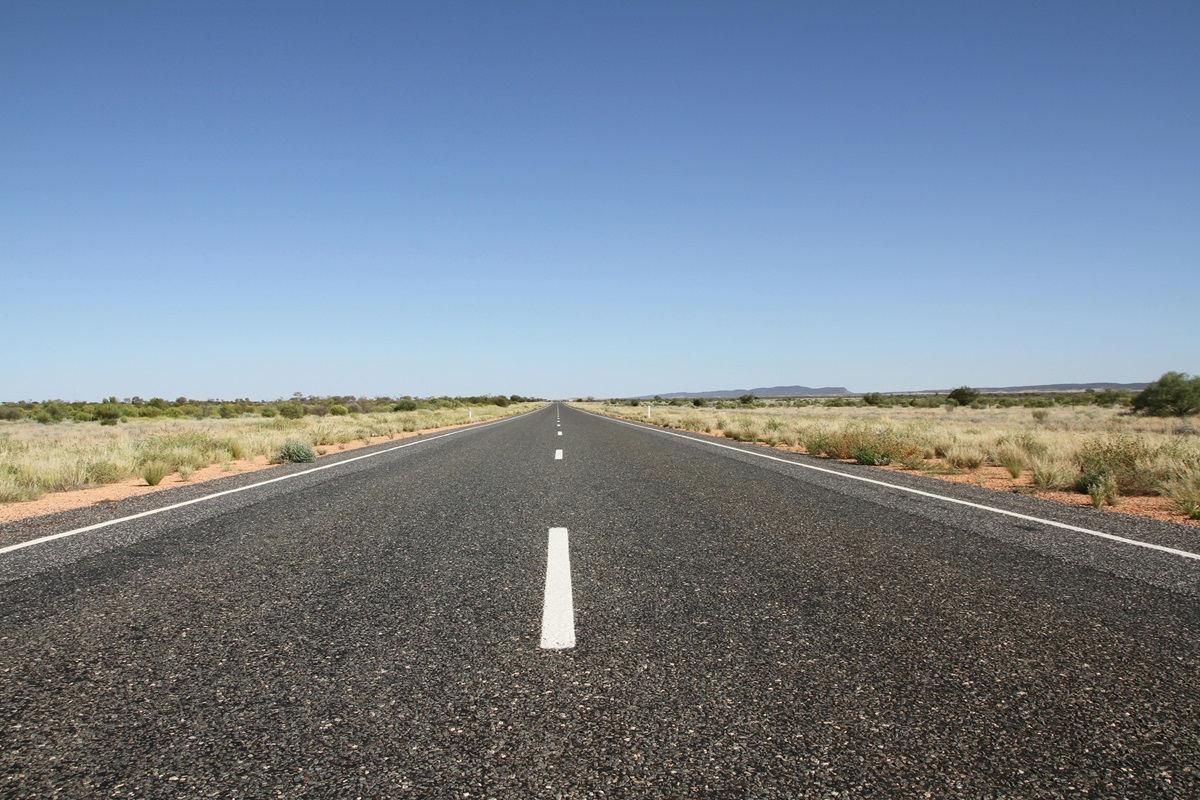
On a dark, wet night, the thin strips of white and yellow paint stretching across the asphalt are more than mere guides for a driver’s eyes. They are the frontline of road safety, serving as critical markers that prevent collisions, maintain the efficiency of the transport network, and provide the essential data required by the next generation of vehicle technology. While these markings appear simple, they are actually the result of decades of rigorous materials science, independent laboratory testing, and extensive field research.
The road marking science in Australia is a complex discipline designed to ensure that visibility remains constant regardless of the environment. From the blinding glare of coastal roads to the dense fog of mountain valleys, the durability of these lines can be the difference between a safe journey and a catastrophic accident. This intersection of chemistry and infrastructure is currently being refined by experts at the CSIRO (Commonwealth Scientific and Industrial Research Organisation), where researchers are analyzing how different climates degrade road markings and how to prevent such failures.
For the average motorist, a faded line is a minor inconvenience. However, for the engineers managing national infrastructure, it represents a failure in materials performance that increases maintenance costs and compromises safety. As vehicles become more reliant on automated systems, the precision of these markings has shifted from a convenience to a technical necessity.
The Engineering Behind the Lines
The “sparkle” seen on road markings at night is not accidental; it is the result of specific materials science designed to reflect light back to the driver. These markings must withstand an onslaught of physical stressors, including heavy vehicle traffic, extreme temperature fluctuations, and intense ultraviolet (UV) radiation. To ensure these lines perform reliably, researchers employ a combination of laboratory simulations and real-world field testing to determine which materials hold up best under specific pressures.

Money Arora, Team Leader of Materials Performance, Infrastructure Technologies at CSIRO, emphasizes that road marking performance is not uniform. The environmental variables across the continent mean that a material that succeeds in one region may fail miserably in another. Specifically, Ms. Arora notes that a road line that performs well in the tropical conditions of Katherine behaves very differently when exposed to the climate of Katoomba.
This variance requires a tailored approach to infrastructure. When markings fade prematurely, the cost of maintenance rises, and the risk to drivers increases—particularly on regional roads where artificial lighting is often non-existent. Ensuring that these lines are trusted “night after night and year after year” requires a constant cycle of testing and refinement to match the material to the geography.
Combatting Australia’s Extreme Environments
Australia presents some of the most challenging driving conditions globally. The infrastructure must be resilient enough to handle a diverse array of environmental threats that can strip paint from the road or render it invisible to the human eye.
- Ultraviolet Radiation: Intense sun exposure can break down the chemical bonds in road paint, leading to rapid fading and loss of reflectivity.
- Tropical Heat and Humidity: High temperatures can affect the adhesion of the marking materials to the road surface, potentially causing them to peel or crack.
- Coastal Glare and Fog: In coastal regions, glare can wash out markings, while in fog-prone valleys, the reflectivity of the lines becomes the primary tool for lane navigation.
- Urban Wear: In busy urban motorways, the sheer volume of traffic creates mechanical abrasion that wears down the markings far faster than on rural roads.
By studying these variables, the CSIRO team can help develop markings that are more durable and visible, reducing the frequency of repainting and enhancing the overall safety of the transport network.
The Intersection of Infrastructure and Vehicle Technology
While clear markings are essential for human drivers to stay in their lanes and react to changing conditions, they have taken on a new role in the era of smart vehicles. Modern cars are increasingly equipped with driver-support systems that “read” the road in real-time to maintain safety.

Many of these technologies, including lane-keeping assistance, rely entirely on the presence of well-defined, consistent line markings. If the paint is faded, obscured by debris, or poorly applied, the sensors may fail to detect the boundary of the lane. According to Ms. Arora, “Many people don’t realise that lane‑keeping assistance and other driver‑support systems depend on well defined, consistent line markings.”
The danger arises when there is a mismatch between the vehicle’s expectations and the road’s reality. “If markings can’t be clearly detected, especially in rain, glare or at night, it can reduce the effectiveness of these safety systems,” Ms. Arora explains. This creates a critical dependency: the safety of high-tech vehicle systems is only as reliable as the materials science used to paint the road.
Regional Safety and the Cost of Failure
The impact of deteriorating road markings is felt most acutely in regional and rural areas. Unlike urban centers, where street lighting and dense traffic patterns provide additional cues to the driver, regional roads often rely solely on the reflectivity of the road lines for nighttime navigation.
When these markings fail, the safety margin for drivers shrinks. The inability to clearly see the road ahead in a dark or wet environment increases the likelihood of lane departures and head-on collisions. The economic burden of failing infrastructure is significant; markings that fade too quickly require more frequent intervention, draining resources from regional transport budgets.
By applying rigorous science to the selection and application of these materials, the goal is to create a more sustainable and safer network. This involves not only choosing the right paint but understanding the interaction between the material, the road surface, and the specific climate of the region.
Key Takeaways: The Role of Road Marking Science
| Factor | Impact of High-Quality Markings | Impact of Degraded Markings |
|---|---|---|
| Human Drivers | Better lane discipline and faster reaction times. | Increased risk of lane departure, especially at night. |
| Vehicle Tech | Reliable lane-keeping and driver-support systems. | Reduced effectiveness of automated safety sensors. |
| Maintenance | Lower long-term costs due to increased durability. | Higher costs due to frequent repainting needs. |
| Environment | Consistent visibility across diverse climates. | Variable performance (e.g., failure in extreme heat/UV). |
The ongoing research into road marking science in Australia highlights a fundamental truth of modern infrastructure: the most overlooked elements are often the most vital. The white and yellow lines that guide millions of drivers every day are not just paint, but a sophisticated application of materials science designed to save lives.

As vehicle technology continues to evolve toward greater autonomy, the collaboration between materials scientists and transport authorities will remain essential to ensure the roads are ready for the cars of tomorrow.
For more information on infrastructure research and materials performance, updates are typically provided through official CSIRO news releases and government transport safety advisories.
Do you think current road markings in your area are sufficient for nighttime driving? Share your experiences in the comments below or share this article to raise awareness about road safety infrastructure.