
In the arid landscapes of northern Kenya, the residents of Kargi are grappling with a devastating health crisis that they believe is the direct result of corporate negligence. What began as a promise of economic prosperity through oil exploration in the 1980s has evolved into a suspected Kenya oil waste cancer cluster, with local families reporting an alarming surge in terminal illnesses and birth defects.
The community’s grievances center on abandoned drilling sites where toxic waste—referred to locally as “salt” due to its crystalline appearance—was left behind by a U.S.-based oil exploration company. For decades, this hazardous residue has seeped into the groundwater and soil, contaminating the primary water sources for a population that already faces extreme environmental stressors. Residents now describe the situation as a form of “environmental genocide,” arguing that the systemic failure to remediate these sites has effectively condemned generations to a slow death.
As a business editor covering global markets and economic policy, I view this case as a critical failure of Environmental, Social, and Governance (ESG) standards. The Kargi crisis highlights a persistent gap in international corporate accountability, where exploration firms operate in developing nations with minimal oversight, leaving the long-term ecological and human costs to be borne by the local population and the host government.
The Toxic Legacy of 1980s Oil Exploration
The origins of the current crisis date back to the 1980s, a period of aggressive oil exploration in Kenya’s Turkana region. During this era, international firms drilled numerous exploratory wells to determine the viability of the region’s hydrocarbon reserves. However, once the initial exploration phases were completed, many of these sites were abandoned without proper decommissioning or waste management.
The waste left behind consists of drilling muds, brine, and other chemical additives used to stabilize wells and lubricate drill bits. These substances often contain heavy metals and hydrocarbons that are toxic to humans and livestock. According to an investigative report by the Pulitzer Center, these abandoned pits have leaked contaminants into the soil and water table, creating a persistent source of toxicity in the Kargi area.
For the people of Kargi, the water is their only lifeline. When the toxic waste entered the groundwater, it didn’t just pollute the environment. it entered the food chain. The result has been a spike in health complications that the community links directly to the proximity of these abandoned oil sites. While official government health statistics for the specific cluster in Kargi are often sparse or underreported, the anecdotal evidence from residents—who describe a pattern of cancers and skin ailments—is overwhelming.
Defining ‘Environmental Genocide’ in the Global South
The term “environmental genocide” is not a formal legal classification in most international courts, but it is being used by activists and affected residents to describe the catastrophic impact of the oil waste. The claim rests on the premise that the pollution was not an accident, but the result of a calculated decision to prioritize profit over the safety of a marginalized population.
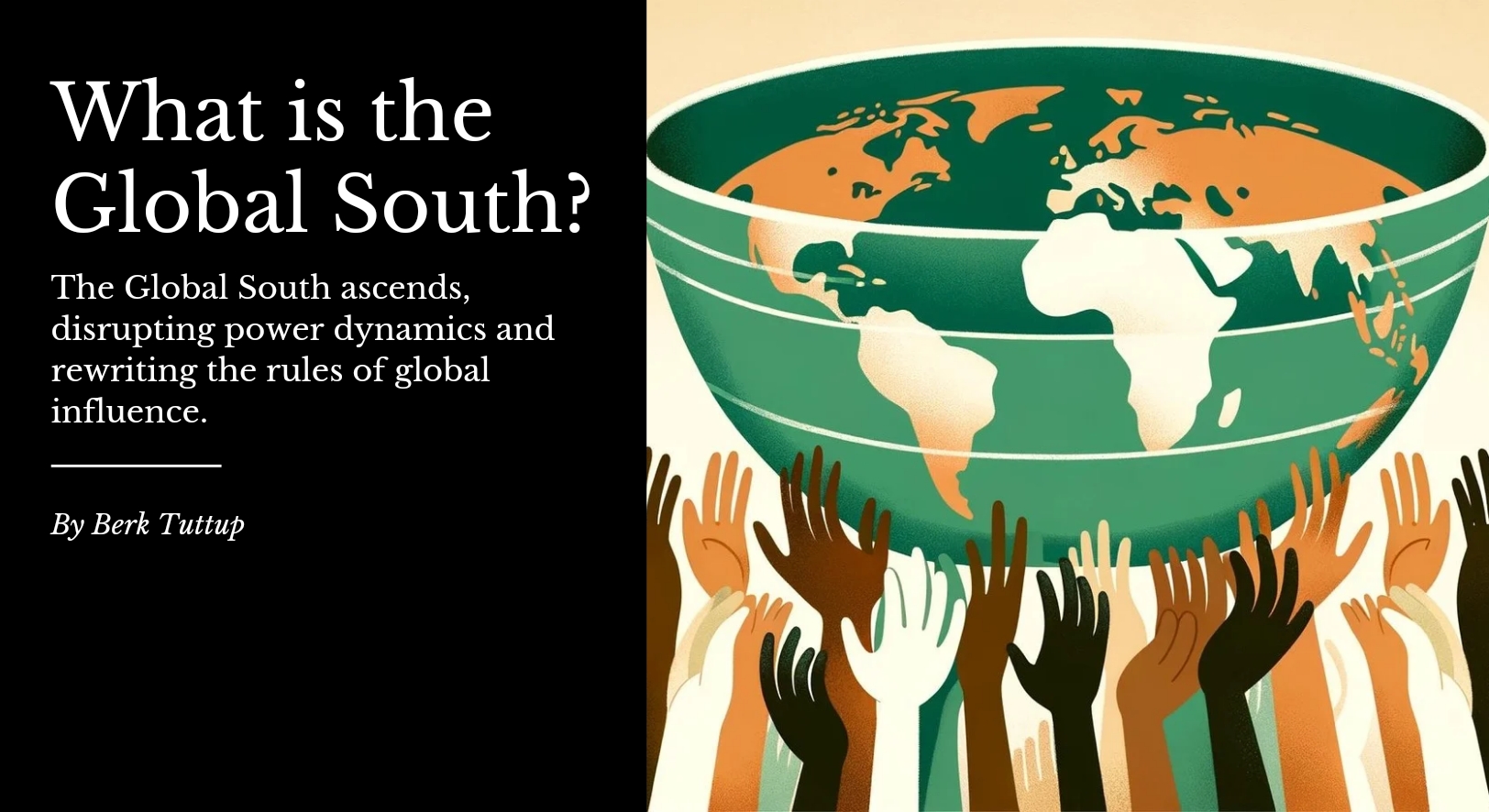
This narrative is part of a broader global trend where indigenous and rural communities in the Global South challenge the “extractivist” model of business. In these cases, multinational corporations are accused of exploiting natural resources while externalizing the environmental costs. By leaving toxic waste in place, the company avoided the significant expense of professional remediation, effectively shifting the financial and physical burden onto the people of Turkana.
The human impact is profound. Families in Kargi report losing multiple members to cancer within short timeframes, a phenomenon they claim was unheard of before the onset of the pollution. The psychological toll of living atop a “poisoned” landscape adds a layer of trauma to the physical illness, as residents feel abandoned by both the corporation that caused the damage and the government tasked with protecting them.
Corporate Accountability and Regulatory Failure
The Kargi situation exposes a systemic failure in regulatory oversight. In the 1980s, Kenyan environmental laws were far less stringent than they are today, and the capacity of the state to monitor remote drilling sites was limited. This created a vacuum of accountability that allowed the U.S. Company to exit the region without ensuring the land was returned to a safe state.
From a financial and ethical standpoint, this represents a “legacy liability.” Many corporations today claim to adhere to strict ESG criteria, yet few have mechanisms to address the environmental damage caused by their predecessors or by their own operations decades ago. The lack of a mandatory international fund for the remediation of abandoned industrial sites in developing nations means that communities like Kargi are often left without a legal path to compensation.
the failure of the Kenyan government to intervene effectively has exacerbated the crisis. While there have been calls for cleanup and health screenings, the scale of the contamination requires significant technical expertise and capital—resources that have not been deployed to the Kargi cluster in a meaningful way.
Key Factors Contributing to the Health Crisis
| Factor | Mechanism of Impact | Community Outcome |
|---|---|---|
| Groundwater Seepage | Toxic brine and heavy metals leach into aquifers. | Contaminated drinking water for livestock and humans. |
| Soil Degradation | Chemicals alter soil composition and enter crops. | Bioaccumulation of toxins in the local food supply. |
| Lack of Remediation | Abandoned pits remain open for decades. | Continuous exposure to hazardous waste. |
| Healthcare Gap | Limited diagnostic tools in rural Turkana. | Delayed cancer diagnosis and high mortality rates. |
The Broader Implications for the Energy Sector
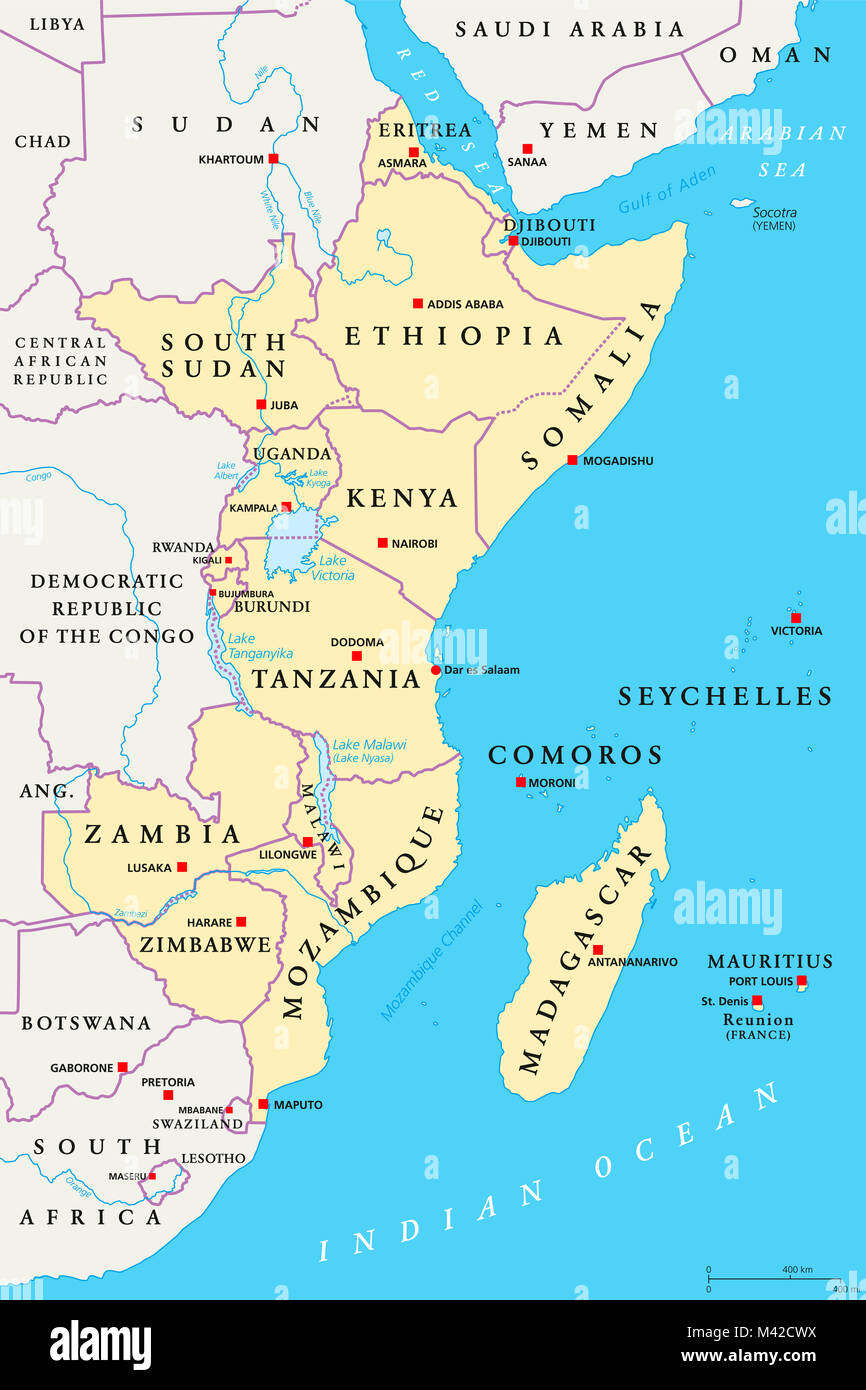
The crisis in Kargi serves as a warning for the current wave of energy development in East Africa. As Kenya and its neighbors seek to expand their oil and gas production to drive economic growth, the ghosts of the 1980s loom large. The “Kargi model” of exploration—drill, extract, and abandon—is no longer socially or politically sustainable.

Modern investors are increasingly wary of “stranded liabilities.” If a company is found responsible for a cancer cluster decades after the fact, the resulting legal battles and reputational damage can far outweigh the initial savings gained by skipping remediation. The transition toward “Just Energy Transitions” requires that the social cost of carbon and hydrocarbons be factored into the balance sheet from day one.
For the residents of Kargi, the debate over ESG and corporate liability is an academic exercise; for them, it is a matter of survival. The demand for a comprehensive health audit and a full-scale environmental cleanup is not just a request for aid, but a demand for justice.
What Happens Next?
The path forward for the residents of Kargi involves a combination of legal pressure and international advocacy. There are ongoing efforts to bring the plight of the Turkana people to the attention of international human rights bodies and to pressure the Kenyan government to hold the responsible parties accountable, regardless of how much time has passed.
The immediate priority remains the provision of clean water and specialized medical care for those suffering from cancer. Without a verified health census and a scientific mapping of the contamination plumes, it remains difficult to quantify the exact scale of the tragedy. However, the evidence provided by the Pulitzer Center’s investigation provides a critical foundation for future legal claims.
The next critical checkpoint will be the potential for a formal inquiry by the Kenyan Ministry of Health or an international environmental agency to determine the precise link between the 1980s waste and the current cancer cluster. Until such an investigation is conducted and a remediation plan is funded, the people of Kargi remain trapped in a landscape of toxic legacy.
Do you believe multinational corporations should be held legally responsible for environmental damage caused decades ago? Share your thoughts in the comments below or share this article to raise awareness about the crisis in Turkana.
Keep reading