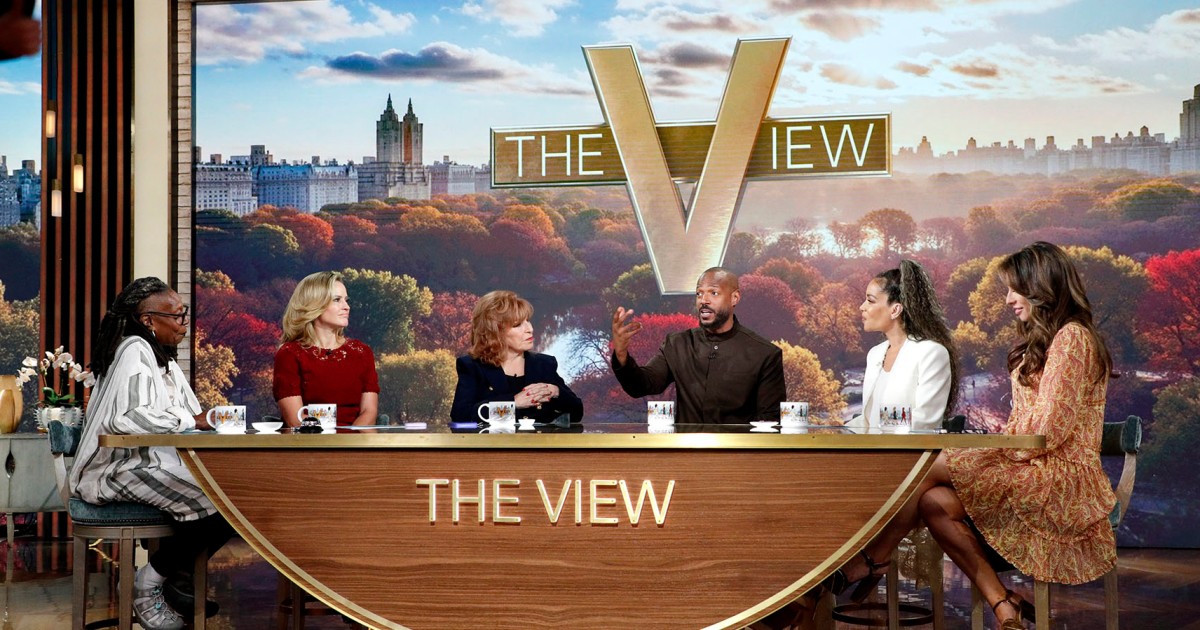
ABC Accuses Trump Administration of Free Speech Violations Over FCC Probe into ‘The View’
ABC has formally accused the Trump administration of violating its free speech rights, marking a significant escalation in the tension between the Disney-owned network and federal regulators. In a filing submitted to the Federal Communications Commission (FCC), the network argues that a recent regulatory action targeting the talk show “The View” constitutes an infringement on First Amendment protections and creates a precarious environment for broadcast journalism.
The dispute centers on an investigation into whether the network violated “equal-time” rules during the broadcast of a political candidate. ABC contends that the federal government is using regulatory scrutiny as a tool for political retaliation, asserting that the probe is an attempt to stifle content that is critical of the administration. This legal salvo comes as the White House and the FCC increase their oversight of broadcast networks, raising concerns among media advocates about the potential for government-led censorship.
At the heart of the conflict is a disagreement over the legal classification of “The View.” While the FCC is examining the show’s adherence to political broadcasting mandates, ABC insists the program operates under a long-standing exemption that shields it from such requirements. The network maintains that the show has been recognized as a “bona fide” news program for over two decades, a status that would legally exempt it from the obligation to provide equal airtime to opposing political candidates.
The FCC Investigation and the ‘Equal-Time’ Rule
The current regulatory friction began in February when the FCC initiated an investigation into an appearance by James Talarico on “The View.” At the time of the broadcast, Talarico was seeking the Democratic nomination for the U.S. Senate in Texas. The FCC is investigating whether this appearance breached the equal opportunities rule, which requires broadcast stations to provide equivalent access to all legally qualified candidates for the same public office.
FCC Chairman Brendan Carr, an appointee of President Donald Trump, confirmed the existence of the enforcement action in February. Carr has been a vocal proponent of stricter regulatory oversight of broadcast networks, frequently criticizing the perceived political bias of major media outlets. The administration’s focus on “The View” is seen by critics as a targeted effort to penalize a program known for its sharp critiques of the president.
The “equal-time” rule, codified under Section 315 of the Communications Act, was designed to ensure fairness in political campaigning by preventing networks from giving an unfair advantage to one candidate over another. However, the law provides specific carve-outs to protect the editorial independence of news organizations. These exemptions apply to “bona fide news interviews,” news programs, and news documentaries, ensuring that journalists can cover candidates based on news value rather than a strict quota of airtime.
The ‘Bona Fide’ News Defense
ABC’s legal strategy rests on the assertion that “The View” qualifies for the “bona fide news” exemption. In its filing, the network argues that it has never been disputed that the program falls under this category, meaning it is not subject to the equal-time standard. By classifying the show as a news program, ABC argues that the FCC’s current investigation is not only baseless but is a direct violation of the network’s First Amendment rights.
The distinction between “entertainment” and “news” is a critical legal pivot in this case. If the FCC successfully argues that “The View” is a talk show rather than a news program, ABC could face significant penalties and be forced to change how it handles political guests. Conversely, if the network’s “bona fide” status is upheld, the FCC’s probe would be viewed as an overreach of regulatory power.
Industry analysts note that this classification is not merely a technicality but a fundamental protection for media outlets. The ability to determine who is “newsworthy” is a cornerstone of editorial freedom. If the government can unilaterally decide which programs are “news” and which are “entertainment” based on the content of the discussions, it could lead to a systemic shift in how broadcast networks cover political figures.
Broadening the Scope: The ‘Chilling Effect’ on Media
Beyond the specific case of “The View,” ABC’s filing warns of a broader “chilling effect” on First Amendment freedoms across the American media landscape. The network argues that the Trump administration’s pattern of sharply criticizing broadcast networks, combined with targeted FCC investigations, serves as a warning to other outlets: critical coverage may result in regulatory harassment.
A “chilling effect” occurs when individuals or organizations self-censor their speech to avoid the threat of legal or regulatory punishment. In the context of broadcast journalism, this could manifest as networks avoiding controversial guests or softening their critiques of government officials to avoid attracting the attention of the FCC. ABC suggests that the current administration is leveraging the agency’s licensing power to exert pressure on the press.
This tension is part of a larger trend of deteriorating relations between the White House and the press. President Trump has frequently described certain networks as “enemies of the people” and has suggested that the government should review the broadcast licenses of networks that provide coverage he deems unfair. While the FCC is an independent agency, the appointment of leadership aligned with the president’s goals has led to concerns that the agency is being used as a political instrument.
Who is Affected by This Dispute?
- Broadcast Networks: Other networks may face similar scrutiny if the FCC successfully expands its interpretation of the equal-time rule to include opinion-based news programs.
- Political Candidates: Candidates who rely on media appearances for visibility may find networks more hesitant to host them if the risk of regulatory action increases.
- The Public: A shift toward self-censorship could limit the diversity of political discourse and reduce the availability of critical analysis of government actions.
- Regulatory Bodies: The FCC’s reputation as an independent arbiter of the public airwaves is at stake, as the outcome of this case will define the limits of its enforcement power.
Comparing the Legal Positions
The conflict can be summarized as a clash between two different interpretations of broadcast law and constitutional rights:
- The FCC’s Position: The agency views the equal-time rule as a necessary tool for ensuring electoral fairness. If a program provides a platform to one candidate, it must do so for others, regardless of whether the program identifies as “news.”
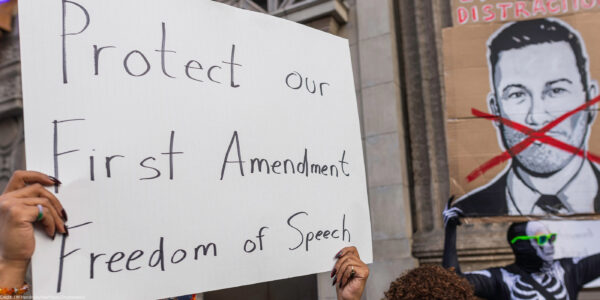
- ABC’s Position: The network views the probe as a targeted attack on free speech. It argues that the “bona fide news” exemption protects its right to choose guests based on editorial judgment without government interference.
What Happens Next?
The filing made public on Friday, May 8, 2026, sets the stage for a potentially protracted legal battle. The FCC has not yet provided a formal response to ABC’s accusations of First Amendment violations. The next critical step will be whether the FCC chooses to drop the investigation or proceed with an enforcement action, which would likely lead to a challenge in the federal court system.
Legal experts suggest that the case may eventually reach a higher court to determine the precise definition of a “bona fide news program” in the modern era of hybrid news-entertainment broadcasts. The ruling will have lasting implications for the autonomy of broadcast networks and the extent to which the federal government can regulate political speech on the airwaves.
For those following the development of this case, official updates and future filings can be tracked through the FCC’s Electronic Comment Filing System, where public records of regulatory disputes are maintained.
Key Takeaways:
- ABC has accused the Trump administration of violating First Amendment rights via an FCC probe into “The View.”
- The FCC is investigating if the network violated “equal-time” rules following an appearance by candidate James Talarico.
- ABC claims “The View” is a “bona fide” news show and therefore exempt from these rules.
- The network warns that such regulatory actions create a “chilling effect” on free speech.
- The outcome could redefine the legal boundary between news and entertainment in broadcast regulation.
The next confirmed checkpoint in this matter will be the FCC’s formal response to the filing or the scheduling of a hearing regarding the enforcement action. We will continue to monitor the regulatory filings for further updates.
Do you believe the “equal-time” rule is still relevant in the age of digital media, or is it being used as a political tool? Share your thoughts in the comments below or share this article to join the conversation.
Keep reading