
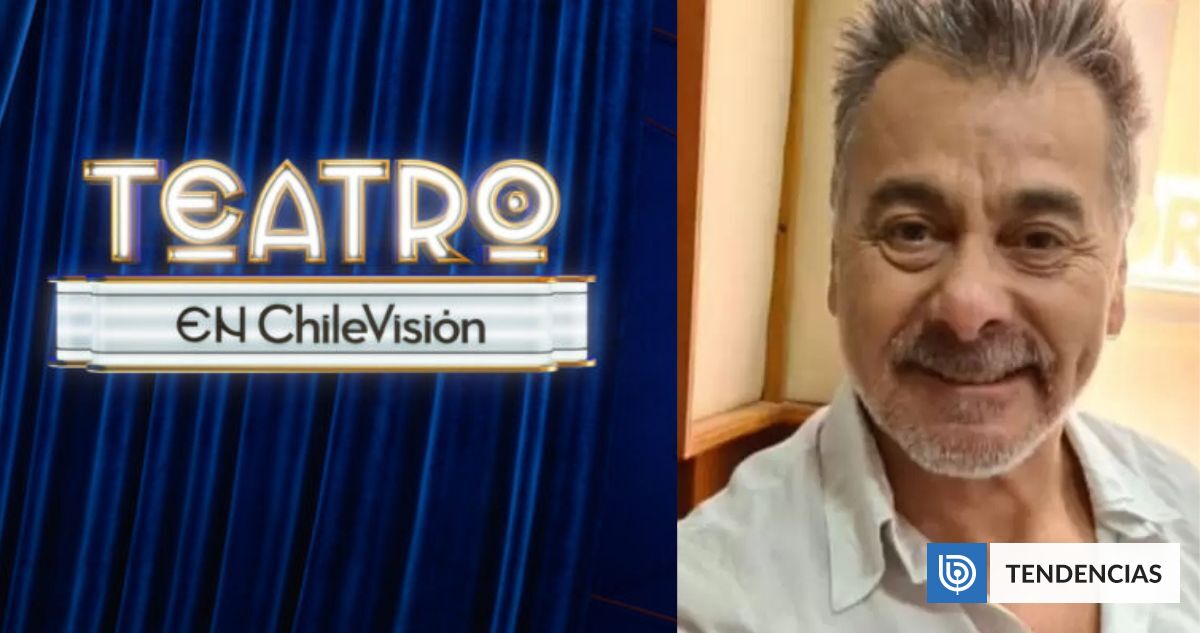
The landscape of Chilean television is bracing for a significant shift as Pato Torres, one of the nation’s most influential and enduring comedic figures, officially returns to the iconic Teatro en Chilevisión (Teatro en CHV). The announcement has sent ripples through the entertainment industry, marking the end of a period of tension and public speculation regarding the show’s direction and its relationship with veteran talent.
For many viewers, the return of Pato Torres returns to Teatro en CHV is more than just a casting update; it is a restoration of a comedic legacy. The program, which has historically served as a cornerstone for stand-up and theatrical humor in Chile, recently underwent a rebranding phase that initially left Torres on the sidelines, sparking a debate about the balance between refreshing a format and honoring the artists who built its reputation.
The move comes after weeks of intense scrutiny over the creative decisions made by the network’s leadership. As the show sought to establish a “new identity” with fresh faces, the absence of Torres—a staple of the genre—became a focal point for audience criticism. His eventual return suggests a pivot in strategy, acknowledging that the draw of established comedic mastery often outweighs the appeal of total novelty in the competitive Chilean TV market.
The Announcement via Radio Corazón
The confirmation of his return did not come through a formal press release from the network, but rather through the artist himself. During a live broadcast on Radio Corazón, Pato Torres revealed to his listeners and colleagues that he would be stepping back onto the stage of Teatro en Chilevisión. The announcement was delivered with the enthusiasm and flair characteristic of his public persona, describing the return as a major event “with drums and trumpets.”
By breaking the news on the radio, Torres maintained control of the narrative, framing his return as a triumphant homecoming rather than a corporate reconciliation. This approach resonated with a public that had openly questioned why a performer of his caliber was not part of the initial relaunch of the humoristic project. The transparency of the announcement via a live medium underscored the organic connection Torres maintains with his audience, independent of network curation.
Tensions with Julio César Rodríguez
The road back to the stage was not without friction, specifically involving Julio César Rodríguez. In his capacity as an executive and key decision-maker during the show’s restructuring, Rodríguez had previously defended the decision to exclude veteran stars in favor of new talent. He stated that the objective was to avoid simply replicating the original format that had defined the show in previous eras, emphasizing a desire to give the project a distinct, modern identity.
While Rodríguez expressed personal admiration for Torres, the professional divergence created a palpable rift. The decision to prioritize “new people” was viewed by many as a gamble that underestimated the loyalty of the audience to the classic style of humor Torres embodies. This tension peaked when Torres used his platform to address the situation, suggesting that his return would be a moment of discomfort for those who had orchestrated his absence.
The dynamic between the two figures highlights a common struggle in modern broadcasting: the tension between “legacy” and “innovation.” While Rodríguez aimed for a clean break from the past to attract a younger demographic, the overwhelming response to Torres’s absence proved that the “classic” appeal of Teatro en CHV remains its strongest asset.
Redefining the Identity of Teatro en CHV
The return of Pato Torres forces a reconsideration of what “new identity” means for a legacy program. For months, the network attempted to pivot toward a different comedic sensibility, but the absence of a central, towering figure like Torres left a void that new talent struggled to fill. His reintegration suggests that the most successful version of the show may be one that blends emerging voices with the authoritative presence of seasoned masters.
This development is particularly significant given the current state of the Chilean comedy landscape. In an era of fragmented media and digital content, the ability of a traditional television program to command national attention depends heavily on “event” television—moments that feel essential to the cultural conversation. Pato Torres’s presence transforms a standard episode into a cultural event, potentially stabilizing the show’s ratings and restoring its prestige.
this shift reflects a broader trend in entertainment where networks are rediscovering the value of “star power.” The initial attempt to build a show around a concept rather than a personality proved less effective than the traditional model of centering a production around a beloved artist.
What This Means for the Audience
For the viewers, the return of Torres promises a return to the sharp, observational, and often provocative humor that defined his earlier contributions to the network. The anticipation is not merely about the jokes, but about the chemistry and the potential for “acidic” commentary regarding the behind-the-scenes politics of the show’s revival.
The impact extends beyond the screen, as it validates the voice of the audience. The public outcry and the subsequent return of a fan-favorite performer demonstrate that viewers still hold significant influence over the creative direction of major network programming. It serves as a reminder to television executives that while innovation is necessary, it should not come at the cost of the very elements that made a program iconic.
As the production prepares for Torres’s first appearance, the industry will be watching closely to see how the network integrates his style with the “new faces” previously introduced. If handled correctly, this synthesis could create a more robust and diverse comedic offering than either strategy could achieve alone.
The next confirmed checkpoint for the show will be the official release of the updated broadcast schedule, which is expected to detail the specific dates of Pato Torres’s performances. Fans and industry analysts alike are awaiting the first episode to see if the tension between the artistic vision of the executives and the reality of the performer’s appeal has been fully resolved.
We want to hear from you. Do you believe legacy performers are essential for the survival of traditional TV shows, or should networks continue to push for entirely new faces? Share your thoughts in the comments below.