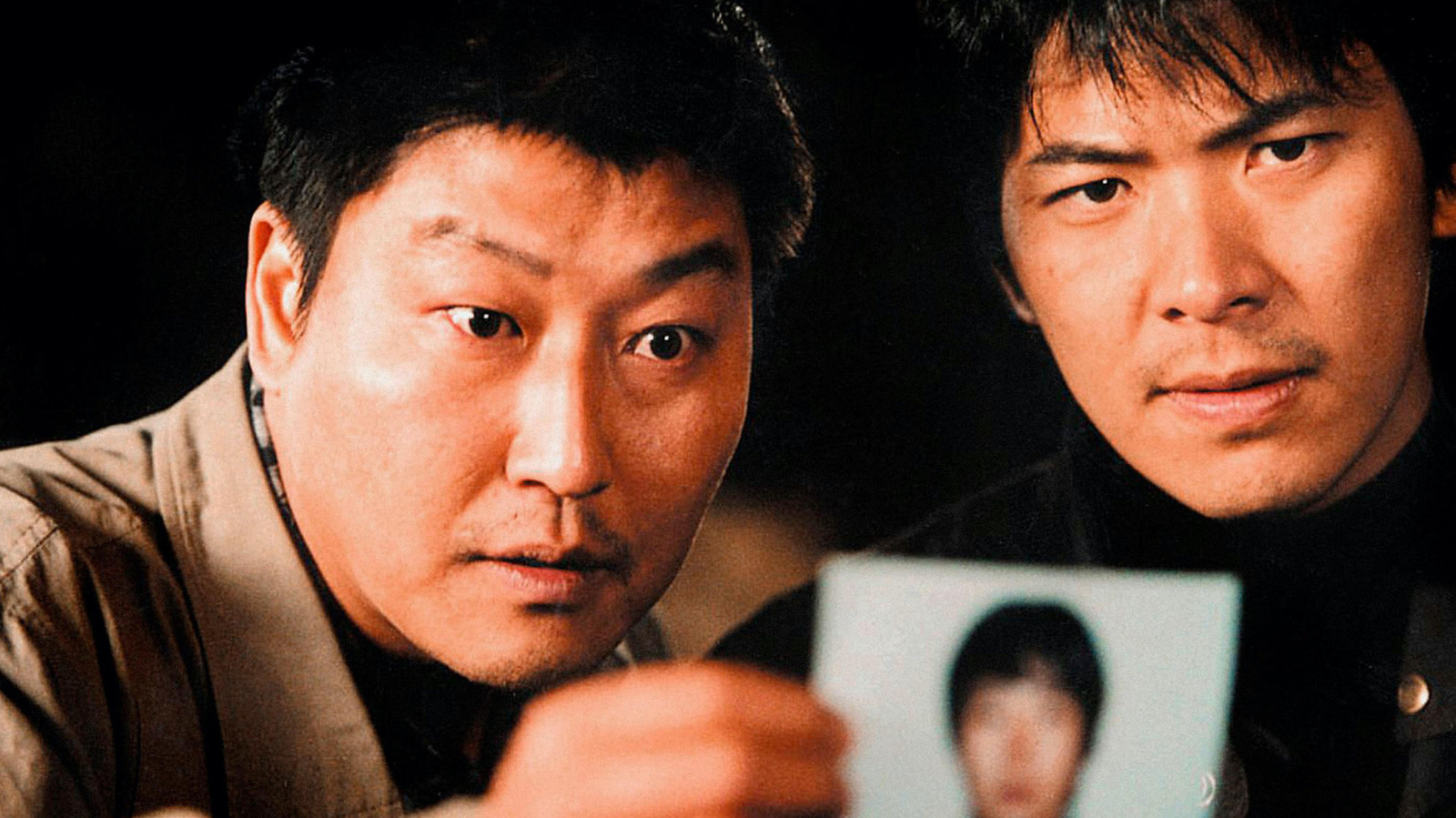
For aficionados of the true crime genre, few experiences are as haunting or as meticulously crafted as the pursuit of a ghost. The allure of the unsolved mystery—the puzzle that refuses to be completed—is a powerful cinematic engine, and perhaps no film captures this obsessive drive more effectively than David Fincher’s 2007 masterpiece, Zodiac. For those seeking a viewing experience that prioritizes atmospheric tension and intellectual rigor over cheap jump scares, the film is currently available for streaming on Paramount Plus.
Zodiac is not merely a movie about a serial killer; it is a profound examination of the cost of obsession. While many crime thrillers focus on the visceral horror of the crime itself, Fincher turns his lens toward the investigators, journalists, and civilians who become consumed by the need for answers. The result is one of the best neo-noir crime thrillers on Paramount Plus, blending historical accuracy with a suffocating sense of dread that lingers long after the credits roll.
Set against the backdrop of the San Francisco Bay Area in the late 1960s and 1970s, the film chronicles the hunt for the elusive “Zodiac” killer, who terrorized Northern California with a series of murders and a series of cryptic, taunting letters sent to local newspapers. The narrative spans decades, illustrating how a professional curiosity can evolve into a life-altering fixation, effectively blurring the line between the hunter and the hunted.
As the entertainment landscape shifts toward fast-paced, episodic content, Zodiac stands as a testament to the power of the “slow burn.” It demands patience from its audience, rewarding them with a level of detail and authenticity rarely seen in contemporary cinema. By eschewing the traditional tropes of the slasher film, Fincher creates a procedural drama that feels less like a movie and more like an archival reconstruction of a nightmare.
The Fincher Precision: A Masterclass in Neo-Noir
David Fincher is renowned for his technical perfectionism, and Zodiac is perhaps the purest expression of this trait. From the precise framing of every shot to the meticulous recreation of 1970s San Francisco, the film feels grounded in an oppressive reality. The “neo-noir” elements are evident not in shadows and fedoras, but in the pervasive sense of futility and the moral ambiguity of a city unable to protect its citizens.

The film’s brilliance lies in its pacing. Rather than rushing toward a climactic reveal, Fincher allows the investigation to meander through archives, police stations, and dimly lit basements. This mirrors the real-life experience of the investigators, where progress is measured in millimeters and breakthroughs are often dead ends. The tension is derived not from the threat of immediate violence, but from the agony of the unknown.
Technically, the film is a marvel. The sound design—the clicking of typewriters, the hum of fluorescent lights, the distant sirens of a city on edge—creates an immersive sonic environment. The cinematography avoids flashy movements, opting instead for a steady, observant gaze that makes the viewer feel like another researcher digging through a cold case file.
A Cast Defined by Obsession
The strength of Zodiac is anchored by an ensemble cast that delivers understated, powerhouse performances. Jake Gyllenhaal portrays Robert Graysmith, a political cartoonist for the San Francisco Chronicle whose initial curiosity about the Zodiac case spirals into a lifelong obsession. Gyllenhaal captures the transformation of Graysmith with subtlety, moving from a detached observer to a man whose entire identity is subsumed by his search for the killer.
Opposite Gyllenhaal is Mark Ruffalo as Detective Dave Toschi, the weary professional who represents the institutional struggle against the killer. Ruffalo brings a grounded, exhausted energy to the role, embodying the frustration of a law enforcement officer bound by bureaucracy and the limitations of forensic technology in the pre-digital era. Their chemistry provides the emotional core of the film, representing the intersection of amateur passion and professional duty.
Robert Downey Jr. Provides a sharp contrast as Paul Avery, the ambitious and volatile crime reporter. Avery represents the journalistic hunger for the “big scoop,” and Downey Jr. Plays the character’s eventual descent into alcoholism and disillusionment with heartbreaking precision. Together, these three perspectives—the amateur, the cop, and the journalist—create a comprehensive portrait of a community fractured by fear and a shared, desperate need for closure.
Fact, Fiction, and the Graysmith Legacy
The film is based on the non-fiction books written by Robert Graysmith, who spent years researching the case. This foundation in factual reporting allows Zodiac to avoid the pitfalls of sensationalism. Instead of inventing plot twists for dramatic effect, the film leans into the inherent strangeness of the real-life case, including the Zodiac’s complex ciphers and his psychological warfare with the press.
The real-life Zodiac killer remains one of the most infamous unidentified serial killers in American history. By focusing on the evidence and the timeline, Fincher highlights the tragedy of the case: the fact that the killer’s identity may never be officially confirmed to the satisfaction of the law. This lack of a neat resolution is what makes the film so enduring; it refuses to give the audience the catharsis they crave, mirroring the real-world frustration of the victims’ families and the investigators.
The attention to detail extends to the ciphers themselves. The film treats the decryption process as a high-stakes intellectual battle, turning the act of reading a letter into a suspenseful sequence. This commitment to accuracy ensures that the film serves as more than just entertainment; it acts as a cinematic archive of one of the 20th century’s most perplexing criminal mysteries.
Why Zodiac Remains Essential Viewing
In an era of “true crime” saturation—where podcasts and docuseries often prioritize narrative convenience over factual complexity—Zodiac remains a gold standard. It understands that the most terrifying aspect of the Zodiac killer was not his violence, but his ability to remain invisible while remaining omnipresent in the public consciousness.
The film also serves as a poignant commentary on the nature of truth. It asks whether the “truth” is something that can be found through sheer willpower or if some mysteries are simply designed to remain unsolved. The final scenes of the movie do not offer a triumphant victory, but rather a quiet, haunting realization about the limits of human knowledge.
For those new to the film, the experience is enhanced by the knowledge that it is a product of a specific moment in cinema—a bridge between the gritty crime dramas of the 70s and the sleek, psychological thrillers of the modern age. It is a film that rewards repeat viewings, as the intricate web of dates, names, and clues becomes clearer with each watch.
Key Elements of the Zodiac Experience
- The Atmosphere: A suffocating recreation of San Francisco’s paranoia during the late 60s and 70s.
- The Performance: A career-defining turn by Jake Gyllenhaal as the obsessive Robert Graysmith.
- The Direction: David Fincher’s uncompromising commitment to detail and procedural accuracy.
- The Theme: An exploration of how an unsolved mystery can consume a person’s life.
- The Resolution: A bold refusal to provide a simplified “Hollywood” ending.
Where to Watch and What to Pair It With
Zodiac is currently streaming on Paramount Plus. For viewers who appreciate the meticulous direction and psychological depth of this film, it is recommended to pair it with other David Fincher works, such as Se7en, which explores similar themes of serial crime and urban decay, albeit with a more stylized, gothic approach.

For those interested in the actual history of the case, exploring the archives of the San Francisco Chronicle or reading the original works by Robert Graysmith can provide additional context to the film’s narrative. The intersection of the movie’s dramatization and the actual police reports reveals the skill with which Fincher translated a sprawling, messy investigation into a cohesive cinematic experience.
As we move further into the 21st century, the legacy of the Zodiac killer continues to fascinate. While modern DNA technology has led to various theories and claims regarding the killer’s identity, the film captures the raw, analog desperation of the original hunt. It reminds us that before the age of digital footprints and instant communication, the only way to find a killer was through shoe-leather detective work and an obsessive eye for detail.
The next significant development in the real-life Zodiac case typically comes in the form of new forensic breakthroughs or independent research claims, though no official conviction has been recorded by law enforcement. For now, the most complete exploration of the case’s psychological toll remains available on screen.
Do you believe the mystery of the Zodiac killer will ever be fully solved, or is the ambiguity part of the legend? Share your thoughts in the comments below and let us know your favorite neo-noir thrillers.