The trajectory of consumer electronics is shifting away from the screen and toward what industry insiders call “ambient computing”—technology that assists us in the background without requiring a handheld device. For years, the smartphone has been the center of our digital universe, but the next frontier involves shrinking that intelligence into wearables that blend seamlessly into our attire.
Recent reports suggest that Apple is exploring this exact pivot with the development of an AI pendant. Described as a wearable AI device that could function as either a pin or a necklace, this rumored project aims to decouple the user’s interaction with artificial intelligence from the physical act of holding an iPhone. While Apple has a history of canceling experimental projects before they reach the consumer, the current momentum suggests a strategic push to compete in the emerging AI hardware space.
This move is particularly significant given the competitive landscape. There are ongoing reports that former Apple design chief Jony Ive is collaborating with OpenAI to create a similar AI-centric hardware device. For Apple, an AI pendant would not just be a new gadget, but a way to extend the reach of “Apple Intelligence” into the physical world, allowing the company to capture data and provide assistance in real-time, hands-free environments.
Design Philosophy: An AirTag for the Body
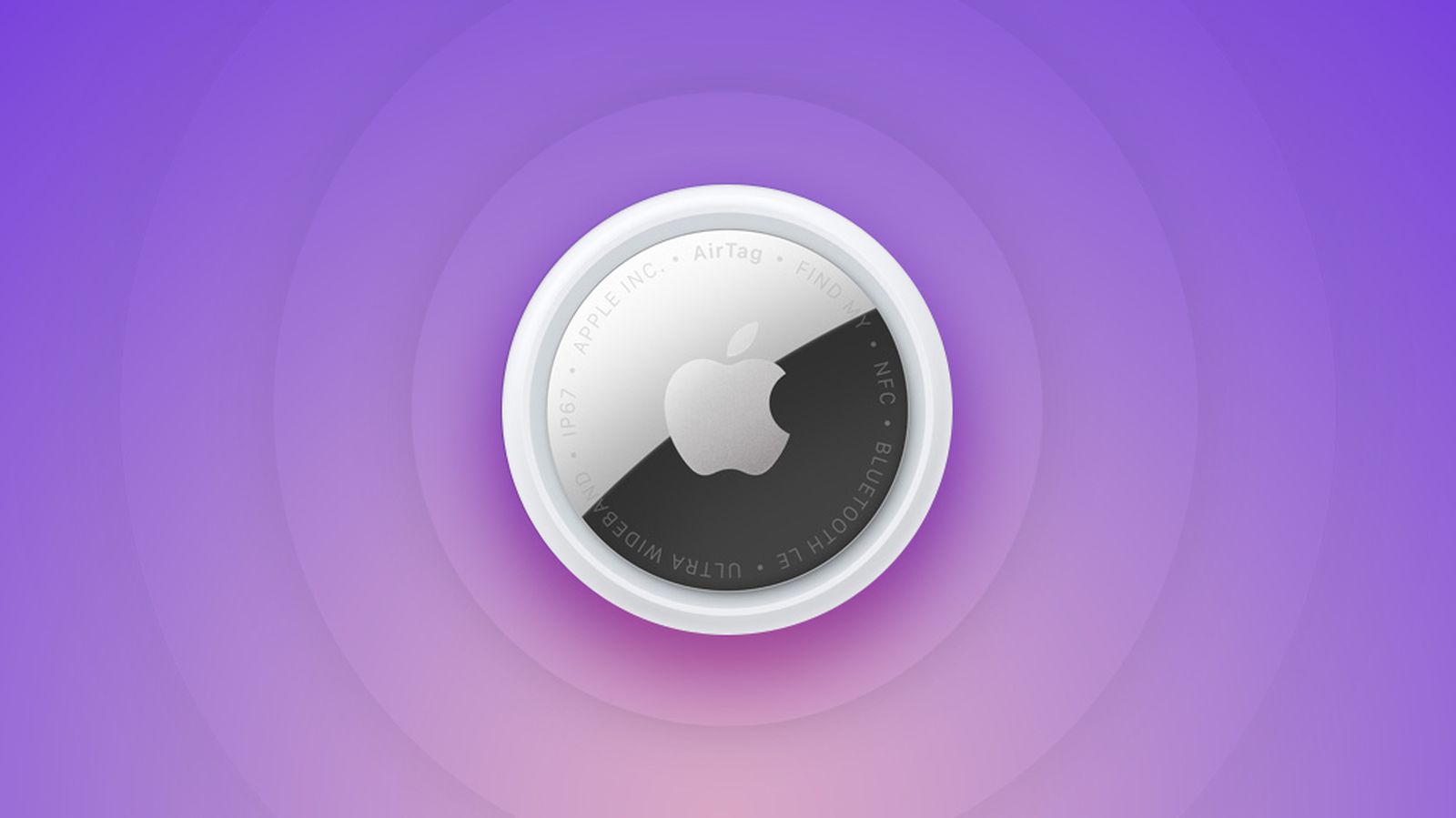
While official specifications remain under wraps, reports indicate that Apple is leaning toward a familiar aesthetic. The device is rumored to mirror the form factor of the AirTag—a thin, flat, circular disc. To maintain the premium feel associated with the brand, the shell is expected to be constructed from aluminum and glass, featuring a physical control button on one edge for tactile interaction.
Versatility appears to be a core goal of the design. The device is reportedly being developed with multiple attachment options: a clip that allows it to be worn as a pin on clothing and a dedicated hole that enables it to be worn as a pendant on a necklace. Although Apple aims for the device to be roughly the same size as an AirTag, the internal hardware requirements for AI processing and sensing may result in a slightly thicker profile.
Visual Intelligence and the Camera Controversy
The most debated aspect of the rumored pendant is its visual capability. A wearable AI device is only as useful as its ability to perceive the world, and Apple is expected to lean heavily on “Visual Intelligence”—a feature already being integrated into the iPhone 16 lineup to provide information about objects and locations via the camera.
However, there is a discrepancy in how this hardware will be implemented. According to reports from Bloomberg, the device may feature a low-resolution, always-on camera designed specifically for environmental awareness rather than photography. In this configuration, the camera would process visual data to give Siri context about the wearer’s surroundings, but users would be unable to capture traditional photos or videos.
Conversely, other reports suggest a more robust setup involving two front-facing cameras—one standard lens and one wide-angle lens. This version would potentially allow the device to function as a tool for capturing media, transforming the pendant into a hands-free camera for the user. Regardless of the final hardware, the goal remains the same: providing the AI with a “set of eyes” to answer questions about what the wearer is seeing in real-time.
Siri as the Neural Core
At the heart of the device is Siri. The pendant is not intended to be a general-purpose computer, but rather a dedicated interface for Apple’s evolving AI assistant. By removing the screen, Apple is betting on a voice-and-vision-first experience where the AI can proactively offer help based on the wearer’s environment.
This hardware coincides with a broader effort to overhaul Siri. Apple is reportedly working to transform its assistant into a more sophisticated chatbot capable of reasoning and context-awareness, bringing it closer to the capabilities of Large Language Models (LLMs) like ChatGPT or Claude. In this ecosystem, the pendant acts as the sensory organ, feeding visual and auditory data to Siri, which then processes the information to provide actionable insights.
The Ecosystem Lock: Why an iPhone is Mandatory
Unlike standalone wearables like some smartwatches, the AI pendant is not expected to be a sovereign device. Instead, it will likely be marketed as an iPhone accessory. Here’s a strategic move that ensures the device remains lightweight and power-efficient.
Reports suggest the pendant will utilize a smaller, low-power chip similar to the H2 chip found in AirPods. Because the device lacks the thermal headroom and battery capacity for heavy computation, the bulk of the “heavy lifting”—the complex AI processing—will be offloaded to the paired iPhone. This architecture reinforces Apple’s “walled garden” strategy, ensuring that the utility of the wearable is inextricably linked to the ownership of an iPhone.
Audio Interaction and the Speaker Dilemma
For the device to be effective, it must be able to hear. A built-in microphone is a certainty, allowing the pendant to listen for voice commands and pick up ambient sounds. However, the method of communication back to the user remains an open question in Apple’s design process.
There are reports that Apple is undecided on whether to include a built-in speaker. If the device lacks a speaker, it would rely on the broader Apple ecosystem for audio playback. Responses from Siri would be routed to the wearer’s AirPods, Apple Watch, or the paired iPhone. This would maintain a more discreet user experience, preventing the pendant from broadcasting private AI responses to everyone in the immediate vicinity.
Market Positioning and Expected Timeline
The AI pendant represents Apple’s entry into a high-risk, high-reward category. The failure of previous “screenless” AI devices from other startups suggests that the challenge is not just the hardware, but the utility. Apple’s advantage lies in its existing integration; if the pendant can seamlessly connect with iMessage, Calendar, and Health data, it becomes more than a novelty—it becomes a productivity tool.
As for when this technology might reach the public, the timeline is distant. Mark Gurman of Bloomberg has indicated that the AI wearable could potentially launch as soon as 2027. This window allows Apple to refine the “Apple Intelligence” software layer and ensure the battery life of such a small device is viable for daily use.
The next major checkpoint for Apple’s AI trajectory will be the wider rollout of Apple Intelligence features across iOS and macOS. The success of these software updates will likely determine whether the AI pendant moves from the prototype stage to a full commercial release.
Do you think a screenless AI pendant is the future of computing, or is the smartphone still the ultimate form factor? Share your thoughts in the comments below.
Worth a look