
Cinema has long been obsessed with the unseen, the unexplained, and the otherworldly. However, the most enduring entries in the genre are not those that rely solely on jump scares or elaborate computer-generated imagery, but those that anchor their fantastical elements in raw, human emotion. When a film successfully blends the paranormal with high-caliber acting, it transforms from a simple exercise in fear into a profound study of the human psyche.
Finding the best supernatural thrillers with incredible performances requires looking past the plot twists to see how the actors navigate the impossible. The true challenge for a performer in this genre is to maintain emotional authenticity while reacting to things that aren’t there or circumstances that defy logic. When this balance is struck, the supernatural elements become a mirror for internal struggles—grief, paranoia, isolation, and madness.
From the gothic tension of the 1960s to the “elevated horror” of the modern era, certain films stand out because the acting elevates the material. These performances do more than just move the story forward; they convince the audience that the stakes are real, making the otherworldly threats feel visceral, and immediate. In this ranked exploration, we examine the films where the acting is just as haunting as the ghosts.
The Architecture of Dread: Grounding the Impossible
The effectiveness of a supernatural thriller hinges on the concept of grounding. If the audience does not believe in the characters’ reactions, the supernatural elements feel like mere special effects. The most successful films in this category utilize psychological horror to bridge the gap between the mundane and the macabre. By focusing on relatable human experiences—such as the anxiety of new motherhood or the crushing weight of familial loss—these films create a foundation of truth upon which the supernatural can be built.
This synergy between performance and premise is what separates a cult classic from a forgettable genre piece. When an actor delivers a performance of raw intensity, they provide the audience with an emotional anchor. This allows the viewer to suspend their disbelief and enter a world where demons and curses are not just plot points, but catalysts for character evolution.
The Definitive Rankings: Performances That Define the Genre
While many films utilize supernatural tropes, only a few manage to pair them with acting that earns critical immortality. The following rankings prioritize the strength of the lead and supporting performances and their ability to elevate the overall narrative tension.
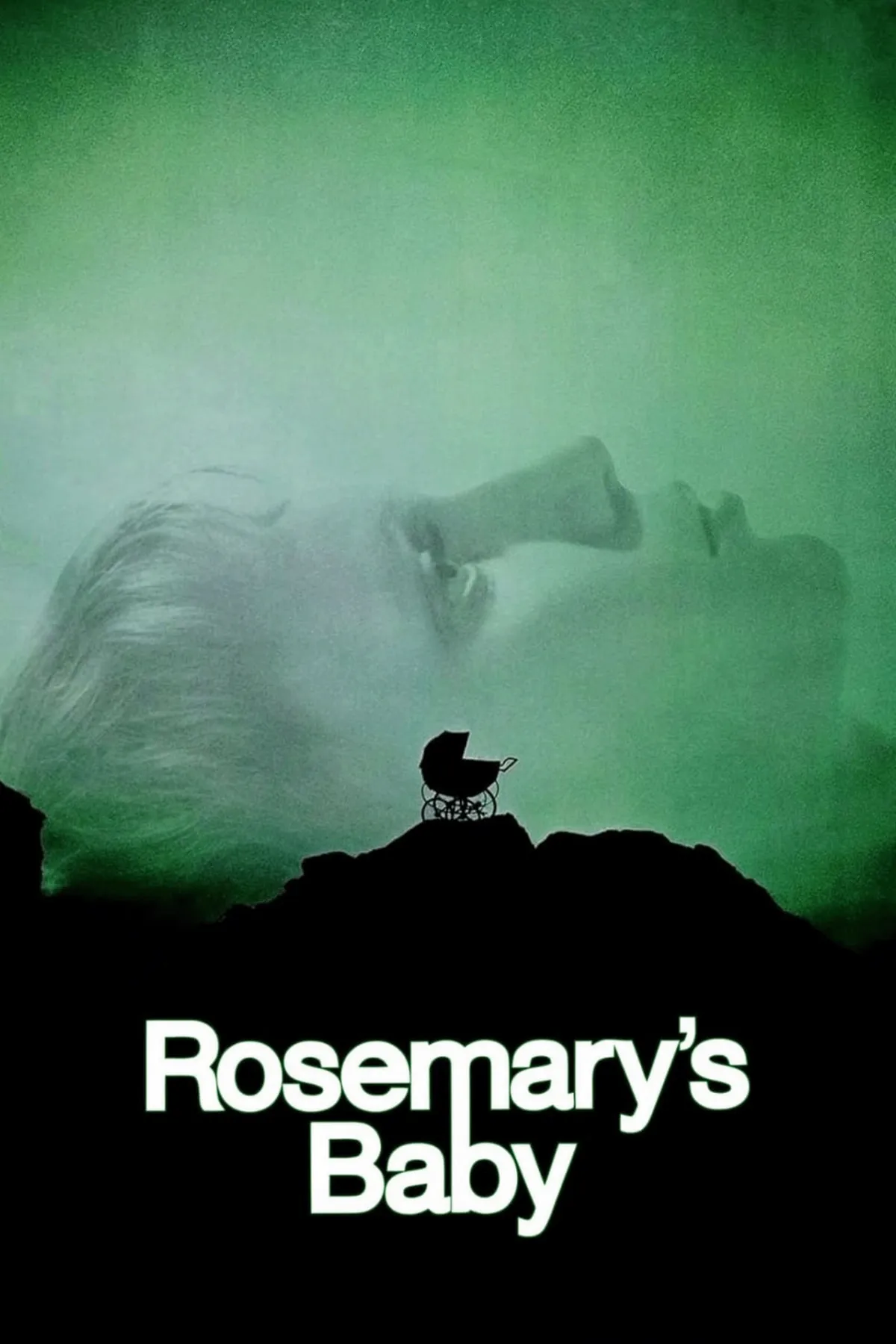
1. Rosemary’s Baby (1968)
Roman Polanski’s masterpiece remains a gold standard for the genre due to its suffocating atmosphere and stellar casting. Mia Farrow delivers a career-defining performance as Rosemary, a young woman whose pregnancy becomes the center of a Satanic conspiracy. Farrow’s portrayal of an increasingly vulnerable and violated woman is marked by a raw intensity that captures the dread of an expectant mother trapped in an unimaginable nightmare.
Equally vital is Ruth Gordon’s role as the sinister neighbor, Minnie Castevet. Gordon expertly balances charm with menace, playing an unassuming conspirator who lures the protagonist into a web of manipulation. Her performance earned her the Academy Award for Best Supporting Actress, cementing the film’s status as a character-driven triumph rather than a mere thriller.
2. Hereditary (2018)
In the modern era, few performances have matched the visceral power of Toni Collette in Ari Aster’s Hereditary. While the film deals with occult rituals and ancestral curses, the core of the story is a devastating portrait of familial grief. Collette’s performance is a masterclass in emotional volatility, depicting a mother unraveling under the pressure of tragedy and supernatural influence.
The film avoids the clichés of the genre by treating its supernatural elements as extensions of the characters’ psychological trauma. Collette’s ability to convey profound agony and terror simultaneously ensures that the film’s climax feels earned and emotionally resonant, rather than just shocking.
3. The Exorcist (1973)
Few films have had as significant a cultural impact as The Exorcist, and much of that success is owed to the grounded performances of its cast. Ellen Burstyn, as Chris MacNeil, provides the film’s emotional heartbeat. Her journey from skeptical mother to desperate protector is played with a realism that makes the subsequent supernatural events far more terrifying.
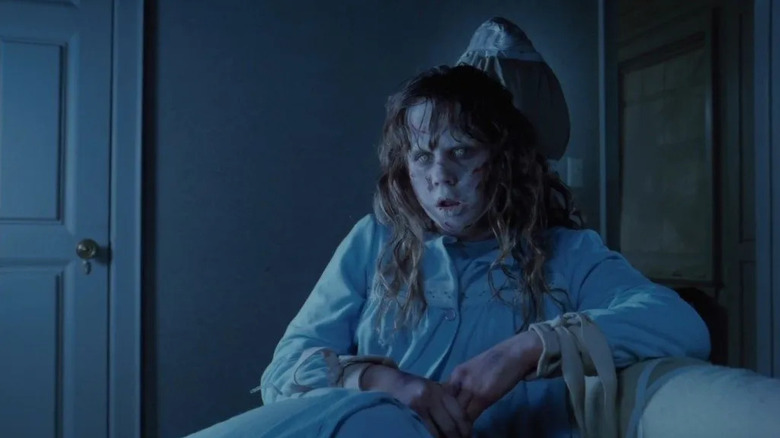
The tension in the film is amplified by the chemistry between the actors and the meticulous direction of William Friedkin. By focusing on the desperation of the parents and the spiritual crisis of Father Karras, the film transforms a story about demonic possession into a complex exploration of faith and motherhood.
4. The Sixth Sense (1999)
While famous for its twist ending, The Sixth Sense is fundamentally a story about communication and healing. The film’s success rests largely on the shoulders of a young Haley Joel Osment. His portrayal of Cole Sear—a boy who can see dead people—is remarkably nuanced, avoiding the typical “creepy child” tropes in favor of a performance rooted in loneliness and fear.
Bruce Willis provides a steady, understated counterpoint as the psychologist attempting to help Cole. The quiet, intimate moments between the two leads provide the necessary emotional weight that makes the film’s supernatural revelations feel poignant rather than gimmicky.
5. The Others (2001)
Nicole Kidman delivers a powerhouse performance in The Others, playing Grace, a mother living in a secluded mansion with her photosensitive children. Kidman captures the rigid discipline and underlying fragility of a woman clinging to order in a house that feels increasingly hostile.
The film relies heavily on Kidman’s ability to convey suspicion and maternal protectiveness. Because her performance is so disciplined and controlled, the gradual descent into supernatural chaos is all the more effective. The film stands as a testament to how a strong lead can carry a high-concept premise through sheer presence and precision.
6. Get Out (2017)
Jordan Peele’s Get Out blends social commentary with supernatural elements to create a unique form of psychological thriller. Daniel Kaluuya’s performance as Chris is central to the film’s success. Kaluuya uses subtle facial expressions and physical tension to communicate a growing sense of unease and entrapment.
The brilliance of the performance lies in its restraint. By mirroring the audience’s own growing suspicion, Kaluuya makes the eventual reveal of the film’s supernatural premise feel like an inevitable, terrifying conclusion to a social experiment gone wrong.
7. Carrie (1976)
Based on the novel by Stephen King, Brian De Palma’s Carrie is anchored by Sissy Spacek’s haunting portrayal of the title character. Spacek captures the isolation and fragility of a bullied teenager with an ethereal quality that makes her eventual explosion of telekinetic power feel like a tragic inevitability.
The performance is a study in repression. Spacek’s ability to convey years of accumulated trauma through a single look makes the film’s supernatural climax a moment of catharsis as much as We see a moment of horror.
8. The Babadook (2014)
The Babadook uses a monster as a metaphor for depression and grief, and Essie Davis delivers one of the most intense performances in contemporary horror. As Amelia, a widowed mother struggling to raise her son, Davis portrays the slow erosion of sanity with terrifying accuracy.
The film’s strength lies in how it blurs the line between a supernatural haunting and a psychological breakdown. Davis’s performance ensures that the audience remains uncertain of what is real, making the struggle against the Babadook a deeply personal and emotional battle.
Why Acting Matters in Supernatural Cinema
The intersection of acting and the supernatural is where the most meaningful cinema is created. When a performer can make the audience feel the weight of a ghost’s presence without the ghost ever appearing on screen, they are utilizing the full power of the medium. This is often referred to as “cinematic tension,” where the space between the actor’s reaction and the audience’s perception creates a vacuum of suspense.
the use of supernatural elements often allows actors to explore extreme emotional states that would feel contrived in a standard drama. The presence of a curse or a haunting provides a catalyst for characters to confront their deepest fears, secrets, and regrets. In this sense, the supernatural thriller is not an escape from reality, but a heightened version of it.
For those looking to explore these films, most are available through major streaming platforms or digital rentals. When viewing these titles, paying attention to the “quiet” moments—the glances, the hesitations, and the subtle shifts in tone—reveals why these specific performances are considered the best in the genre.
Key Takeaways for Genre Enthusiasts
- Emotional Anchoring: The most effective supernatural thrillers use human emotion (grief, paranoia) to make otherworldly events believable.
- Subtlety Over Spectacle: Performances that rely on restraint and psychological depth, such as those in Get Out or The Others, often create more tension than overt horror.
- Metaphorical Weight: The best films use supernatural entities as metaphors for internal struggles, such as depression in The Babadook or trauma in Hereditary.
- Genre Evolution: The shift from the gothic style of Rosemary’s Baby to the modern “elevated horror” shows a consistent reliance on high-caliber acting to maintain credibility.
As the landscape of entertainment continues to evolve with new technology, the fundamental need for authentic human performance remains unchanged. Whether it is a 1960s classic or a modern indie hit, the films that endure are those that remember that the most terrifying thing in any room is not the ghost, but the human heart in turmoil.
We invite our readers to share their thoughts: Which supernatural performance left the deepest impression on you? Do you agree with our rankings, or is there a hidden gem we missed? Let us know in the comments below and share this list with your fellow cinephiles.
Keep reading