
At sunrise, the volcanic peaks of Muhabura, Gahinga, and Sabyinyo emerge from a thick blanket of mist, marking the rugged intersection of Uganda, Rwanda, and the Democratic Republic of the Congo. This high-altitude region, known as the Virunga Massif, serves as the ancestral stronghold for one of the world’s most iconic and endangered primates: the mountain gorilla. Within this landscape lies the Bwindi Impenetrable National Park, a dense, ancient rainforest that shelters nearly half of the global population of these great apes.
For conservationists and biologists, the survival of the mountain gorilla is not left to chance. It is managed through a meticulous and periodic mountain gorilla census in Uganda and the surrounding region. This process is far more than a simple head count; it is a comprehensive health check for an entire ecosystem. By tracking newborns, monitoring silverback leadership, and assessing the movement of family groups, researchers can determine if conservation strategies are working or if new threats are emerging from the surrounding wilderness.
The census provides a rare window into the population dynamics of a species that shares more than 98% of human DNA. These primates are characterized by deep emotional intelligence, capable of recognition, curiosity, and empathy. However, their existence remains precarious. While population numbers have shown an encouraging upward trend, the gorillas live in “forest islands”—small, fragmented patches of greenery surrounded by some of the highest rural population densities in Africa.
Understanding the balance between these majestic creatures and the humans who share their borders is the central challenge of modern conservation in Uganda. The census acts as the primary data source for this balance, informing policy, directing ranger patrols, and ensuring that the international community remains committed to the protection of Bwindi’s unique biodiversity.
The Mechanics of the Mountain Gorilla Census
Counting mountain gorillas is a task of immense physical and technical difficulty. Bwindi Impenetrable National Park earns its name from the sheer density of its vegetation; the canopy is so thick that sunlight often struggles to reach the forest floor. To conduct a census, conservation teams must traverse steep ridges and navigate deep valleys, often following narrow inspection trails that wind through the undergrowth.
The process involves tracking “habituated” groups—gorillas that have become accustomed to the presence of humans—as well as monitoring signs of “unhabituated” groups. Rangers and researchers record the GPS locations of gorilla nests, track the growth of infants, and identify the silverbacks leading each group. This longitudinal data allows scientists to calculate birth rates, mortality rates, and the overall growth trajectory of the population.
Beyond the primates themselves, the census serves as a broader ecological survey. As teams walk the trails, they record signs of human impact, such as illegal timber extraction, gold mining, or evidence of encroachment. By mapping these human footprints alongside gorilla movements, park managers can identify “hotspots” where poaching risks are highest or where habitat degradation is threatening the gorillas’ food sources. This dual-purpose monitoring is essential for the long-term viability of the UNESCO World Heritage site.
Resilience and Fragility: The Story of the Silverbacks
The social structure of mountain gorillas is centered around the silverback, the dominant male who provides protection, leadership, and stability for his family group. The census closely monitors these leaders, as the loss of a silverback can lead to social instability within the group, potentially leaving females and infants vulnerable.
The fragility of this progress was starkly illustrated in the Nkuringo sector of the park. In 2020, a prominent silverback named Rafiki was killed by a poacher. For the conservation community, Rafiki’s death was a sobering reminder that even in a protected area, the threat of illegal hunting remains a constant danger. The loss of a single leader can disrupt the harmony of a group and highlight how quickly decades of conservation gains can be jeopardized by a single act of violence.

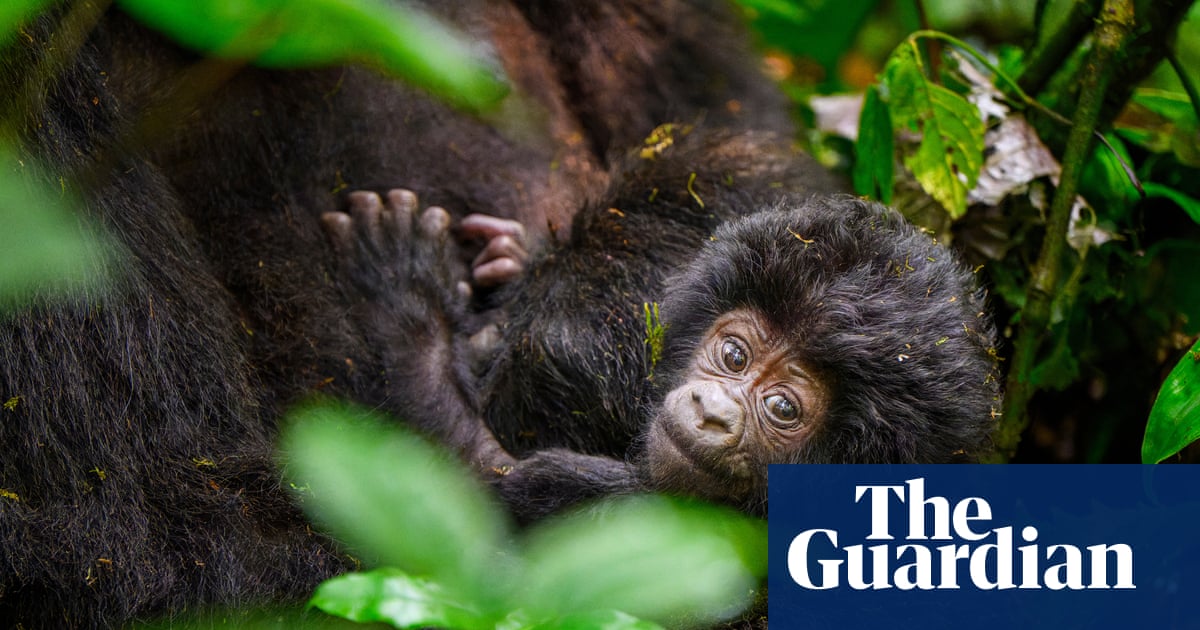
Yet, the census also captures stories of renewal. In the wake of such losses, new leaders emerge, and new generations are born. Today, the Nkuringo group continues under the guidance of silverbacks like Rwamutwe and Tabu. The sight of a newborn mountain gorilla—weighing barely 2kg at birth and depending entirely on its mother for warmth and food—symbolizes the resilience of the species. These births are the primary metric of success in the census, signaling that the environment is healthy enough to support new life.
Environmental Pressures and Human Coexistence
Bwindi Impenetrable National Park is one of Africa’s oldest and most biologically diverse rainforests, sheltering more than 400 species of plants. However, the park is not an isolated sanctuary; it is a living landscape shared with more than 50,000 people living along its borders. These communities depend on the same rainfall, fertile soils, and natural resources that sustain the forest ecosystem.
The pressure on the land is intense. Demand for agricultural land often leads to encroachment, while the need for firewood and forest resources can drive illegal entry into the park. Human-induced fires and the introduction of invasive exotic species further threaten the integrity of the canopy cover. Perhaps most concerning is the risk of human-wildlife disease transmission; because gorillas are so genetically similar to humans, a common respiratory infection can be catastrophic for a gorilla troop.
To combat these threats, Uganda has integrated tourism into its conservation model. By allowing a limited number of visitors to trek and view the gorillas, the park generates revenue that is reinvested into community development and park security. This creates a tangible link between the survival of the gorillas and the economic well-being of the local population. When the community sees the gorillas as an asset rather than a competitor for land, the incentive for poaching decreases.
The Broader Context of Primate Conservation
The mountain gorilla is a subspecies of the eastern gorilla, and its conservation journey is often cited as a global success story. For years, the species was listed as Critically Endangered. However, due to intensive conservation efforts across Uganda, Rwanda, and the DRC, the IUCN Red List updated the status of the mountain gorilla to Endangered, reflecting a significant increase in the total population.
Despite this improvement, the “island” nature of their habitat remains a critical vulnerability. If a disease outbreak or a natural disaster were to strike Bwindi or the Virunga volcanoes, the lack of connectivity between these forest patches would prevent the gorillas from migrating to safer areas. This makes the periodic census not just a counting exercise, but a strategic tool for planning “wildlife corridors” that could eventually link fragmented habitats.
The census also highlights the importance of international cooperation. Because the Virunga Massif spans three national borders, the survival of the mountain gorilla requires a synchronized effort between governments that may otherwise be in conflict. The shared goal of protecting these primates has often served as a rare point of diplomatic convergence in a volatile region.
Key Takeaways for Gorilla Conservation
- Population Monitoring: Periodic censuses track birth and death rates to assess the success of conservation programs.
- Habitat Protection: Bwindi is a UNESCO World Heritage site protecting over 400 plant species and a critical primate population.
- Human Impact: Over 50,000 people live on the borders of Bwindi, necessitating a balance between human needs and wildlife protection.
- Social Structure: The health of the population depends heavily on the stability of silverback leadership.
- Genetic Similarity: With over 98% shared DNA with humans, gorillas are highly susceptible to human diseases.
What Happens Next?
As the most recent census data is analyzed, park managers and international conservation organizations will use the findings to adjust their strategies for the coming year. The focus will likely remain on expanding community outreach to reduce encroachment and enhancing veterinary surveillance to prevent disease transmission.

The next official update on population trends is expected following the completion of the current data synthesis phase, which will provide a definitive count of the Bwindi population and identify any new family groups that have emerged in the unhabituated sectors of the park.
The story of the mountain gorilla is one of hope, but it is a hope that requires constant vigilance. From the smallest newborn to the most dominant silverback, every individual counted in the census represents a victory against extinction.
Do you believe community-led tourism is the best way to protect endangered species? Share your thoughts in the comments below or share this article to raise awareness for primate conservation.