
For years, the trajectory of wearable technology has been defined by a race toward larger, brighter, and more complex screens. From the first basic step counters to the modern smartwatch, the goal was to put more information directly on the wrist. However, a growing segment of users is experiencing “screen fatigue,” seeking the benefits of health tracking without the constant distraction of notifications and glowing displays.
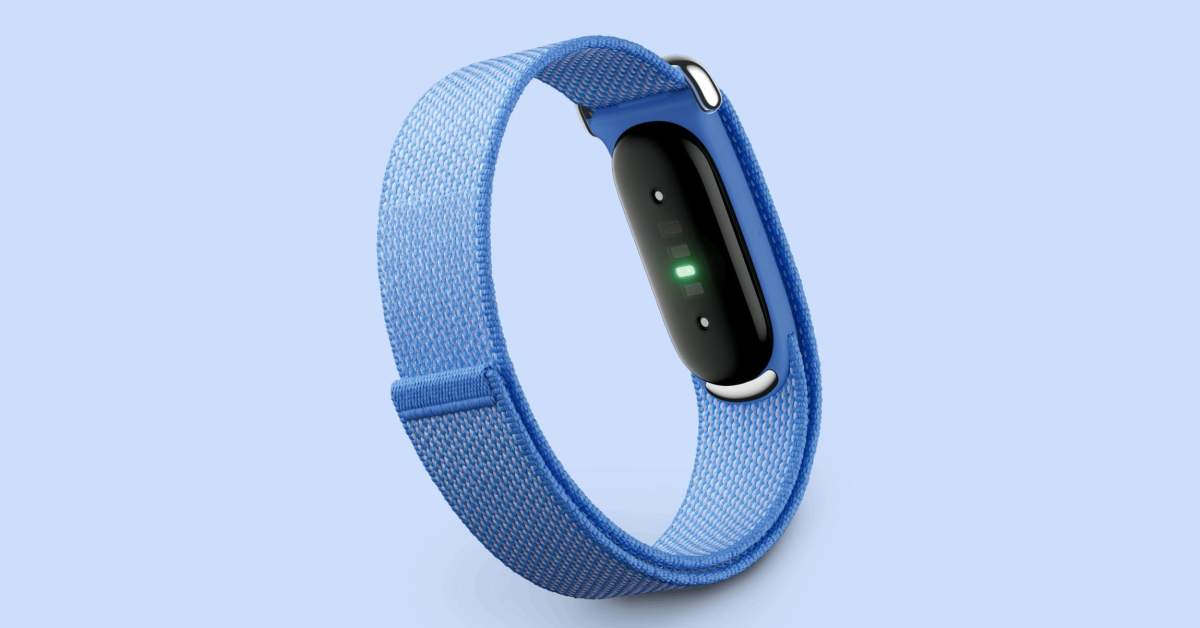
Google is addressing this shift with the launch of the Fitbit Air, a screen-less fitness band designed to fade into the background of a user’s life while maintaining a rigorous level of health monitoring. By stripping away the display, Google has pivoted toward a “passive” wearable experience—one that prioritizes biometric data collection over immediate interaction.
For those looking to jump into this new ecosystem, the timing is ideal. As the device enters its pre-order phase, several retail options have emerged to sweeten the deal. If you are searching for the best Fitbit Air deal, the current offerings provide a variety of bonuses depending on where you choose to purchase, though the base pricing remains consistent across major platforms.
Breaking Down the Best Fitbit Air Deal
Currently, there are no direct discounts on the hardware itself for the Fitbit Air. Whether you shop through Google, Amazon, or Best Buy, the pricing is standardized: the regular model is priced at $99, while the Steph Curry special edition is available for $129.

The real value lies in the pre-order bonuses, which vary by retailer. For users who prefer a direct relationship with the manufacturer, pre-ordering through the Google Store provides a $35 Google Store credit. This credit is versatile; while it can be used for any product in the store, it is specifically designed to cover the cost of an Active Band or a Performance Loop Band. For those eyeing the more premium Elevated Modern Band, the credit will cover a significant portion of the cost.

Alternatively, those who prefer the convenience of Amazon or Best Buy will receive a free Active Band included directly with their pre-order. While this lacks the flexibility of a store credit, it provides an immediate accessory for the device. Shoppers at these retailers should be mindful to select their preferred color combinations during the checkout process to ensure the bonus band matches their style.
Beyond the hardware bonuses, Google is incentivizing the adoption of its software ecosystem. Every pre-order of the Fitbit Air comes with three months of Google Health Premium for free, granting users immediate access to advanced analytics and the AI-driven Google Health Coach.
The Philosophy of a Screen-less Wearable
The Fitbit Air represents a strategic departure from the traditional smartwatch. By removing the screen, Google has created a device that is intended to be worn, and forgotten. This design philosophy is similar to other screen-less trackers, such as those from WHOOP, but the Fitbit Air distinguishes itself by being less reliant on a mandatory subscription model for basic functionality.
From a technical perspective, the absence of a screen allows for a more streamlined form factor and potentially better battery efficiency, as the display is typically the most power-hungry component of a wearable. The device is designed to stay out of the way, capturing data in the background and syncing it to a smartphone for review, thereby reducing the cognitive load and digital distractions associated with wrist-based notifications.
The hardware is also designed for versatility. The tracker utilizes a magnetic attachment system, allowing users to pop the sensor module into different bands effortlessly. This makes it significantly easier to transition from a gym-ready performance loop to a more professional look for the office compared to traditional trackers that require tedious strap replacements.
Health Tracking and the Google Health Ecosystem
Despite its minimalist exterior, the Fitbit Air is packed with high-fidelity sensors. It tracks a comprehensive suite of health metrics, including 24/7 heart rate, heart rate variability (HRV), sleep patterns, and menstrual cycles. For athletes and fitness enthusiasts, the device monitors cardio load and “readiness,” a metric that helps users determine if their body is recovered enough for a high-intensity workout or if it requires a rest day.
The data collected by the Fitbit Air is housed in the newly overhauled Google Health app. This app is a complete transformation of the previous Fitbit app, redesigned to serve as a centralized hub for all Google-integrated health data. The app is compatible with both Android and iOS, ensuring a broad reach across the global smartphone market.
For those who opt for the Google Health Premium subscription, the experience is further enhanced by the Google Health Coach. This premium feature leverages AI to provide personalized guidance, helping users interpret their biometric data and offering actionable advice to improve their overall wellness journey. By combining raw data—like HRV and sleep stages—with AI coaching, Google is attempting to move from simple data reporting to proactive health management.
What So for the Wearable Market
The launch of the Fitbit Air signals a maturing market where “less is more.” For years, the industry assumed that more features and more screens equaled more value. However, the rise of mindful tech and digital wellness suggests that consumers are increasingly wary of “another screen to consume our days.”

By offering a reasonably priced, screen-free alternative that still provides professional-grade health metrics, Google is positioning itself to capture a demographic that finds the Apple Watch or Pixel Watch too intrusive. The focus here is on the “invisible” nature of the technology—the idea that the best technology is the kind that supports you without demanding your attention.
The integration of the Google Health app also suggests a larger move toward a unified health identity. As Google continues to merge Fitbit’s legacy with its own health initiatives, the Fitbit Air serves as a lightweight entry point into a much larger ecosystem of AI-driven wellness.
As pre-orders continue, the next major checkpoint will be the official shipping date and the subsequent rollout of the full Google Health app update to the general public. Users are encouraged to monitor the Google Store and authorized retail partners for shipping timelines and any additional software feature announcements.
Do you prefer the versatility of a smartwatch or the minimalism of a screen-less tracker? Share your thoughts in the comments below or join the conversation on our social channels.