
Jonathan Reed, Editor, News
Israeli Prime Minister Benjamin Netanyahu has declared the conflict with Iran “not over,” insisting that nuclear material, enrichment sites, and proxy threats remain unresolved despite ongoing diplomatic efforts. In a taped interview with CBS’s *60 Minutes* aired Sunday night, Netanyahu warned that “there is still nuclear material, enriched uranium that has to be taken out of Iran,” and that military action—including potential U.S. Involvement—could be required to secure it.
Netanyahu’s comments come as U.S. President Donald Trump rejects a latest Iranian counteroffer to end the war, according to Iranian state media. The standoff has sent global energy markets into turmoil, with the closure of the Strait of Hormuz by Iranian forces contributing to surging oil prices. Meanwhile, Iranian President Masoud Pezeshkian reaffirmed Tehran’s stance on X (formerly Twitter), stating that negotiations would not equate to surrender but rather a defense of “national interests with resolute strength.”
The interview underscores deep divisions between Washington and Tehran, with Netanyahu explicitly linking Trump’s reported willingness to “go in” to Iran to retrieve nuclear material. While the U.S. Has not confirmed Trump’s alleged remarks, Netanyahu’s framing reflects a hardening of Israel’s position: that diplomatic talks must be paired with tangible disarmament. Analysts warn the impasse risks prolonging regional instability, with global energy markets already bracing for further volatility.
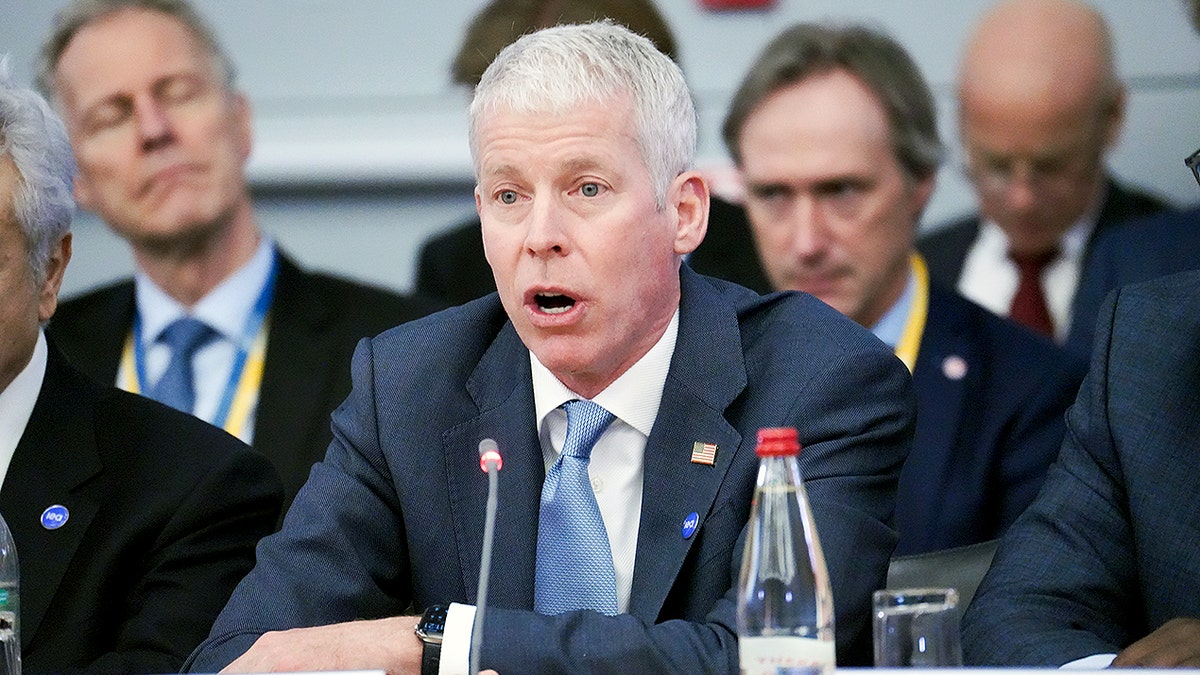
Netanyahu’s remarks were released ahead of Trump’s upcoming trip to China, where he is expected to meet with Chinese President Xi Jinping. The visit coincides with heightened tensions in the Middle East, as Iran’s closure of the Strait of Hormuz has disrupted maritime trade routes critical to global oil supplies. U.S. Energy Secretary Christopher Wright told NBC’s *Meet the Press* on Sunday that the Trump administration had not yet received a “clear resolution” from Iran, signaling skepticism about the latest proposal.
Netanyahu: Nuclear Material and Proxy Threats Remain Unresolved
In the *60 Minutes* interview, Netanyahu outlined three core unresolved issues:

- Nuclear material and enrichment sites: Netanyahu stated that “there is still nuclear material, enriched uranium that has to be taken out of Iran.” When pressed on how this might be achieved, he replied, “You go in, and you take it out,” a remark that suggests military intervention could be on the table.
- Proxy networks: He acknowledged that while Israel has “degraded” Iran’s proxy capabilities, “You’ll see still proxies that Iran supports” in the region.
- Ballistic missile programs: Netanyahu warned that Iran continues to pursue ballistic missile development, despite previous strikes on its facilities.
Asked whether the U.S. Would use military force to remove nuclear material, Netanyahu declined to specify methods but indicated Trump had conveyed support for such action. “I’m not going to talk about military means,” he said. “I think it can be done physically.”
Trump Rejects Iranian Counteroffer; Diplomacy at a Standstill
Iranian state media reported Sunday that Tehran had submitted a counteroffer to the U.S. Proposal aimed at ending the conflict. However, Trump rejected the response, according to multiple reports, including from The Wall Street Journal. The exact terms of Iran’s proposal remain undisclosed, but Iranian President Masoud Pezeshkian’s post on X (formerly Twitter) framed the negotiations as a matter of defending “national interests” rather than capitulation.
“We will never bow our heads before the enemy, and if talk of dialogue or negotiation arises, it does not mean surrender or retreat. Rather, the goal is to uphold the rights of the Iranian nation and to defend national interests with resolute strength.”
U.S. Energy Secretary Christopher Wright echoed the administration’s cautious stance, telling NBC’s *Meet the Press* that “we haven’t yet heard a clear resolution from Iran.” The lack of progress in negotiations has left markets on edge, with oil prices climbing as traders anticipate further disruptions to shipping lanes in the Strait of Hormuz.
Global Energy Markets Brace for Prolonged Disruption
The closure of the Strait of Hormuz—through which roughly 20% of the world’s oil supply transits—has sent shockwaves through global energy markets. According to the International Energy Agency (IEA), prices have risen by over 12% in the past week alone, with gasoline costs in the U.S. Reaching their highest levels since 2022. The IEA warned that if the blockade persists, “supply chain bottlenecks could trigger a second-tier energy crisis, particularly in Asia and Europe.”
China, a major importer of Middle Eastern oil, has reportedly increased strategic petroleum reserves in anticipation of further shortages. Trump’s upcoming meeting with Chinese President Xi Jinping may address energy security, though analysts suggest Beijing is unlikely to pressure Iran directly given its economic ties to Tehran.
What Happens Next? Key Checkpoints
With no immediate breakthrough in negotiations, several critical developments are expected in the coming days:
- Trump-Xi Jinping Summit (May 13–14, 2026): The meeting in Beijing could explore joint pressure on Iran, though China’s neutral stance complicates prospects for a unified front.
- U.S. Military Posture in the Region: Reports suggest the U.S. Has deployed additional naval assets to the Persian Gulf, though no official confirmation has been issued.
- Iranian Domestic Politics: Pezeshkian’s hardline rhetoric may reflect internal pressures, with hardliners in Tehran opposing concessions to the U.S.
- Energy Market Reactions: The IEA will release an emergency assessment on May 15, evaluating potential long-term supply disruptions.
About the Author
Jonathan Reed is a veteran investigative journalist with 16+ years covering international affairs. His work has earned the British Press Award for Investigative Reporting (2022) and is recognized for its rigor in geopolitical analysis. Reed holds an MA in International Journalism from City, University of London, and is a member of the International Press Institute.
What do you think? Should diplomacy take precedence over military threats in resolving the Iran conflict? Share your insights in the comments below.
For real-time updates, follow World Today Journal or subscribe to our newsletter for exclusive analysis.
Key Takeaways
- Netanyahu insists the Iran conflict is unresolved, citing nuclear material, proxy threats, and missile programs as ongoing risks.
- Trump has rejected Iran’s latest counteroffer, with U.S. Officials expressing skepticism about Tehran’s intentions.
- Global oil prices have surged due to Iran’s closure of the Strait of Hormuz, with potential long-term supply disruptions looming.
- Trump’s China visit may address energy security but is unlikely to yield immediate diplomatic breakthroughs.
- Iranian President Pezeshkian’s hardline stance suggests internal divisions over negotiations with the U.S.
Keep reading
- Iconic 1900s Buenos Aires Building Converted Into Luxury Apartments Over $10,000 per m²
- NHL Ice Hockey Season: Live Scores and Match Schedules
- Europe Wildfires: Latest Updates and Impact Across France, Greece, and Spain (archynewsy.com)
- The Senate Blue Slip, Explained: The Custom Trump Wants Gone (daybreakwire.com)