
For years, the smartphone upgrade cycle followed a predictable, expensive rhythm: buy the latest flagship, use it for two years, and trade it in before the battery degraded or the software lagged. However, as we move through 2026, a significant shift in consumer behavior is emerging. The “newest is best” mantra is being replaced by a more calculated approach to value, where savvy buyers are looking backward to move forward.
Among the options currently flooding the secondary and discounted markets, one device stands out as a masterclass in longevity: the Google Pixel 8 Pro. While the industry continues to push the boundaries of folding screens and generative AI integration, the hardware and software synergy of this particular flagship have aged remarkably well, making it one of the most compelling value propositions for those seeking premium performance without the premium price tag.
The appeal of the Pixel 8 Pro in 2026 isn’t just about a lower price point; it is about the narrowing gap between “last-gen” and “current-gen” technology. As chipsets hit a plateau of efficiency and camera sensors reach a point of diminishing returns for the average user, the distinction between a three-year-old flagship and a brand-new mid-range device has become thinner than ever. For many, the choice is now between a compromise in build quality or a slight compromise in processing speed.
The Software Safety Net: Seven Years of Support
The primary reason the Pixel 8 Pro remains a viable, high-performance tool in 2026 is Google’s landmark commitment to software longevity. When the device launched, Google announced a promise to provide seven years of OS, security, and Feature Drop updates. This was a pivotal moment for the industry, effectively decoupling the lifespan of the hardware from the lifespan of the software.
Because this device is still well within its official support window, owners are receiving the same critical security patches and many of the same AI-driven feature updates as users of newer models. This eliminates the primary fear associated with buying older hardware: the “obsolescence cliff” where a phone suddenly stops supporting essential apps or becomes vulnerable to security threats. By ensuring the Pixel software updates continue to flow, Google transformed the Pixel 8 Pro from a disposable gadget into a long-term investment.
This extended support window also means that the integration of Google’s AI ecosystem—including advanced photo editing tools and smart assistant capabilities—continues to evolve on the device. Rather than needing a new processor to access the latest software refinements, the Pixel 8 Pro leverages cloud-based processing and optimized on-device models to keep the user experience fresh.
Flagship Hardware vs. Mid-Range Compromises
When shopping for a smartphone in the sub-400 dollar range, consumers typically face a difficult choice: a new mid-range “A-series” or budget device, or a pre-owned flagship. In 2026, the Pixel 8 Pro demonstrates why the latter is often the smarter move.
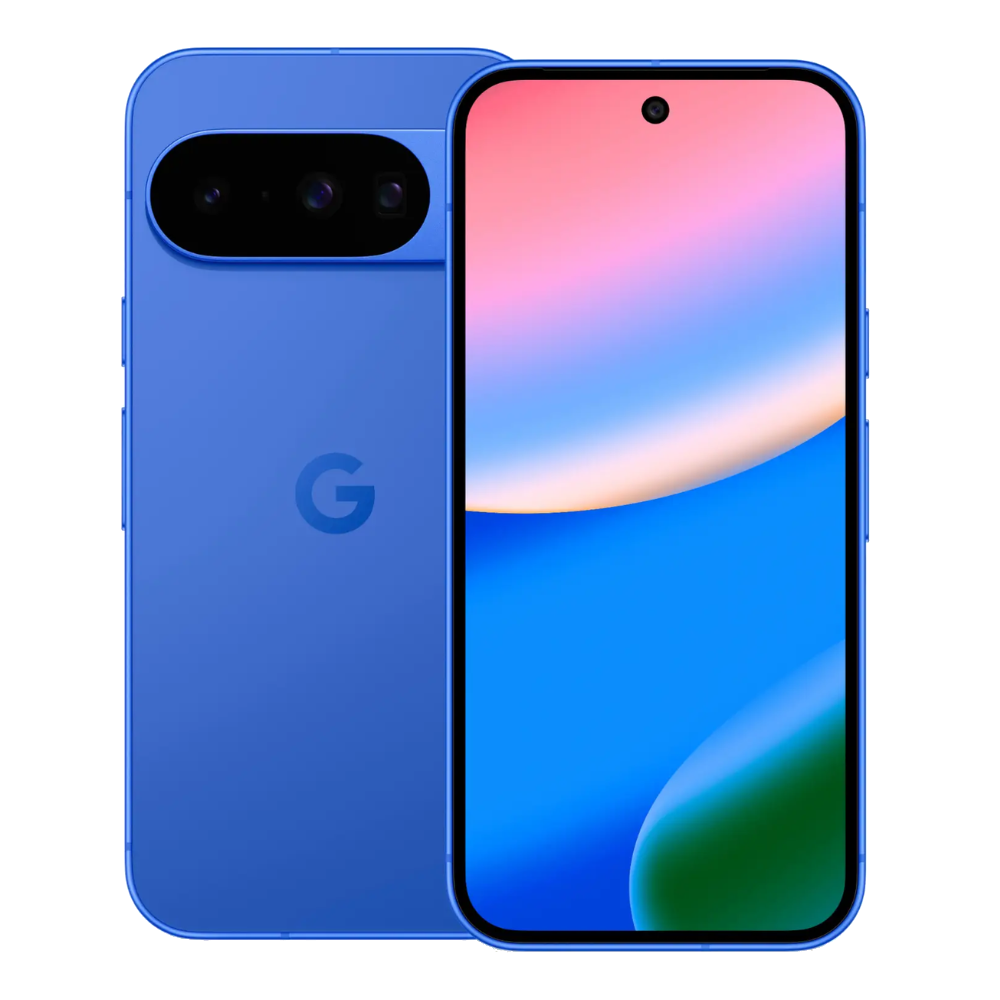
A mid-range phone typically makes concessions in three key areas: display quality, camera versatility, and build materials. The Pixel 8 Pro, conversely, was designed as a “no-compromise” device. Its LTPO OLED display provides a level of brightness and color accuracy that budget panels simply cannot match, regardless of the year they were manufactured. The tactile feel of polished glass and aluminum remains superior to the plastics often found in modern budget offerings.
The camera system is where the value gap is most evident. The Pixel 8 Pro’s triple-lens array—featuring a high-resolution main sensor, an ultrawide, and a dedicated telephoto lens—offers a level of versatility that mid-range phones still struggle to replicate. While newer budget phones may boast high megapixel counts, they often lack the sophisticated image processing and optical zoom capabilities that defined the Pixel 8 Pro’s flagship status.
Comparing the Value Proposition
| Feature | Older Flagship (Pixel 8 Pro) | New Mid-Range Device |
|---|---|---|
| Build Quality | Premium Glass/Metal | Often Plastic/Composite |
| Display | LTPO OLED (High Brightness) | Standard AMOLED/LCD |
| Camera | Full Array (incl. Optical Telephoto) | Limited (often lacking Telephoto) |
| Software | Extended Official Support | Standard Support Cycle |
The Economic Logic of the “Smart Buy”
From a financial perspective, the depreciation curve of flagship smartphones has created a unique window for consumers. The steepest drop in value occurs within the first 24 months. By 2026, the Pixel 8 Pro has moved past this volatility, settling into a price bracket that is accessible to a much wider global audience while retaining the vast majority of its original utility.
This trend is partly driven by the rise of the refurbished market. With professional certification and warranties now common for pre-owned devices, the risk associated with buying “used” has plummeted. For a user who does not require the absolute bleeding edge of mobile processing power—such as those who primarily use their phones for communication, social media, photography, and productivity—the marginal gains of a 2026 flagship do not justify the significant price increase over a well-maintained Pixel 8 Pro.
the Tensor G3 chipset, while not the fastest on the market today, remains more than capable of handling modern multitasking. The bottleneck for most users is rarely the raw CPU speed, but rather the software optimization and battery efficiency, both of which have been refined through years of Google’s iterative updates.
Practical Considerations for Buyers
While the value is undeniable, purchasing an older flagship requires a different strategy than buying a brand-new device. To maximize the investment, potential buyers should focus on a few key metrics:
- Battery Health: Since batteries degrade over time, buyers should check the cycle count or battery health percentage. Replacing a battery is a low-cost way to effectively “reset” the hardware’s lifespan.
- Storage Needs: In 2026, app sizes and high-resolution media occupy more space than they did in 2023. Opting for higher storage tiers of the Pixel 8 Pro is recommended to ensure the device remains usable for several more years.
- Verification of Origin: When purchasing from secondary markets, ensuring the device is unlocked and not tied to a specific carrier is essential for global usability.
By focusing on these details, the Pixel 8 Pro ceases to be a “used phone” and becomes a strategic acquisition—a device that provides 90% of the experience of a current flagship at a fraction of the cost.
The evolution of the smartphone market has reached a point where the most “innovative” thing a consumer can do is stop chasing the annual release cycle. The Google Pixel 8 Pro serves as a reminder that quality engineering and long-term software support create a value that lasts far beyond the initial launch window.
As we look forward, the next major checkpoint for this device will be the arrival of the next major Android OS update, which will further test the limits of the Tensor G3’s capabilities. We will continue to monitor how these extended support promises hold up in real-world performance.
Do you think the era of the annual upgrade is over? Have you switched to older flagships to save money? Share your experiences in the comments below.