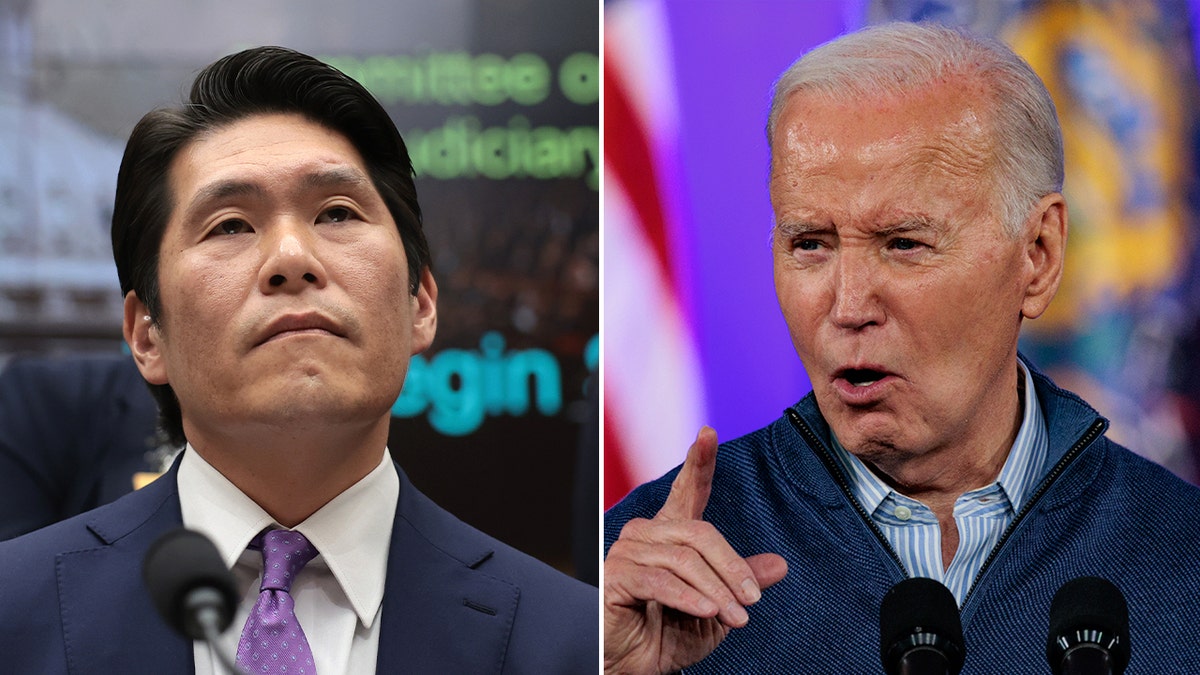
Legal representatives for former President Joe Biden are moving to prevent the U.S. Department of Justice (DOJ) from releasing redacted audio recordings and written transcripts of interviews conducted in 2017 with a book ghostwriter. The dispute centers on materials obtained during a high-profile federal investigation, sparking a legal battle over transparency, privacy, and the scope of the Freedom of Information Act (FOIA).
The push to block the release comes as the DOJ prepares to disclose materials related to the preparation of Biden’s 2017 memoir, “Promise Me, Dad: A Year of Hope, Hardship, and Purpose.” These recordings became a point of contention after they were acquired by Special Counsel Robert Hur as part of his investigation into the handling of classified documents. The current legal struggle is the result of a FOIA request filed by Mike Howell of the Heritage Foundation, a conservative think tank.
At the heart of the matter is a tension between the public’s right to access government records and the privacy interests of a former head of state. The DOJ has indicated it does not oppose Biden’s attempt to intervene in the lawsuit, suggesting a complex internal navigation of legal obligations and political sensitivities. If the intervention is successful, the disclosure of what is described as 70 hours of redacted recordings could be significantly delayed.
This legal maneuver highlights the ongoing friction surrounding the Robert Hur probe and the subsequent release of information regarding Biden’s cognitive state and memory, which were central themes in the Special Counsel’s final report. The ghostwriter tapes are viewed by some as a critical window into the former president’s recollections and communication style during a period of significant personal and political transition.
The Legal Mechanism: FOIA and Third-Party Intervention
The current conflict is rooted in the Freedom of Information Act (FOIA), a federal law that allows citizens to request access to records from federal agencies. In this instance, Mike Howell of the Heritage Foundation requested materials that the DOJ possesses regarding Joe Biden’s 2017 interactions with his ghostwriter. Under FOIA, agencies are generally required to disclose records unless they fall under specific exemptions, such as those protecting personal privacy or national security.
Because the records involve a third party—Joe Biden—the legal process allows for “intervention.” Intervention is a procedural move where a person or entity who is not an original party to a lawsuit asks the court to let them join the case because the outcome may affect their interests. In a court filing, Assistant Attorney General for the Civil Division Brett Shumate confirmed that Biden, through his counsel, has advised the Department of Justice of his intent to seek intervention to prevent the disclosure of the audio, and transcripts.

The DOJ’s stance—that it does not oppose this intervention—is a notable detail. Typically, the government may fight or support a third party’s entry into a case based on the strength of the privacy claim. By not opposing the move, the DOJ is effectively allowing the court to weigh Biden’s privacy rights against the FOIA requester’s right to information, rather than the agency itself taking a hard line on the release.
The process of “redaction” is also central to this dispute. Redaction involves blacking out or removing sensitive information from a document or audio clip before it is released to the public. The DOJ had already planned to release the materials with redactions, but Biden’s legal team is challenging the release entirely, suggesting that even redacted versions may infringe upon protected interests.
The Origins of the ‘Promise Me, Dad’ Tapes
The audio recordings in question date back to 2017, during the period when Joe Biden was working on his book, “Promise Me, Dad: A Year of Hope, Hardship, and Purpose.” The memoir focuses on the final year of his son Beau Biden’s life, detailing the family’s struggle with brain cancer and the themes of grief and resilience. To produce the book, Biden engaged in extensive interviews with a ghostwriter, who recorded the sessions to ensure accuracy and narrative flow.
These recordings remained private until they were obtained by Special Counsel Robert Hur. Hur’s investigation was tasked with determining whether Joe Biden had willfully retained classified documents after his vice presidency. As part of this probe, the Special Counsel sought materials that could provide insight into Biden’s memory and his handling of sensitive information. The 2017 ghostwriter tapes provided a baseline of Biden’s recollections and verbal patterns from several years prior to the investigation.
The intersection of a personal memoir and a criminal investigation has created a unique legal vulnerability. While the interviews were intended for a commercial book, the fact that they were seized or voluntarily provided to the DOJ means they are now “agency records” subject to FOIA requests. This transformation of private conversations into government records is what has allowed the Heritage Foundation to pursue them through the courts.
The sheer volume of the material—approximately 70 hours—makes the task of redaction an immense undertaking. Legal teams must review every minute of audio to ensure that no classified information, private details of other citizens, or privileged communications are inadvertently released. This logistical burden often contributes to the delays seen in high-profile FOIA cases.
Impact of the Robert Hur Investigation
The significance of these tapes cannot be separated from the broader context of the Robert Hur investigation. When the Special Counsel released his final report, it sparked intense national debate not only over the legal findings regarding classified documents but also over Hur’s descriptions of the president’s memory and mental acuity.
Critics and political opponents have argued that the ghostwriter tapes could provide further evidence regarding the president’s cognitive state. Conversely, supporters argue that the tapes are private reflections during a time of intense family mourning and that their release would be an invasive political stunt rather than a pursuit of transparency.
The legal battle over the tapes is therefore more than a procedural dispute; it is a fight over the narrative of Joe Biden’s capability and transparency. By fighting the release, Biden’s legal team is attempting to prevent the “weaponization” of private conversations that were never intended for public or political scrutiny. The intervention seeks to establish that the privacy of the individual outweighs the curiosity of a political organization, even when the records are held by the government.
the case touches upon the concept of executive privilege, although the recordings were made while Biden was a private citizen, not while he was in office. This distinction is crucial, as traditional executive privilege applies to communications made in the course of official presidential duties. Instead, the legal arguments are more likely to rely on the “privacy exemption” of FOIA, which protects information that would constitute a clearly unwarranted invasion of personal privacy.
What Happens Next: Deadlines and Legal Checkpoints
The timeline for the release of these materials is now tied to specific court deadlines. According to recent filings, there was a Tuesday deadline for Biden’s lawyers to formally respond to the DOJ’s plan to release the materials. Because the legal team has indicated its intent to intervene, the process has shifted.
Assistant Attorney General Brett Shumate noted in the court filings that if Biden formally objects before the deadline, the release of the 70 hours of redacted recordings would be delayed until June 15. This window provides the court time to determine whether the intervention is granted and, if so, to rule on the merits of whether the audio should be released at all or if further redactions are required.
The court will likely consider several factors in its decision:
- The Nature of the Privacy Interest: Does the content of the tapes involve deeply personal family matters (such as the death of Beau Biden) that warrant protection?
- The Public Interest: Is there a compelling public need to know the contents of these 2017 interviews that outweighs the privacy concerns?
- The Adequacy of Redactions: Can the DOJ effectively remove all sensitive information, or is the audio inherently too personal to be released in any form?
If the court denies the intervention, the DOJ may proceed with the release of the redacted materials as originally planned. If the intervention is granted, the case will move into a more protracted phase of litigation where Biden’s lawyers can argue directly against the disclosure of specific segments of the audio.
For those following the case, the next critical checkpoint is the formal ruling on the intervention request and the subsequent June 15 deadline. These developments will determine whether the public ever hears the raw audio of the conversations that shaped one of the most personal memoirs of a modern American political figure.
We invite our readers to share their thoughts on the balance between political transparency and personal privacy in the comments below. Stay tuned to World Today Journal for further updates on this developing legal story.
Keep reading
- BCV Dollar Today in Venezuela: Official Exchange Rate for August 13, 2026
- Plumber Heating Engineer Job: Hiring Experienced M/F Professional
- Dawn of War 4 Release Date Delayed: What to Expect from the Refining Process – Warhammer 40k Strategy Game Update” “Dawn of War 4 Launch Delayed: How the Game’s Delay Will Affect Fans – Warhammer 40k Strategy Game News” “Warhammer 40k Strategy Game Dawn of War 4 Delayed to Refine Experience Ahead of Release – Gaming News Update” “Dawn of War 4 Delayed: What the Delay Means for the Upcoming Warhammer 40k Game – Strategy Game Release News (archyworldys.com)