
For many men, the battle against the scale is a lonely, grueling war fought in the sterile environment of a gym or through the restrictive silence of a fad diet. The lack of camaraderie and the monotony of the treadmill often lead to a cycle of temporary success followed by inevitable relapse. However, a unique approach to fitness is gaining traction across the United States, transforming the struggle for health into a competitive team sport.
Man v Fat Soccer is not your typical amateur league. While the game played on the pitch is traditional football, the true competition happens on the weighing scales. By gamifying weight loss through a promotion and relegation system—mimicking the structure of professional European football leagues—the program is helping men in cities from New York to Miami find a sustainable path to health through the power of community and competition.
As a sports editor who has spent over 13 years analyzing match tactics and athlete performance, I have seen countless fitness trends come and go. But the brilliance of Man v Fat Soccer lies in its psychological pivot: it shifts the focus from the dread of losing weight to the excitement of winning a promotion. It treats weight loss not as a medical chore, but as a sporting achievement.
How Man v Fat Works: The Gamification of Weight Loss
The core philosophy of Man v Fat Soccer is simple: the more weight you lose, the “better” your league status becomes. Unlike traditional sports where the most athletic players start at the top, this system is designed to reward progress and effort regardless of the starting point.
When a participant joins the league, they are placed into a specific weight tier based on their initial weigh-in. These tiers act as divisions. The goal is not necessarily to win the match on the field—though that is a welcome bonus—but to lose enough weight to be “promoted” to a lower weight division. This creates a powerful incentive structure where the scale becomes the primary scoreboard.
Weekly weigh-ins are the heartbeat of the program. These sessions serve two purposes: they track the physical progress of the players and reinforce the social bonds of the group. When a player hits a weight milestone and earns a promotion, it is celebrated by the entire league, turning a personal health victory into a shared team success. This structure directly addresses one of the biggest hurdles in weight management: the lack of immediate, tangible rewards.
The program operates on a global model that first found success in the United Kingdom before expanding into the U.S. Market. By utilizing the official Man v Fat framework, local organizers can implement a standardized system of weight tiers and league management that ensures fairness and consistency across different cities.
The Psychology of the Pitch: Why Community Beats the Gym
From a journalistic perspective, the most compelling aspect of this movement is its impact on mental health. For many men, admitting a struggle with weight can be a point of vulnerability or shame. The “Man v Fat” branding leans into a confrontational, competitive spirit—positioning the fat as the opponent—which makes the process of seeking help feel like a challenge rather than a confession.
The social architecture of the league provides a support system that is often missing in solo fitness journeys. In a gym, you are surrounded by strangers; in a soccer league, you have teammates who are fighting the same battle. This camaraderie creates a level of accountability that is difficult to replicate. When a player knows their teammates are counting on them to show up for the game, they are far more likely to stick to their diet and exercise routine throughout the week.
soccer is an ideal vehicle for this transformation. It provides a high-intensity cardiovascular workout that burns significant calories, but because it is a game, the “work” feels like play. The focus on the ball, the strategy of the match, and the joy of scoring a goal distract the mind from the physical exertion, allowing participants to push themselves further than they would during a solitary jog.
Addressing the U.S. Obesity Crisis Through Sport
The expansion of Man v Fat Soccer into the United States comes at a critical time. The U.S. Is currently facing a public health emergency regarding weight management and metabolic health. According to data from the Centers for Disease Control and Prevention (CDC), the prevalence of obesity in the United States is significantly high, affecting a vast portion of the adult population and contributing to chronic conditions such as type 2 diabetes and heart disease.
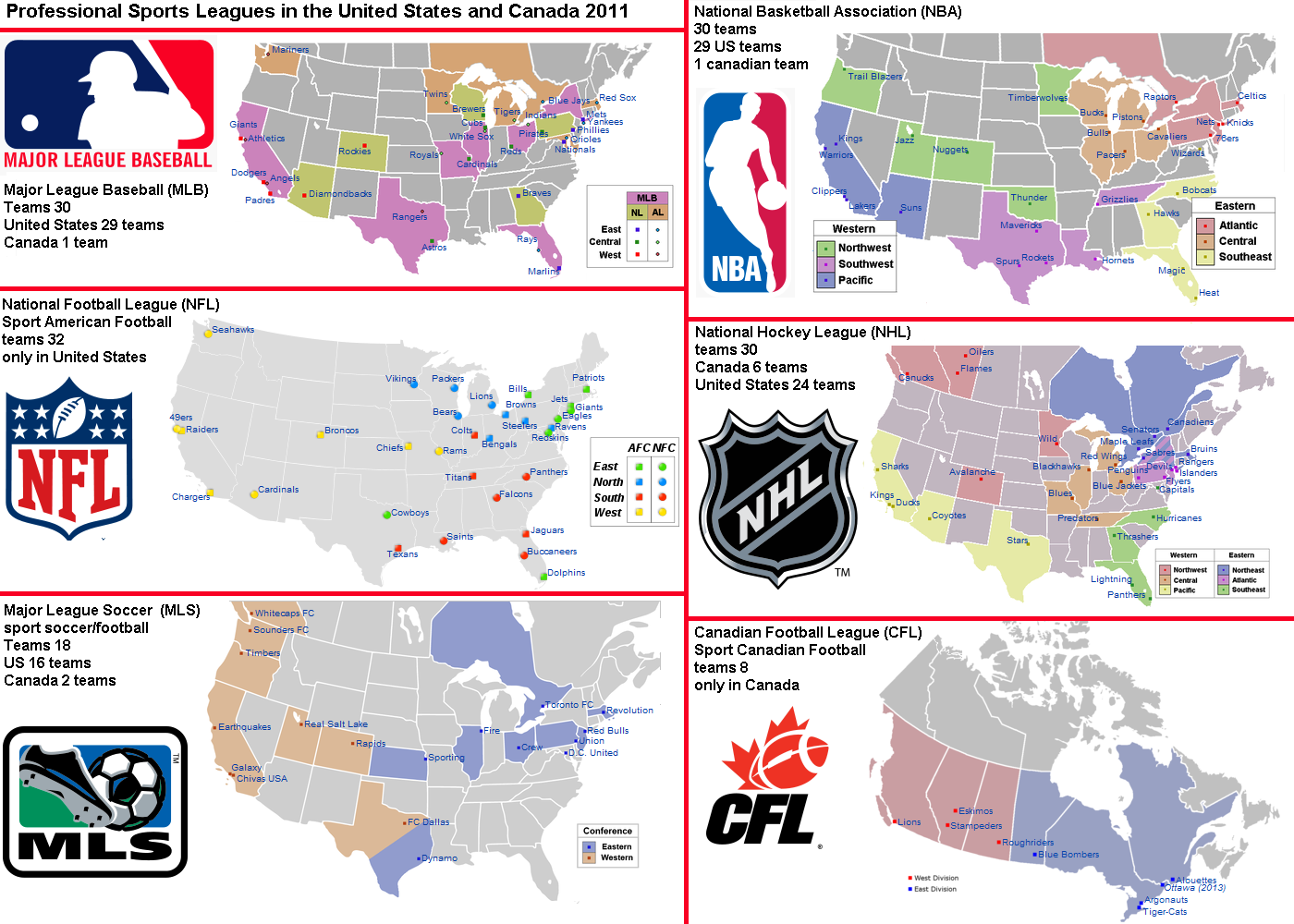
The program has established a presence in several key regions, including New York, Florida, Pennsylvania, and Texas. These areas often represent hubs where urban lifestyles and sedentary work environments contribute to weight gain. By integrating health interventions into the local sports culture, Man v Fat is meeting people where they are—on the pitch.
This approach is particularly effective in the U.S., where “sports culture” is a dominant social force. By framing weight loss as a “league” with “divisions” and “promotions,” the program speaks a language that American sports fans understand and respect. It transforms the clinical goal of “reducing BMI” into the athletic goal of “climbing the ranks.”
Practical Impact and Long-Term Sustainability
One of the most common failures of weight loss programs is the “yo-yo” effect, where individuals lose weight rapidly through extreme measures only to regain it once the program ends. Man v Fat Soccer mitigates this risk by focusing on sustainable lifestyle changes and long-term social integration.
Because the league operates on a seasonal and ongoing basis, it encourages participants to maintain their weight loss to stay in their new, lower division. The desire to maintain status within the group acts as a psychological anchor, preventing the slide back into old habits. The program does not rely on “crash diets” but rather on the consistent combination of aerobic exercise and the motivational support of a peer group.
the physical benefits extend beyond the scale. Participants often report improvements in blood pressure, sleep quality, and overall energy levels. As a sports editor, I’ve noted that the players in these leagues often develop a renewed passion for the game itself, rediscovering the joy of soccer that many leave behind after high school or college.
Key Takeaways of the Man v Fat Model
- Gamified Progress: Uses a promotion and relegation system based on weight loss to motivate players.
- Community Support: Replaces the isolation of the gym with the camaraderie of a sports team.
- Sustainable Health: Focuses on long-term lifestyle changes rather than short-term restrictive dieting.
- Psychological Shift: Frames weight loss as a competitive challenge (“Man v Fat”) rather than a medical failure.
- Accessibility: Open to men of all skill levels, focusing on health outcomes over athletic prowess.
Who Can Join and What to Expect
For those considering joining a Man v Fat league, the barrier to entry is intentionally low. The program is designed for men who may not have played soccer in years, or perhaps never have. The focus is on participation and progress, not elite skill. The only requirement is a willingness to be weighed and a commitment to the team.
New participants can expect a welcoming environment where the shared struggle is the primary bond. The initial weigh-in determines the starting league, and from there, the journey begins. Players are encouraged to track their progress and support their teammates, creating a positive feedback loop that reinforces healthy behaviors.
While the program is primarily branded for men, the success of this model has sparked similar conversations about creating inclusive, weight-loss-focused sports leagues for all demographics. The fundamental truth remains: people are more likely to achieve their goals when they are doing it for a team.
The Future of Community-Based Fitness
The success of Man v Fat Soccer in the U.S. Suggests a broader shift in how we approach public health. We are moving away from the “doctor-patient” model of weight loss toward a “coach-athlete” model. By leveraging the innate human desire for competition and belonging, these leagues are proving that the most effective way to fight obesity is to make the fight enjoyable.
As these leagues continue to grow in states like Texas and Florida, the potential for scalability is enormous. Imagine a national network of weight-loss leagues where cities compete not just on the pitch, but in total pounds lost. The potential for positive social impact is staggering.
From my desk in Lisbon, I see the global passion for football as the world’s most powerful unifying force. Seeing that passion harnessed to solve a critical health crisis in the United States is inspiring. It proves that soccer is more than just a game—it can be a lifeline.
For those looking for more information on how to find a local league or to start one in their own city, the best point of contact is the official league organizers through their verified web portals. As the program continues to expand, more cities are expected to announce launch dates for new seasons.
The next major milestone for the program will be the conclusion of the current seasonal cycles, where the final “promotions” will be announced and total weight loss statistics for the U.S. Regions will be tallied. We will continue to monitor these developments as the league grows.
Do you think gamifying health is the key to fighting obesity? Have you tried a community-based fitness program? Share your thoughts and experiences in the comments below.