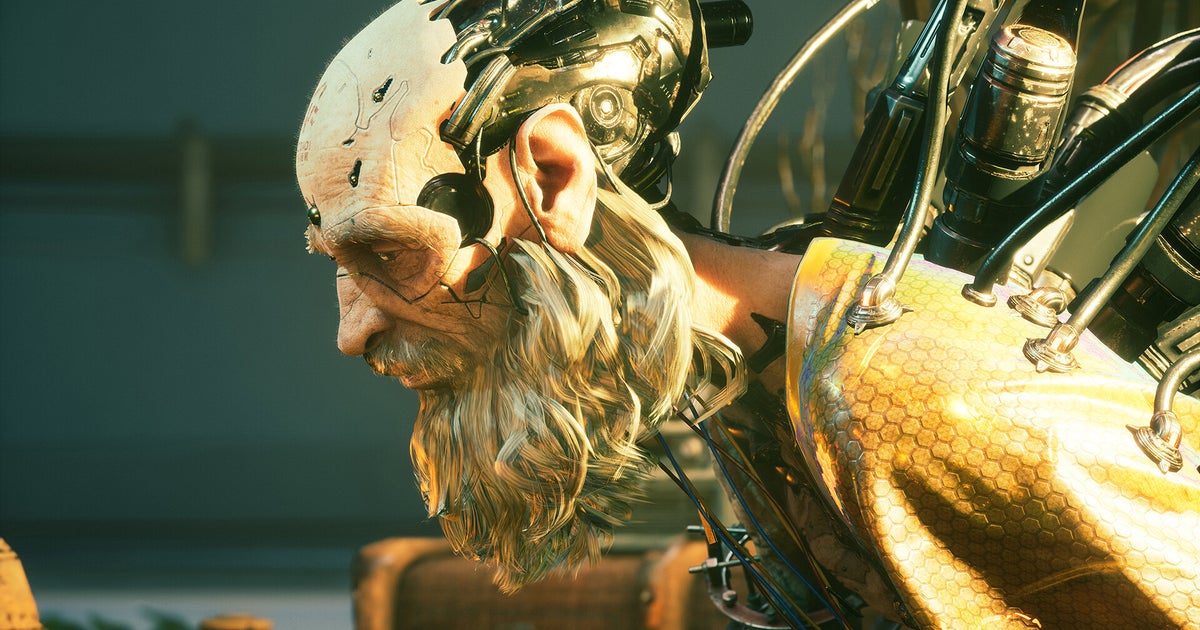
The gaming landscape is shifting as Shift Up, the creative force behind the critically acclaimed Stellar Blade, signals a strategic pivot for its next major project. While the original title served as a flagship showcase for the PlayStation 5, the developer has indicated a desire to move toward self-publishing for the sequel, a move designed to liberate the franchise from strict platform exclusivity and maximize its global footprint.
This transition marks a significant evolution for the South Korean studio. By seeking to “reach a broad global audience from day one,” Shift Up is positioning itself not just as a developer for hire, but as a powerhouse publisher capable of managing its own distribution and intellectual property (IP) across multiple ecosystems. For players, this suggests that the next chapter of Eve’s journey may not be confined to a single console.
The move comes at a pivotal moment for Shift Up, which has seen its profile skyrocket following the commercial success of Stellar Blade. As the studio matures and expands its operational capabilities, the shift toward self-publishing represents a bid for greater creative control and a larger share of the revenue, moving away from the traditional publisher-developer relationship that defined its early partnership with Sony Interactive Entertainment.
The Strategy Behind Self-Publishing
For many years, the industry standard for high-budget “AAA” titles involved partnering with a major publisher like Sony to handle marketing, distribution, and quality assurance. However, self-publishing allows a studio to retain a higher percentage of sales and make autonomous decisions regarding which platforms the game inhabits. For Shift Up, the motivation is clear: diversification.
By managing the publishing process internally, Shift Up can tailor its launch strategy to hit multiple platforms simultaneously. While the first Stellar Blade was a cornerstone of the PS5 library, the developer has expressed a keen interest in the PC market. The PC gaming community represents a massive, global demographic that often operates independently of console cycles, and capturing this audience “from day one” would significantly amplify the game’s initial sales trajectory and long-term viability.
This strategic independence is also tied to the company’s corporate growth. Shift Up recently transitioned into a public company, listing on the Korea Exchange (KRX) in July 2024 Korea Exchange. As a public entity, the studio is under increased pressure to demonstrate scalable growth and diversified revenue streams to its shareholders. Relying on a single platform partner, while lucrative, introduces a level of risk that self-publishing effectively mitigates.
Expanding Beyond the PlayStation Ecosystem
The relationship between Shift Up and Sony has been overwhelmingly positive, with Sony providing essential support during the development of the first game. However, the industry is currently seeing a broader trend where “timed exclusivity” or total independence is becoming more attractive to developers who want to scale their IPs.
If the sequel is indeed self-published, it opens the door for a multi-platform release. This could include a simultaneous launch on PC or potentially other consoles, provided there are no lingering contractual obligations from the first game’s publishing deal. Reaching a “broad global audience” implies that the studio is looking beyond the traditional console strongholds to embrace the fragmented but vast global gaming market, including regions where PC gaming is the primary mode of consumption.
Industry analysts note that this move mirrors the trajectory of other successful independent studios that started under the wing of a platform holder before branching out to ensure their IP’s survival across hardware generations. By controlling the publishing arm, Shift Up can manage the porting process and update schedules across different platforms without needing external approval for every minor change.
What This Means for the Future of Stellar Blade
For the fans, the most immediate implication is the high probability of a PC version for the sequel. Given the demand for the first game to move to PC, Shift Up is likely leveraging that existing hunger to fuel the launch of the next title. A multi-platform approach not only increases the player base but also allows for a more robust ecosystem of mods and community-driven content, which typically flourishes on PC.
Beyond platform availability, self-publishing may influence the game’s development cycle. Without a platform holder’s strict deadlines or specific hardware requirements as the sole focus, Shift Up may have more flexibility in how they scale the game’s technical specifications to fit various hardware configurations. This ensures that the “global audience” they seek is not limited by the ownership of a specific, expensive piece of hardware.
However, the challenge of self-publishing is significant. Shift Up will now need to invest heavily in its own marketing engines, regional distribution networks, and customer support infrastructure—tasks that Sony previously handled. This is a costly and complex transition, but one that the studio seems prepared to undertake given its recent financial infusion from its IPO.
Key Takeaways for Players and Investors
- Platform Flexibility: The sequel is unlikely to be a PS5 exclusive, with a strong push toward a broad, multi-platform release.
- Financial Independence: Shift Up aims to retain more revenue by removing the publishing middleman.
- PC Market Focus: A “day one” global reach strategy strongly suggests a simultaneous PC launch.
- Corporate Evolution: Following its 2024 IPO, Shift Up is shifting from a pure developer to a full-scale publisher.
The Road Ahead
While Shift Up has revealed its intentions, the specific details of the sequel’s release date and official platform list remain under wraps. The transition to self-publishing is a bold move that signals the studio’s confidence in the Stellar Blade brand. As they build the internal infrastructure to support this ambition, the gaming world will be watching to see if they can replicate the magic of the first game while navigating the complexities of independent distribution.
The next confirmed checkpoint for the studio will be its upcoming quarterly financial reports and investor presentations, where further details regarding the sequel’s development progress and publishing roadmap are expected to be disclosed. We will continue to monitor these filings for official confirmation on release windows and platform partnerships.
Do you think Stellar Blade should remain a PlayStation exclusive, or are you hoping for a day-one PC release? Let us know your thoughts in the comments below and share this story with your fellow gamers.
Keep reading