
President Donald Trump has sparked a global diplomatic firestorm after revealing he is “seriously considering” a plan to annex Venezuela and incorporate the South American nation as the 51st state of the United States. The announcement, made during an interview with Fox News on Monday, May 11, 2026, marks a dramatic escalation in U.S. Policy toward the oil-rich country following a period of intense military and political upheaval.
The proposal comes as the United States continues to oversee a transitional administration in Venezuela. This follows a January military operation that led to the capture of former President Nicolás Maduro and his wife, Cilia Flores. Maduro, who was indicted by the U.S. Justice Department on narco-terrorism charges, has been removed from power, leaving the country under a precarious administrative arrangement involving U.S. Oversight and local acting leadership.
At the heart of the proposal is the immense economic potential of Venezuela’s natural resources. President Trump cited the estimated $40 trillion value of Venezuelan oil as a primary motivator for the potential annexation, suggesting that the move would permanently secure these assets for the United States. During a phone call with Fox News, Trump further claimed that he maintains significant popularity among the Venezuelan population, stating, “Venezuela loves Trump.”
The move has been met with immediate and stern resistance from the current Venezuelan leadership. Acting President Delcy Rodríguez, the 56-year-old former vice president who has been tasked with maintaining stability during the transition, rejected the notion of annexation during a press conference in the Netherlands. Speaking at the International Court of Justice in The Hague, Rodríguez asserted that Venezuela is “not a colony, but a free country,” and vowed that her administration would “continue to defend our integrity, our sovereignty, our independence, our history.”
The Economic Imperative: Oil and Infrastructure
The prospect of making Venezuela the 51st state is inextricably linked to the global energy market. Venezuela possesses some of the largest proven oil reserves in the world, and the Trump administration has prioritized the restoration of U.S. Corporate access to these fields. In January, the president pledged to get the U.S. Oil industry “up and running” again within the country.

This push for energy dominance follows years of tension that began nearly two decades ago when former President Hugo Chávez nationalized the oil industry, expelling major American energy firms such as Exxon and Conoco. Currently, Chevron remains the only major U.S. Oil company with existing investments in the region. The administration’s goal is to reverse this trend and court new investments to maximize the output of the OPEC member nation.
Recent data indicates a significant surge in commercial activity. Oil exports from Venezuela have reached a seven-year high, hitting 1.23 million barrels per day. This economic reopening has been accompanied by the resumption of direct flights between Caracas and Miami via American Airlines, signaling a rapid, if forced, reintegration of Venezuela into the U.S. Economic sphere.
Legal Hurdles and Constitutional Constraints
Despite the president’s rhetoric, the path to annexing a sovereign nation and converting it into a U.S. State is fraught with legal and constitutional obstacles. Under the United States Constitution, the president does not possess the unilateral authority to declare another country a state. Such a move would require the formal approval of the U.S. Congress and, typically, the consent of the territory or nation being annexed.
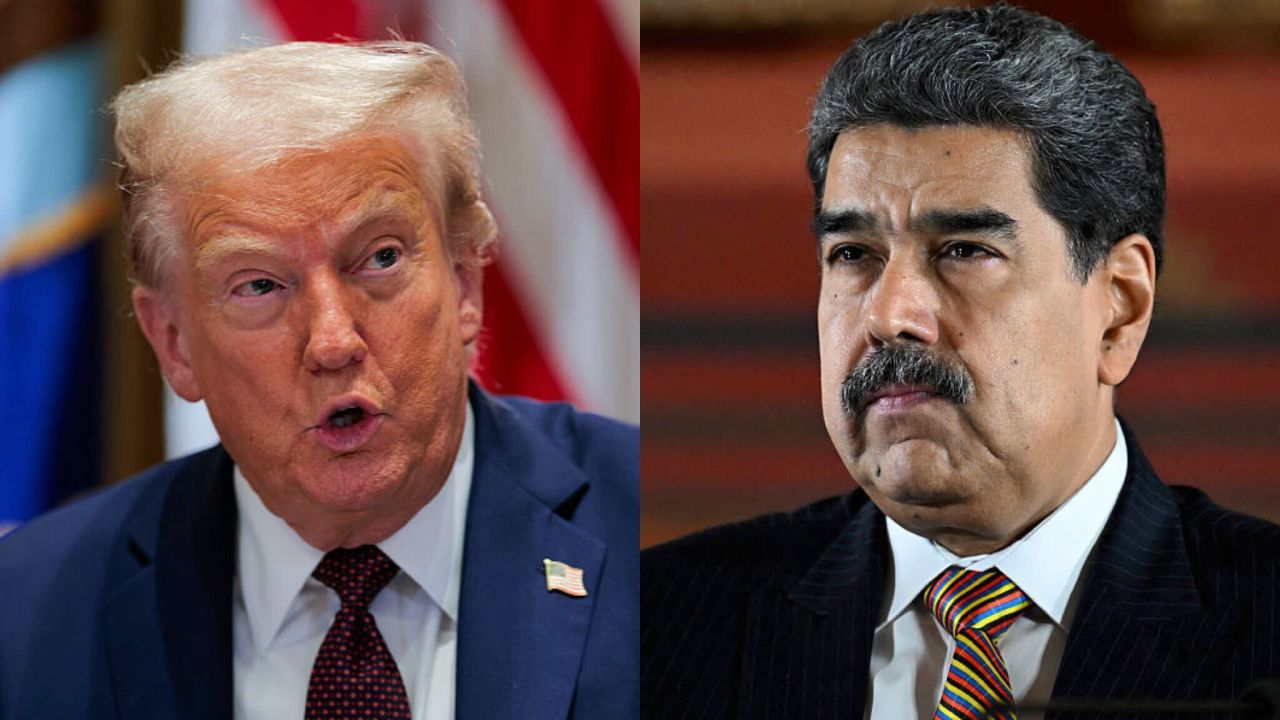
Legal experts note that the process would involve an unprecedented legislative battle and a complex series of treaties or acts of admission. Without a clear mandate from Congress or a formal agreement from the Venezuelan people and their acting government, the proposal remains a political aspiration rather than a viable legal reality.
Currently, the U.S. Is operating under a model of temporary administration. President Trump stated in January that the U.S. Would “run the country until such time as we can do a safe, proper and judicious transition,” emphasizing a goal of “peace, liberty and justice for the great people of Venezuela.” This transitional phase has relied heavily on Delcy Rodríguez to guarantee stability while the U.S. Secures access to critical oil infrastructure.
Geopolitical Stakes and the Role of OPEC
The potential annexation of Venezuela would fundamentally alter the balance of power within the Organization of the Petroleum Exporting Countries (OPEC). As one of the group’s 12 oil producers, Venezuela’s status as a sovereign entity is key to its role in global pricing and production quotas. If Venezuela were to become part of the United States, the U.S. Would effectively absorb one of the world’s largest oil reserves, potentially destabilizing OPEC’s internal dynamics and granting Washington unprecedented leverage over global energy supplies.
The international community is watching the situation closely, particularly as the International Court of Justice in The Hague becomes a venue for Venezuela’s defense of its sovereignty. The contrast between Trump’s vision of a “51st state” and Rodríguez’s insistence on “independence” highlights a deep divide in how the future of the South American nation will be determined.
Key Takeaways of the Annexation Proposal
- The Proposal: President Trump is “seriously considering” making Venezuela the 51st state of the U.S.
- Economic Driver: The move is motivated by Venezuela’s estimated $40 trillion in oil wealth.
- Current Status: The U.S. Is currently “running” the country during a transition period following the arrest of Nicolás Maduro in January.
- Venezuelan Response: Acting President Delcy Rodríguez has explicitly rejected annexation, citing national sovereignty.
- Legal Requirements: Annexation would require U.S. Congressional approval and the consent of Venezuela.
- Energy Impact: Oil exports have hit a seven-year high of 1.23 million barrels per day.
What Happens Next?
The immediate future of Venezuela remains tied to the “judicious transition” promised by the White House. While the rhetoric regarding statehood has increased, the operational focus remains on the stability of oil production and the legal proceedings against Nicolás Maduro and Cilia Flores. The U.S. Administration continues to court major energy companies to return to the region, viewing the current vacuum of power as a strategic opportunity to reshape the Western Hemisphere’s energy landscape.
The next critical checkpoint will be the continued deliberations at the International Court of Justice, where the acting Venezuelan government is formally asserting its independence against the threat of annexation. Any formal move toward statehood would require the introduction of legislation in the U.S. Congress, which would likely trigger a high-stakes debate over international law, national security, and the cost of integrating a foreign nation into the American union.
World Today Journal will continue to monitor the diplomatic response from the International Court of Justice and any subsequent legislative filings in Washington. We invite our readers to share their perspectives on the geopolitical implications of this proposal in the comments below.
Keep reading