
The long-standing tradition of the Canadian “border run” and the grand excursion to the great American metropolises is undergoing a quiet but significant transformation. For decades, the flow of travelers from Canada into the United States has been one of the most consistent patterns in global tourism, driven by proximity, cultural similarity, and the allure of iconic cities like New York, Los Angeles, and Chicago.
However, a combination of macroeconomic pressures and shifting consumer preferences is altering the landscape of cross-border travel. While Canadians remain the largest source of international visitors to the United States, the nature of their visits is changing. The high cost of urban centers, coupled with a volatile exchange rate, has led many travelers to reconsider the value proposition of the traditional American city break.
This shift is not merely a Canadian phenomenon but reflects a broader global trend where international tourists are weighing the costs of “superstar cities” against more affordable or nature-centric alternatives. As inflation persists in the U.S. Hospitality and service sectors, the financial barrier to entry for visiting major hubs has risen, prompting a diversification of travel destinations.
The Economic Barrier: Exchange Rates and Urban Inflation
At the heart of the declining appeal of U.S. Metropolises is a persistent economic struggle: the exchange rate between the Canadian Dollar (CAD) and the U.S. Dollar (USD). For the average Canadian traveler, the purchasing power of their currency has faced significant headwinds over the last several years, making every hotel stay, dinner, and attraction in a U.S. City markedly more expensive.
When the CAD weakens against the USD, the “sticker shock” is amplified in major cities where prices are already at a premium. This economic friction is compounded by urban inflation. In cities like New York and San Francisco, the cost of short-term rentals and hotel rooms has surged, often outpacing the general rate of inflation. For a middle-class Canadian family, a trip that was financially viable five years ago may now require a significant budget increase or a reduction in the length of the stay.
According to data from the National Travel and Tourism Office (NTTO), Canadians continue to represent a massive share of inbound U.S. Tourism, but the distribution of where those travelers go is shifting. There is a growing preference for regional destinations, national parks, and smaller towns where the cost of living is lower and the exchange rate is less punishing.
The Shift Away from ‘Superstar Cities’
The allure of the American metropolis—the Broadway shows, the high-end shopping, and the dense urban energy—is being countered by a desire for “leisurely travel” and value-driven experiences. Many Canadians are opting for destinations that offer a higher quality of experience per dollar spent. This has led to a notable increase in travel to Mexico, the Caribbean, and even domestic travel within Canada’s own provinces.
Beyond the financial aspect, perceptions of safety and cleanliness in major U.S. Urban centers have also played a role in the decision-making process. News reports regarding urban instability and the challenges facing city infrastructure in the wake of the pandemic have created a psychological barrier for some international visitors. When combined with the high cost of visiting, these factors create a compelling reason for travelers to seek alternatives.
This trend is mirrored in other parts of the world. Travelers from nations such as New Zealand and Australia, who traditionally viewed the U.S. As a primary long-haul destination, have also reported a trend of canceling or modifying trips to major U.S. Cities. The “metropolis fatigue” is real, as travelers seek authenticity and tranquility over the crowded and expensive environments of the world’s largest hubs.
Impact on the U.S. Hospitality Sector
The decline in high-spending international visitors to major cities has tangible effects on the local economy. Urban hospitality sectors—specifically luxury hotels, high-end dining, and themed tourism—rely heavily on the influx of international capital. When Canadian travelers pivot from a week in Manhattan to a week in a coastal resort in Mexico or a trip to the Canadian Rockies, the loss is felt directly by urban service workers and compact business owners.
To combat this, some U.S. Cities are attempting to diversify their offerings, creating “experience-based” tourism that appeals to a wider range of budgets. However, the structural issue of the USD’s strength remains a hurdle that local marketing cannot easily overcome. The U.S. Travel industry is now facing a reality where proximity no longer guarantees patronage; value and perceived quality of life have become the primary drivers of travel choice.
Key Factors Driving the Change in Travel Patterns
| Driver | Traditional Pattern | Modern Trend |
|---|---|---|
| Primary Goal | Urban Sightseeing/Shopping | Nature/Wellness/Value |
| Budget Focus | Prestige Destinations | Purchasing Power Optimization |
| Destination | Major Metropolises (NYC, LA) | Regional Hubs/International Alternatives |
| Influence | Cultural Icons | Cost of Living & Safety Perceptions |
What Happens Next for Cross-Border Tourism?
The future of Canadian tourism to the United States will likely depend on two primary variables: the stabilization of the CAD/USD exchange rate and the ability of U.S. Cities to manage the cost of tourism. If urban centers continue to price out the middle-class international traveler, the “metropolis decline” may become a permanent fixture of travel statistics.
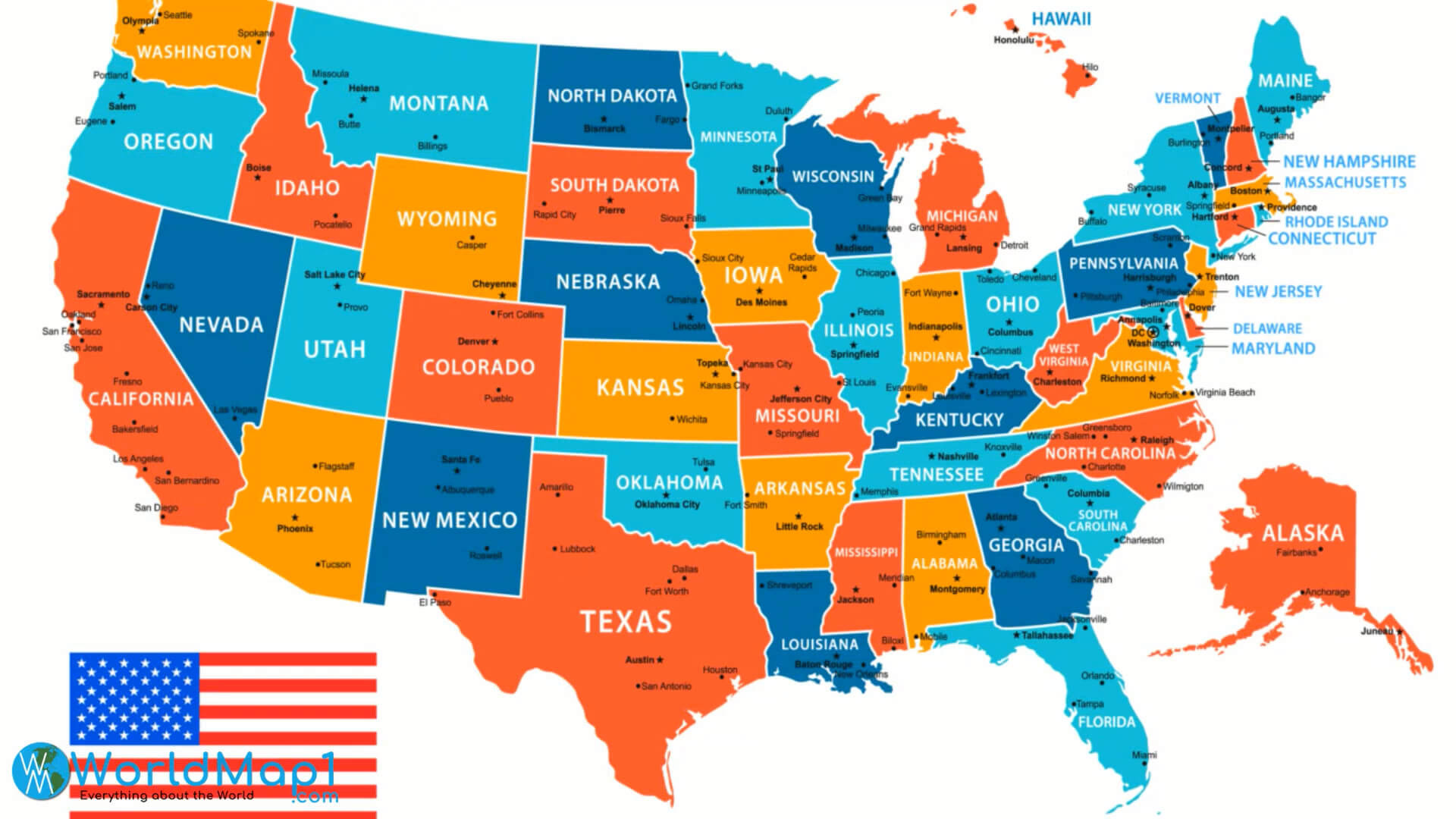
Industry analysts are watching the upcoming quarterly reports from the U.S. Department of Commerce and the NTTO to see if the trend of “regionalization”—where travelers visit the U.S. But avoid the biggest cities—continues to grow. There is also a growing interest in “integrated travel,” where visitors combine a short city stay with a longer period in rural or natural settings to balance their budgets.
For the Canadian traveler, the map is expanding. The realization that there are world-class experiences available outside the expensive confines of the American metropolis is leading to a more globalized approach to vacationing, where the destination is chosen based on the total value of the experience rather than a lifelong checklist of city landmarks.
The next major update on international travel trends is expected with the release of the annual 2026 International Visitor Performance report, which will provide a definitive look at whether the shift away from urban centers has accelerated or stabilized.
Do you think the cost of visiting major cities has become too high? Have you changed your travel plans recently? Share your thoughts in the comments below.
Related reading