
The atmosphere at FC Barcelona’s training ground has taken a lighthearted turn, as the arrival of Wojciech Szczęsny has sparked an immediate and visible kinship with fellow countryman Robert Lewandowski. In a sport often defined by rigid discipline and high-pressure environments, the sight of two of Poland’s greatest footballing exports engaging in playful antics has captured the attention of fans and media alike.
The chemistry between the veteran goalkeeper and the world-class striker has transcended tactical drills, manifesting in a series of viral moments that suggest a deep personal bond. For a Barcelona squad navigating a transitional period under manager Hansi Flick, this internal camaraderie is more than just a social curiosity; We see a glimpse into the morale-boosting dynamics that can define a locker room’s success.
Recent footage emerging from the training sessions shows the two stars in a state of “absolute chaos,” engaging in a playful wrestling match and mock altercations. While some headlines in the Polish press have framed these interactions as a subtle mockery of traditional expectations or critiques from footballing legends, the reality on the pitch appears to be one of genuine friendship and mutual support.
A High-Profile Reunion in Catalonia
The pairing of Szczęsny and Lewandowski at the Spotify Camp Nou is a rare alignment of talent. Wojciech Szczęsny joined FC Barcelona in late 2024, stepping in to provide veteran stability following a serious injury to first-choice goalkeeper Marc-André ter Stegen. His integration into the squad has been seamless, aided largely by the presence of Robert Lewandowski, who has long been the focal point of the Barcelona attack.

For the Polish national team, seeing their captain and their primary goalkeeper sharing a club environment provides a unique psychological advantage. The rapport they have built in the national setup is now being transplanted into the Catalan culture, creating a “Polish enclave” that serves as a support system for both players as they strive to maintain peak performance in the twilight of their elite careers.
The viral nature of their interactions highlights a side of professional football that is rarely seen in official press conferences. By embracing a sense of humor and playfulness, the duo is effectively dismantling the image of the brooding, isolated superstar, replacing it with a narrative of brotherhood and shared ambition.
Beyond the Jokes: The Strategic Value of Chemistry
While the “fighting for fun” may seem like a distraction to the casual observer, sports psychologists often point to such interactions as critical for team cohesion. In high-stakes football, the ability to transition from intense competition to lighthearted relaxation allows players to manage stress more effectively. When the goalkeeper and the primary striker—two poles of the pitch—are in sync, it often translates to better communication during match days.
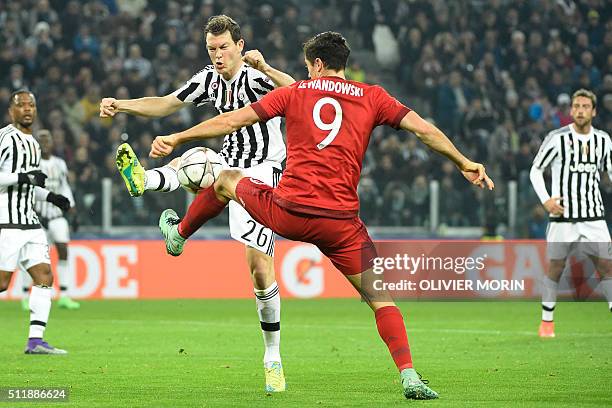
The arrival of Szczęsny was not merely a tactical necessity but a strategic move to bring in a player with “big-game” experience. His history with Juventus and the Polish national team makes him a natural peer to Lewandowski. This equality in status prevents the friction that can sometimes occur when a high-profile veteran joins a new squad; instead, they have formed a partnership based on mutual respect and shared history.
this camaraderie serves as a bridge for other players in the squad. When senior figures like Lewandowski and Szczęsny are seen joking and relaxing, it sets a tone of psychological safety for younger players, encouraging them to integrate more quickly and feel comfortable within the team’s social hierarchy.
Addressing the “Legend” Narrative
The reaction in Poland has been particularly pointed, with some media outlets suggesting that the duo is “mocking” the rigid standards of previous generations of Polish football. Historically, the Polish national team has been characterized by a certain stoicism and, at times, public tension between its stars. By showcasing their exuberant friendship on a global stage, Szczęsny and Lewandowski are effectively challenging the outdated notion that professional success requires a joyless approach to the game.
This shift in perception is a hallmark of the modern athlete. Today’s players are more likely to embrace their personalities and social bonds, recognizing that a positive mental state is a prerequisite for physical excellence. Rather than a slight toward the “legends” of the past, their behavior represents an evolution in the culture of the sport—one where happiness and high performance are not mutually exclusive.
What Happens Next for the Polish Duo
As FC Barcelona continues its campaign in both La Liga and the UEFA Champions League, the focus will shift from training ground antics to match-day results. The true test of this chemistry will be how it manifests under the pressure of critical fixtures, where the communication between the backline and the attack is paramount.

The next confirmed checkpoint for the duo will be the upcoming official match fixtures for FC Barcelona, where Szczęsny’s ability to organize the defense and Lewandowski’s clinical finishing will be under the global spotlight. Fans will be watching to see if the laughter in training translates into a synchronized dominance on the pitch.
Do you think the strong bond between senior players like Szczęsny and Lewandowski improves overall team performance, or can it become a distraction? Share your thoughts in the comments below.
Related reading