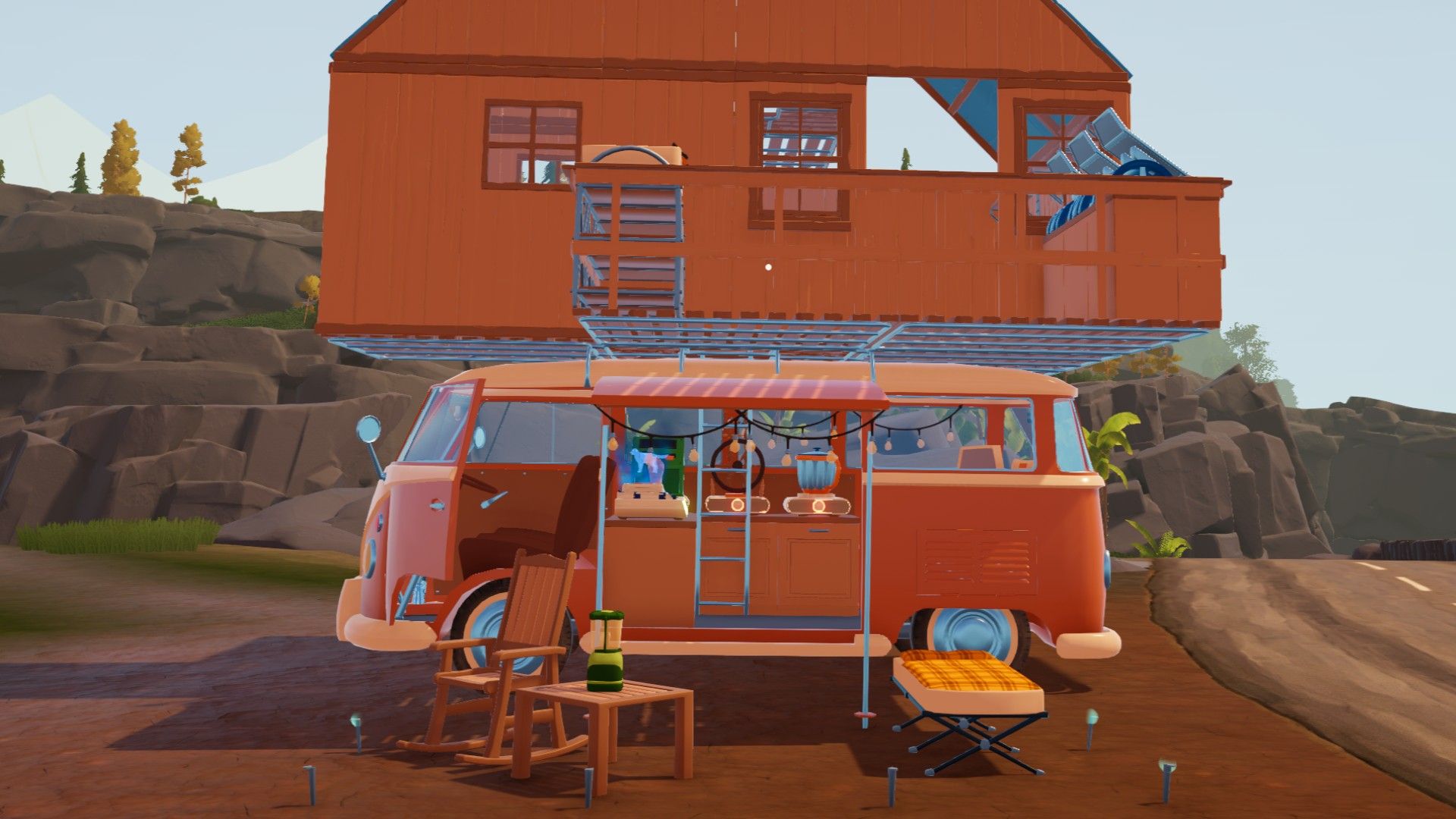
Exploring the sprawling vistas of Outbound is an exercise in curiosity and persistence, but every adventurer eventually hits a wall. Whether it is a dense thicket of brush or a stubborn mineral deposit, your progress is often dictated by the gear in your inventory. Learning how to unlock tools in Outbound is not just about gathering resources; it is about expanding your horizons and gaining access to biomes that were previously out of reach.
For many players, the path to progression feels like a puzzle. While the game introduces the concept of signal towers early on, the logic behind which blueprints appear can feel erratic. Some upgrades seem to arrive via random chance, while others appear to be locked behind specific milestones. Understanding this hybrid system of RNG (random number generation) and triggered events is the secret to optimizing your journey across the map.
As you drive your van deeper into the unknown, the tension between wanting a functional tool and a decorative collectible can lead to “indecision anxiety.” However, the beauty of Outbound‘s design is that it encourages exploration over perfectionism. You are rarely permanently locked out of a recipe, meaning you can focus on the essentials without fearing that you have ruined your save file.
Mastering the Signal Towers: The Key to Outbound’s Progression
The primary mechanism for obtaining new gear in Outbound, developed by Square Glade Games, is the signal tower. These towers act as the game’s central hubs for downloadable blueprints, and recipes. When you first interact with a tower, you are typically presented with a choice of two or three different recipes. This choice is where many players hesitate, worried that picking a utility tool means sacrificing a unique aesthetic item.

The good news is that the game employs a cycling system. If you forgo a specific download—such as a decorative shelf—in favor of a tool upgrade, that skipped recipe will eventually cycle back into the pool of available offerings. This can happen at a different tower or even at the same tower after it has been reactivated. The most effective strategy is to prioritize utility; if a tool upgrade is available, take it.
Reactivating towers is a constant part of the gameplay loop. Many of the recipes you need will come from visiting towers you have already encountered. Interestingly, tower reactivation is not always tied to a specific action. Some players have observed that towers can reactivate simply by keeping the game running in the background, suggesting a time-based or “idle” mechanic that rewards persistence.
Prioritizing Your Gear: Axe, Pickaxe, and Beyond
Not all tools are created equal in terms of progression. When faced with a choice at a signal tower, there is a clear hierarchy of importance. The Axe and Pickaxe are the most critical tools for early-to-mid-game survival, as they are frequently the only way to clear paths into new biomes or harvest the resources required for higher-tier crafting.
The Sickle (or Scythe), while useful, generally takes a backseat to the Axe and Pickaxe in terms of immediate necessity. If you find yourself choosing between “Axe I” and “Scythe I,” the Axe is almost always the correct choice for maintaining momentum. Once these core tools are secured, you can shift your focus toward specialized equipment, such as the Bolt Press, which opens up more advanced crafting possibilities.
To keep track of your progress and identify what you are missing, the in-game journal is an indispensable tool. By tabbing through the various collection categories, you can see exactly which blueprints you have secured and which ones remain elusive. The journal often highlights which biomes are associated with specific downloads, providing a roadmap for where to focus your exploration if you are hunting for a missing entry.
Beyond the Towers: Vending Machines and Points of Interest
While signal towers provide the bulk of your blueprints, they are not the only source of upgrades. To fully complete your collection, you must engage with the world’s secondary reward systems. Scattered throughout the map are various points of interest (POIs) that contain collectible blueprints. These are often static rewards tied to exploration rather than the RNG of a tower.
Outbound features gashapon-style vending machines. These machines allow players to spend bottle caps—a common currency found during exploration—to obtain decorative collectibles and certain blueprints. While these are less likely to provide the “game-breaking” tool upgrades found at signal towers, they are essential for those looking to fully customize their experience and environment.
It is also worth noting that some downloads are gated by specific gameplay triggers. For example, blueprints like “Companion Training” will not appear as options at signal towers until the player has adopted a companion. This means that simply visiting every tower is not enough; you must also interact with the game’s various systems—such as lighting campfires or discovering new landmarks—to “ping” the towers and trigger new offerings.
Co-op and Tracking: Optimizing the Journey
For those playing in co-op mode, the progression system is streamlined to prevent friction between players. In Outbound, recipe unlocks are tied to the save file rather than the individual character. This means that regardless of which player interacts with the signal tower or makes the final choice on a download, the resulting blueprint is unlocked for everyone playing on that save. This shared progression encourages teamwork and allows players to divide their efforts—one focusing on exploration while the other manages the van and resources.

while it is tempting to try and “science” the system to find a perfect path to every tool, the game is designed to be played organically. The combination of biome-based triggers, RNG cycling, and exploration rewards ensures that as long as you keep driving and interacting with the world, the tools you need will eventually funnel in.
For more information on game updates and official support, players can visit the Steam Community Hub for Outbound to engage with other explorers and share findings on tower locations.
What has been your most frustrating “miss” at a signal tower, or which tool did you find most essential for your first biome jump? Share your tips and experiences in the comments below!
Worth a look