
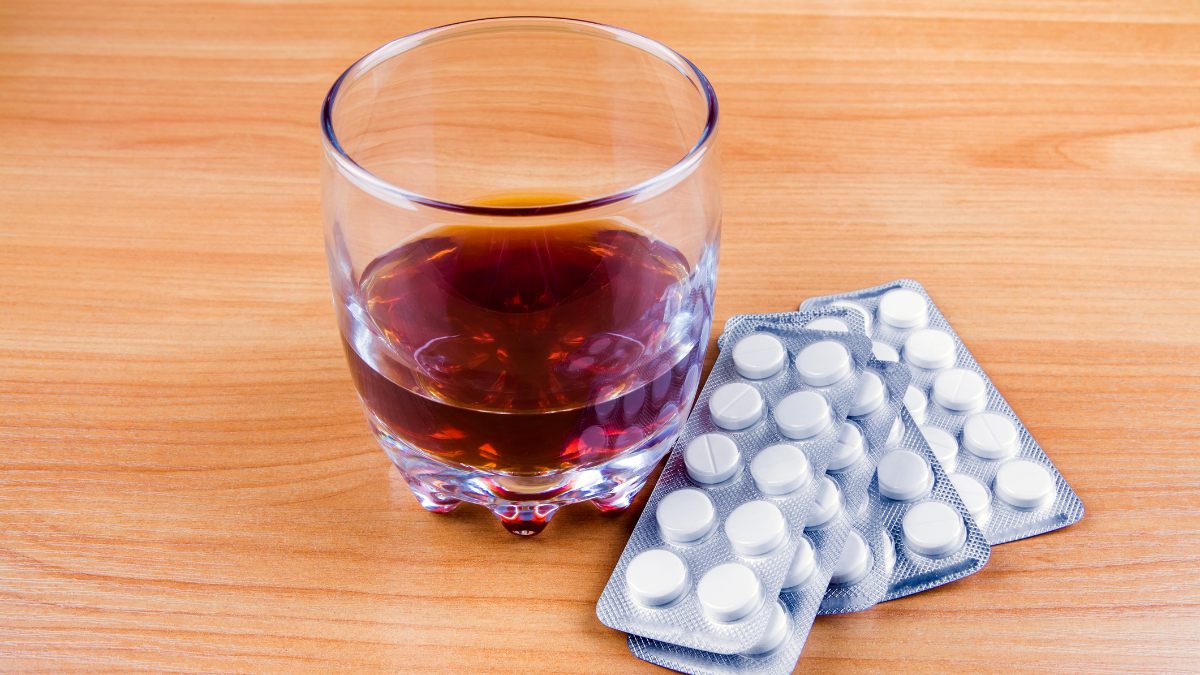
For millions of people, the arrival of spring and autumn brings a predictable struggle: sneezing, itchy eyes, and the constant congestion of seasonal allergies. The standard response is a trip to the pharmacy for an antihistamine, a medication designed to block the effects of histamine, the chemical the immune system releases during an allergic reaction.
However, a common social dilemma arises when the desire for a celebratory drink clashes with a medication schedule. While a single glass of wine or a cocktail might seem harmless, the pharmacological interaction between alcohol and antihistamines can be unpredictable and, in some cases, dangerous. The risk is not merely a feeling of sleepiness, but a significant impairment of the central nervous system that can compromise safety and health.
As a physician and health journalist, I have seen how often patients underestimate the synergistic effect of these two substances. When you combine a central nervous system (CNS) depressant like alcohol with a medication that may already cross the blood-brain barrier, you aren’t just adding the effects together—you are multiplying them. This creates a state of sedation that can lead to impaired judgment, slowed reaction times, and respiratory depression.
Understanding which drinks pose the greatest risk requires looking beyond the alcohol percentage. It involves understanding how certain beverages interact with the medication’s mechanism and how some drinks can actually trigger the very symptoms you are trying to treat.
The Chemistry of the Crash: Why Alcohol and Antihistamines Clash
To understand the danger, one must first understand how antihistamines work. These medications target H1 receptors to prevent histamine from causing inflammation and mucus production. However, the “generation” of the drug determines how it interacts with your brain. First-generation antihistamines, such as diphenhydramine, are lipophilic, meaning they easily cross the blood-brain barrier. Once in the brain, they block H1 receptors that regulate wakefulness, leading to significant drowsiness.
Alcohol is also a CNS depressant. When ingested, it enhances the effect of GABA (gamma-aminobutyric acid), the primary inhibitory neurotransmitter in the brain. When alcohol is paired with a sedating antihistamine, the combined effect on the brain’s arousal system is profound. This “double-hit” to the nervous system can result in extreme lethargy, confusion, and a dangerous drop in motor coordination.
Even second-generation antihistamines—such as loratadine, cetirizine, and fexofenadine—which are designed to be “non-drowsy” by limiting their entry into the brain, are not entirely immune to these interactions. While they are generally safer, alcohol can still amplify the mild sedative effects some individuals experience, potentially leading to unexpected impairment according to guidance from the Mayo Clinic.
The 3 Types of Drinks to Avoid While on Allergy Medication
Not all alcoholic beverages carry the same risk profile. While the ethanol content is a primary concern, the chemical composition of the drink itself can interfere with allergy management.
1. High-Proof Spirits and Concentrated Cocktails
Hard liquors—such as vodka, gin, tequila, and whiskey—contain the highest concentrations of ethanol. Because these drinks enter the bloodstream quickly, they cause a rapid depression of the central nervous system. When taken alongside a first-generation antihistamine, the risk of “blackout” sedation or severe respiratory depression increases significantly.
The danger here is primarily the potency of the ethanol. The rapid onset of impairment can make activities like driving or operating machinery exceptionally hazardous, as the user may not realize how impaired their cognitive functions are until it is too late. The synergistic effect can mask the typical signs of intoxication, leading the individual to consume more alcohol than their body can safely handle while medicated.
2. Fermented Red and White Wines
Wine presents a dual threat. Beyond the alcohol content, wine is a significant source of histamines. During the fermentation process, bacteria convert histidine into histamine. For someone already suffering from an allergic reaction, consuming a drink high in histamines is counterproductive; it is essentially introducing the trigger the medication is trying to block.

This can lead to a “pseudo-allergic” reaction. Even if the antihistamine is working to block environmental allergens, the direct ingestion of histamines via wine can cause nasal congestion, flushing, and headaches. Drinking wine while taking allergy medication can neutralize the benefits of the drug, leaving the patient feeling both sedated by the alcohol and congested from the histamines.
3. Craft Beers and Fermented Malts
Similar to wine, beer is a fermented product that contains histamines and tyramines. These compounds can trigger the release of more histamine in the body or mimic its effects. For individuals with a high sensitivity to histamines, beer can exacerbate sneezing and runny noses, effectively fighting against the medication’s purpose.
the combination of the sedative properties of certain hops and the CNS-depressant effect of alcohol can intensify the drowsiness associated with antihistamines. This makes beer a poor choice for those seeking a “light” alternative to spirits while on medication.
Not All Allergy Meds Are Created Equal: Assessing Your Risk
The level of danger depends heavily on which medication you are using. It is vital to distinguish between the two main classes of antihistamines to determine your safety threshold.
First-Generation Antihistamines: These include medications like diphenhydramine (Benadryl) and chlorpheniramine. These are the most dangerous to mix with alcohol. Because they are highly sedating, the combination can lead to severe impairment of the motor cortex and cognitive function. In clinical settings, this combination is strongly discouraged due to the risk of accidental injury or overdose.
Second-Generation Antihistamines: These include loratadine (Claritin), cetirizine (Zyrtec), and fexofenadine (Allegra). These medications were engineered to be peripheral, meaning they act mostly outside the brain. While the risk of extreme sedation is much lower, they can still interact with alcohol in ways that vary by individual. Some users may find that alcohol increases the drowsiness typically absent from these drugs.
For those seeking the lowest possible risk, steroid-based nasal sprays or inhalers are often a safer alternative. Because these are administered locally in the nasal passages or lungs and have minimal systemic absorption into the bloodstream, they typically do not interact with alcohol in the same way that oral tablets do as noted in general pharmaceutical guidelines from the NHS.
Practical Safety Guidance for Allergy Sufferers
Managing allergies does not have to mean a total ban on social drinking, but it does require a strategic approach to safety. If you must consume alcohol while managing allergies, consider the following medical precautions:
- Switch to Second-Generation Meds: If you plan to have a drink, avoid first-generation sedating antihistamines. Consult your doctor about switching to a non-drowsy alternative.
- Monitor Your Reaction: Everyone metabolizes alcohol and medication differently. If you choose to drink, do so in a safe environment where you do not need to drive, and start with a very compact amount to gauge your level of impairment.
- Stay Hydrated: Both alcohol and some antihistamines can cause dryness in the mouth and throat (xerostomia). Drinking plenty of water can help mitigate these side effects.
- Avoid Histamine-Heavy Drinks: Opt for clear spirits mixed with non-alcoholic mixers (like soda water) rather than fermented drinks like wine or beer to avoid triggering further allergy symptoms.
Quick Comparison: Medication and Alcohol Interaction
| Medication Class | Example | Alcohol Interaction Risk | Primary Danger |
|---|---|---|---|
| First-Generation | Diphenhydramine | High | Severe sedation, impaired motor skills |
| Second-Generation | Loratadine / Cetirizine | Low to Moderate | Mild drowsiness, variable impairment |
| Intranasal Steroids | Fluticasone | Very Low | Minimal systemic interaction |
When to Seek Medical Attention
While most interactions between alcohol and antihistamines result in drowsiness, there are signs that an interaction has become dangerous. Immediate medical attention is required if an individual exhibits the following symptoms after mixing these substances:

- Extreme difficulty waking up or profound lethargy.
- Slowed or shallow breathing (respiratory depression).
- Severe confusion or disorientation.
- Loss of consciousness or fainting.
These symptoms indicate that the central nervous system is overly depressed, which can lead to hypoxia or coma if not treated promptly by medical professionals.
The goal of allergy treatment is to improve your quality of life, not to compromise your safety. By understanding the pharmacological intersection of CNS depressants and histamine blockers, you can make informed decisions about your health and your social life.
The next step for many patients is the annual review of their allergy management plan with a board-certified allergist, typically conducted before the peak pollen season of spring. I encourage you to discuss your specific medication and lifestyle needs with your healthcare provider to find a regimen that works for you without compromising your safety.
Do you have questions about how your medications interact with your diet? Share your experiences or questions in the comments below, and please share this guide with others who struggle with seasonal allergies.