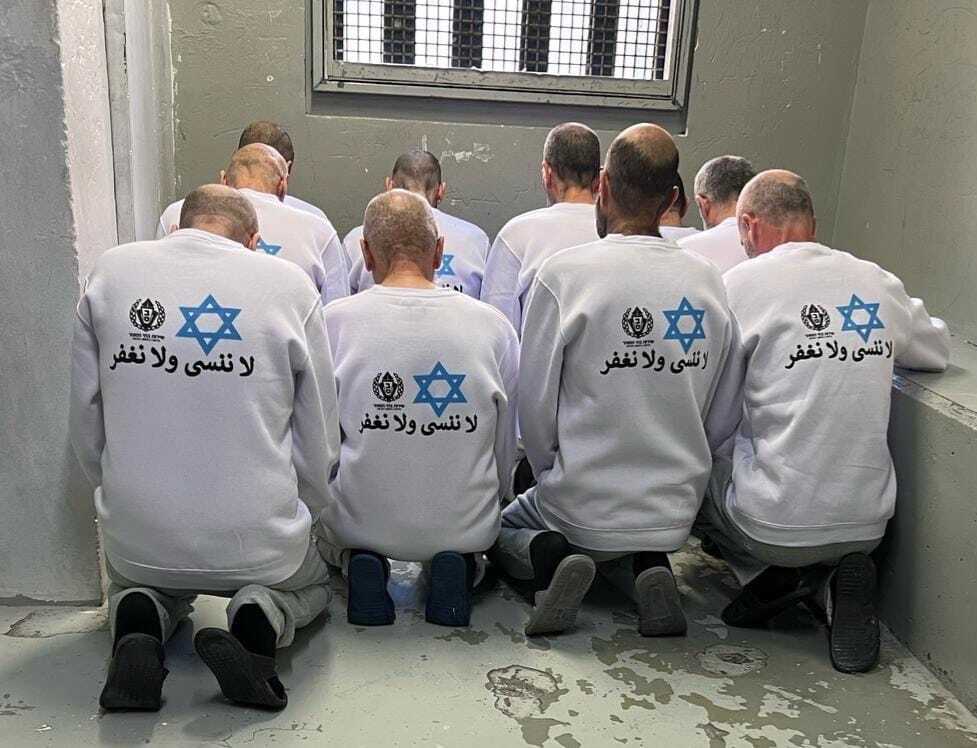
The Israeli government has launched a scathing condemnation of a recent opinion piece published by The New York Times, characterizing allegations of widespread sexual violence against Palestinian prisoners as a “blood libel.” The diplomatic firestorm erupted following a column by Nicholas Kristof, which detailed a pattern of systemic abuse within Israeli detention facilities, including claims of sexual assault targeting men, women, and children.
In a formal statement, the Israeli Foreign Ministry accused the publication of an “unfathomable inversion of reality,” arguing that the column relies on baseless lies and sources with documented ties to the Hamas terror group. The controversy highlights the intensifying information war surrounding the treatment of detainees and the broader humanitarian crisis in the region, where both sides have leveled grave accusations of sexual violence since the conflict escalated in late 2023.
The dispute centers on the tension between journalistic reporting on human rights and the state’s defense against what it perceives as delegitimizing propaganda. As international bodies continue to monitor the conditions of Palestinian inmates, the clash between the Israeli state and one of the world’s most influential news organizations underscores the volatility of reporting on the Southern Levant’s geopolitical landscape.
Allegations of Systemic Sexual Violence
The column authored by Nicholas Kristof alleged a pervasive pattern of Israeli sexual violence. According to the piece, these abuses were not isolated incidents but were carried out by a variety of actors, including Israeli soldiers, settlers, interrogators from the Shin Bet internal security agency, and prison guards. The allegations suggest that these acts were part of a broader environment of degradation within the prison system.
Kristof cited testimonies from Palestinians who described harrowing experiences during their incarceration. These accounts included being regularly stripped naked in prison, being groped, and being forcibly penetrated with various objects. Most provocatively, the column included reports of detainees being mounted and raped by specially trained dogs, a claim that has triggered particularly intense reactions from Israeli officials.
The reporting focuses on the vulnerability of the prisoner population and the lack of oversight in facilities where Palestinian detainees are held. By framing these acts as “widespread,” the column suggests a systemic failure or an implicit endorsement of abuse within the Israeli security apparatus, specifically targeting the most marginalized and captive populations.
The Israeli Response: ‘One of the Worst Blood Libels’
The reaction from Jerusalem was immediate and severe. The Israeli Foreign Ministry described the column as “one of the worst blood libels ever to appear in the modern press,” using a term historically associated with false and malicious accusations used to incite hatred against Jewish people. By employing this specific terminology, the Israeli government signaled that it views the allegations not merely as factual errors, but as a targeted attempt to demonize the state.
Israeli authorities argued that the column’s reliance on certain sources fundamentally undermines its credibility. The Foreign Ministry noted that the evidence cited in the piece comes from individuals or organizations that have allegedly praised or maintained ties to Hamas. By linking the sources of the allegations to a designated terror group, Israel seeks to frame the narrative as a piece of psychological warfare rather than objective journalism.
the Israeli government pointed to the events of October 7, 2023, as the necessary context for this debate. The Foreign Ministry’s statement highlighted the sexual crimes committed by Hamas against Israelis during the initial attack and the subsequent abuse of hostages held in captivity. From the Israeli perspective, the NYT column ignores these documented atrocities while amplifying unverified claims to “turn the victim into the accused.”
The Role of the Shin Bet and Prison Services
A critical component of the allegations involves the Shin Bet, Israel’s internal security agency. The column’s mention of interrogators participating in sexual violence points to the highly secretive nature of security detentions. In the context of international law, the treatment of detainees during interrogation is a frequent point of contention, with human rights organizations often raising concerns about “enhanced interrogation” techniques that may cross into torture.
The Israel Prison Service (IPS) manages the vast majority of Palestinian inmates. While the IPS maintains that it operates under strict legal guidelines and oversight, the allegations of guards participating in sexual assaults suggest a breakdown of command and control. The use of dogs in a sexual capacity, if proven, would constitute a severe violation of both domestic law and the Geneva Conventions, which mandate the humane treatment of all prisoners of war and civilian detainees.
The Israeli government’s rejection of these claims emphasizes that the IPS and Shin Bet operate within a framework of legality and that any individual misconduct is handled through internal disciplinary channels rather than being a “pattern” of state-sanctioned violence.
Navigating the ‘Blood Libel’ Discourse
The use of the term “blood libel” in a diplomatic and media context is significant. Historically, blood libels were false claims that Jews murdered Christian children for ritual purposes, leading to pogroms and systemic persecution. In the modern era, the term is occasionally used by the Israeli government and Jewish organizations to describe accusations of genocide or systemic atrocities that they believe are rooted in antisemitic tropes rather than evidence.
For journalists and editors, this creates a complex ethical minefield. When a state labels a report as “blood libel,” it raises the stakes of verification. The challenge lies in distinguishing between legitimate human rights documentation—which often relies on survivor testimony that is difficult to independently verify in real-time—and coordinated disinformation campaigns. Nicholas Kristof acknowledged the intensity of the reaction, sharing the Foreign Ministry’s critique on X (formerly Twitter) and providing an un-paywalled link to the column to ensure a broader audience could evaluate the claims.
The debate also touches upon the role of “opinion” columns versus “news” reporting. Because the allegations appeared in an opinion piece, the author has more latitude in framing and analysis, but the gravity of the accusations—rape and torture—typically requires a standard of evidence that satisfies international legal scrutiny.
Contextualizing Sexual Violence in the Current Conflict
To understand the volatility of this specific dispute, it is necessary to examine the broader landscape of sexual violence allegations since the start of the current war. Following the October 7 attacks, numerous reports emerged detailing systemic rape and sexual mutilation carried out by Hamas and other militants. These reports were later supported by findings from international investigators and the United Nations, which noted that sexual violence was used as a weapon of war.
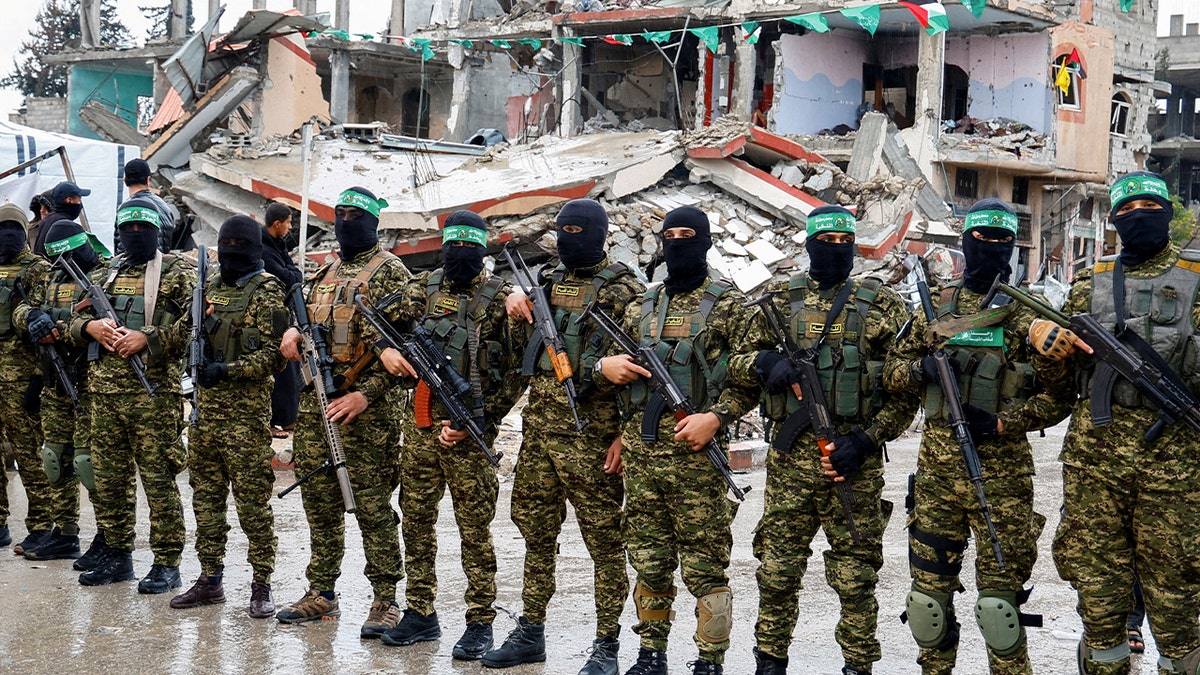
Conversely, Palestinian advocates and international NGOs have increasingly reported on the treatment of Palestinian women and men in Israeli detention. These reports often cite “humiliation tactics,” such as forced nudity and sexual harassment, intended to break the will of detainees during interrogation. The current clash over the NYT column is a microcosm of this larger struggle: a battle over who is the primary perpetrator of gender-based violence and who is the victim.
The intersection of gender, power, and captivity makes these allegations particularly potent. Sexual violence is often used to strip individuals of their dignity and agency, making it a powerful tool for both psychological warfare and political mobilization. When such claims are published in a global forum like The New York Times, they can influence international diplomatic pressure and legal proceedings at the International Criminal Court (ICC).
The Challenge of Verification in Conflict Zones
One of the primary points of contention in this case is the reliability of the sources. The Israeli government’s claim that the sources are tied to Hamas highlights the inherent difficulty of verifying testimonies from individuals currently or previously held in enemy detention. In many cases, the only people capable of providing evidence are the victims themselves, whose testimonies may be viewed as biased by the detaining power.
the Israeli government’s denials are often viewed with skepticism by international observers who note the lack of independent, third-party access to Israeli prisons. Without the presence of the International Committee of the Red Cross (ICRC) or other neutral monitors in every facility, the truth often remains trapped between two contradictory narratives: one of systemic abuse and one of strict adherence to the law.
This “evidentiary gap” is where the most intense media battles are fought. When a journalist like Kristof publishes testimonies, he is operating on the basis of witness accounts. When the Foreign Ministry rejects them as “blood libel,” they are operating on the basis of state security and the alleged political motivations of the witnesses. The result is a stalemate where the global audience is left to decide which narrative is more plausible based on the track record of the institutions involved.
Key Takeaways from the Controversy
- The Core Conflict: Israel has formally denounced a New York Times opinion piece alleging widespread sexual violence against Palestinian inmates as a “blood libel.”
- Nature of Allegations: The column claimed that soldiers, settlers, and Shin Bet agents engaged in systemic abuse, including the use of dogs for sexual assault.
- Israeli Defense: The Foreign Ministry argues the piece relies on sources tied to Hamas and ignores the sexual atrocities committed by Hamas on October 7.
- Terminology: The use of “blood libel” indicates that Israel views the reporting as a malicious attempt to delegitimize the state through false, historically charged accusations.
- Broader Implications: The dispute reflects the ongoing struggle to document and verify human rights abuses in a high-conflict zone where access is limited and narratives are heavily polarized.
What Happens Next?
While the immediate clash has played out in the press and on social media, the long-term impact will likely be felt in international legal forums. Allegations of systemic sexual violence are central to “crimes against humanity” charges. It is expected that human rights organizations will continue to push for independent international inspections of Israeli detention centers to verify or debunk these claims.
the reaction of The New York Times—whether it will stand by the column, issue a correction, or provide further evidence—will be closely watched by media ethics experts. For now, the Israeli government remains steadfast in its position that the reporting is a coordinated effort to distort reality.
We invite our readers to share their perspectives on the role of opinion journalism in conflict zones in the comments section below. Please keep the discussion respectful and focused on the facts.