
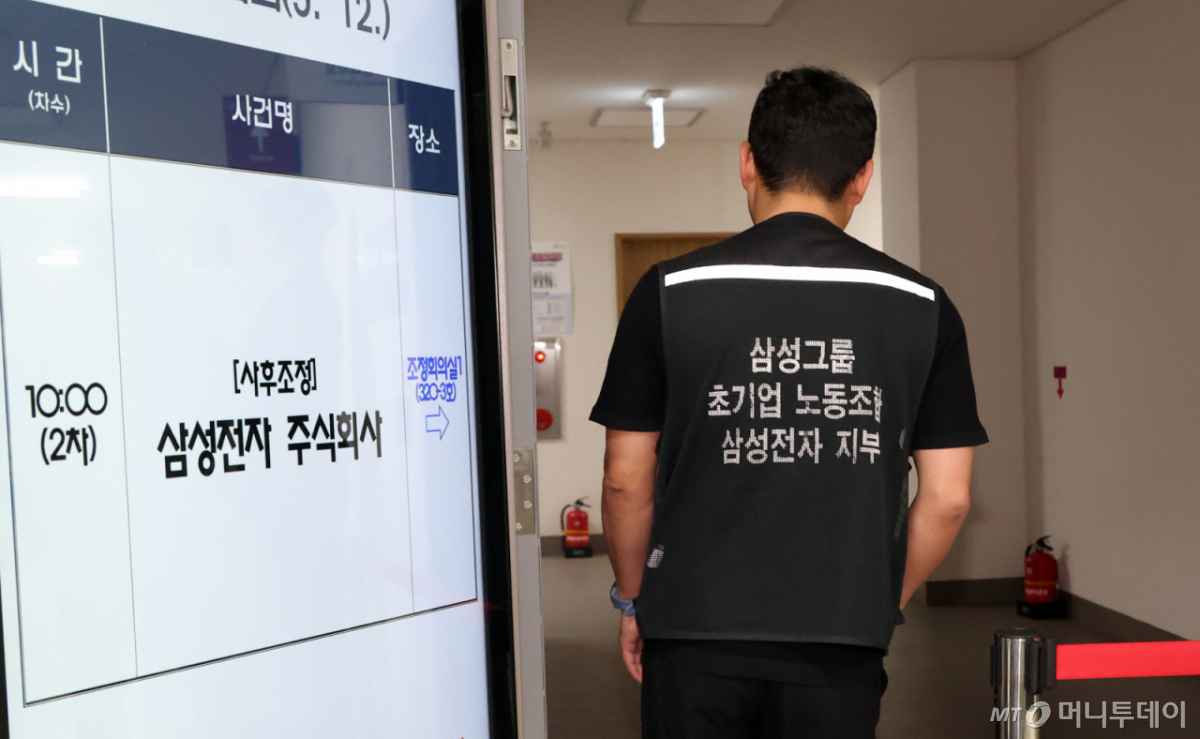
Samsung Electronics, the South Korean titan of semiconductors and consumer electronics, is currently locked in a high-stakes tug-of-war with its workforce. In an effort to resolve prolonged labor disputes, the company has put forward a financial package that, on paper, appears exceptionally generous. However, the offer is meeting significant resistance from employees who argue that monetary perks cannot substitute for a fundamental overhaul of the company’s opaque incentive system.
At the heart of the tension is a proposal that includes a wage increase of 6.2%, the introduction of low-interest housing loans for employees, and the issuance of treasury shares. While these measures are designed to bolster employee welfare and long-term loyalty, they have failed to quell the unrest surrounding the company’s performance-based bonus structures. For many workers, the dispute is no longer just about the amount of money on the table, but about the transparency and fairness of how that money is allocated.
This conflict unfolds at a critical juncture for Samsung. As the company battles fierce competition in the artificial intelligence (AI) chip market and navigates a volatile global economy, internal stability is paramount. The current impasse between management and the National Samsung Electronics Union (NSEU) highlights a broader shift in South Korean corporate culture, where a younger generation of workers is increasingly prioritizing “procedural justice” over traditional corporate loyalty.
The Anatomy of Samsung’s “Unconventional” Proposal
To break the deadlock in wage negotiations, Samsung Electronics introduced a suite of benefits that deviate from standard annual pay raises. The centerpiece of the offer is a base salary increase of 6.2%, a figure that represents a significant attempt to keep pace with inflation and retain top talent in the hyper-competitive tech sector. However, the most striking element of the proposal is the introduction of a housing loan program, allowing employees to borrow up to 500 million KRW (approximately $360,000 USD) at ultra-low interest rates. This move is seen as a strategic attempt to address the skyrocketing cost of living and real estate in the Seoul metropolitan area, effectively tying employee well-being to a tangible asset.
In addition to the wage hike and loans, the company has proposed the distribution of treasury shares—essentially giving employees a direct ownership stake in the firm. By shifting some compensation from cash to equity, Samsung aims to align the interests of its workforce with those of its shareholders, encouraging a long-term perspective on growth and stability. These measures combined suggest a management strategy focused on “total rewards” rather than simple salary increments.
Despite the scale of these offers, the response from the workforce has been lukewarm. Labor representatives argue that while a 6.2% raise and housing support are beneficial, they function as “band-aid” solutions that do not address the systemic grievances regarding how the company distributes its windfall profits during high-growth years.
The Incentive Impasse: The Battle Over OPI
The primary source of friction is the Overall Performance Incentive (OPI), a variable bonus system that can significantly augment an employee’s annual income. The OPI is designed to reward staff based on the company’s performance, but the formula used to calculate these payments has long been a point of contention. Employees have frequently complained that the criteria for these bonuses are shrouded in secrecy, leading to perceptions of unfairness and arbitrary distribution.

The tension reached a boiling point as the National Samsung Electronics Union (NSEU) demanded a more transparent and predictable incentive system. Workers are not merely asking for more money; they are demanding to know why certain amounts are awarded and how those figures correlate with actual departmental or individual performance. This demand for transparency is a hallmark of the “MZ generation” (a Korean term grouping Millennials and Gen Z), who are less likely to accept top-down directives without a clear, data-backed justification.
For the union, the company’s offer of housing loans and stock grants feels like a diversion. The argument is that while these perks are welcome, they do not solve the underlying problem of a “black box” incentive system that can leave high-performing employees feeling undervalued while others are rewarded based on opaque metrics. The refusal to clearly define the OPI formula has turned a financial negotiation into a struggle over corporate governance and respect.
The Rise of the NSEU and the Threat of Industrial Action
For decades, Samsung Electronics was known for its “no-union” culture, where labor relations were managed through paternalistic corporate structures. However, the emergence and growth of the National Samsung Electronics Union (NSEU) has fundamentally altered this dynamic. The union has successfully consolidated various smaller branches, giving workers a unified voice and significantly more leverage during collective bargaining.
The current stalemate has brought the possibility of strikes back to the forefront. While a full-scale walkout at a company as vital to the global supply chain as Samsung would be catastrophic, the mere threat of industrial action serves as a powerful tool for the union. The NSEU has signaled that It’s prepared to escalate its tactics if management continues to avoid a transparent agreement on the OPI system. This shift represents a historic departure from the traditional South Korean labor model, where employees typically avoided public conflict with their employers.
The risk for Samsung is not just the potential for lost productivity, but the damage to its employer brand. In the global race for AI talent, Samsung is competing not only with other hardware giants but with software firms and startups that offer highly transparent, equity-heavy compensation packages. If Samsung is perceived as an antiquated, opaque employer, it may struggle to attract the specialized engineers required to regain its edge in the HBM (High Bandwidth Memory) market.
Why This Matters: The Shift Toward Procedural Justice
The conflict at Samsung is a microcosm of a larger sociological trend in East Asian corporate environments. The concept of “procedural justice”—the idea that the process used to determine an outcome is as important as the outcome itself—is replacing the old model of loyalty-based rewards. In the past, a generous bonus was enough to ensure employee satisfaction. Today, the method of calculating that bonus is the primary driver of morale.
When Samsung offers a 500 million KRW loan but refuses to open the books on the OPI, it is miscalculating the desires of its modern workforce. The “unconventional” nature of the offer—focusing on loans and stocks—suggests a management team that is still thinking in terms of traditional benefits, while the employees are thinking in terms of transparency, equity, and systemic fairness.
Looking Ahead: The Path to Resolution
The resolution of this dispute will likely depend on whether Samsung management is willing to compromise on the transparency of its incentive formulas. If the company can provide a clear, verifiable framework for the OPI, the 6.2% wage increase and the housing loans could be viewed as the “icing on the cake” rather than a distraction. However, if management remains guarded, the friction is likely to persist, potentially leading to intermittent strikes or a decline in employee engagement during a critical technological transition.

Industry analysts are watching closely to see if Samsung will set a new precedent for the South Korean tech industry. A move toward transparent, formula-based incentives could trigger a wave of similar changes across other chaebols (large family-owned conglomerates), fundamentally altering the relationship between capital and labor in Korea.
The next critical checkpoint will be the upcoming union general meeting, where members are expected to vote on whether to accept the current proposal or authorize more aggressive industrial action. This vote will serve as a definitive barometer of the workforce’s appetite for the company’s current terms.
World Today Journal will continue to monitor these negotiations. We invite our readers to share their perspectives on the balance between corporate benefits and pay transparency in the comments below.