
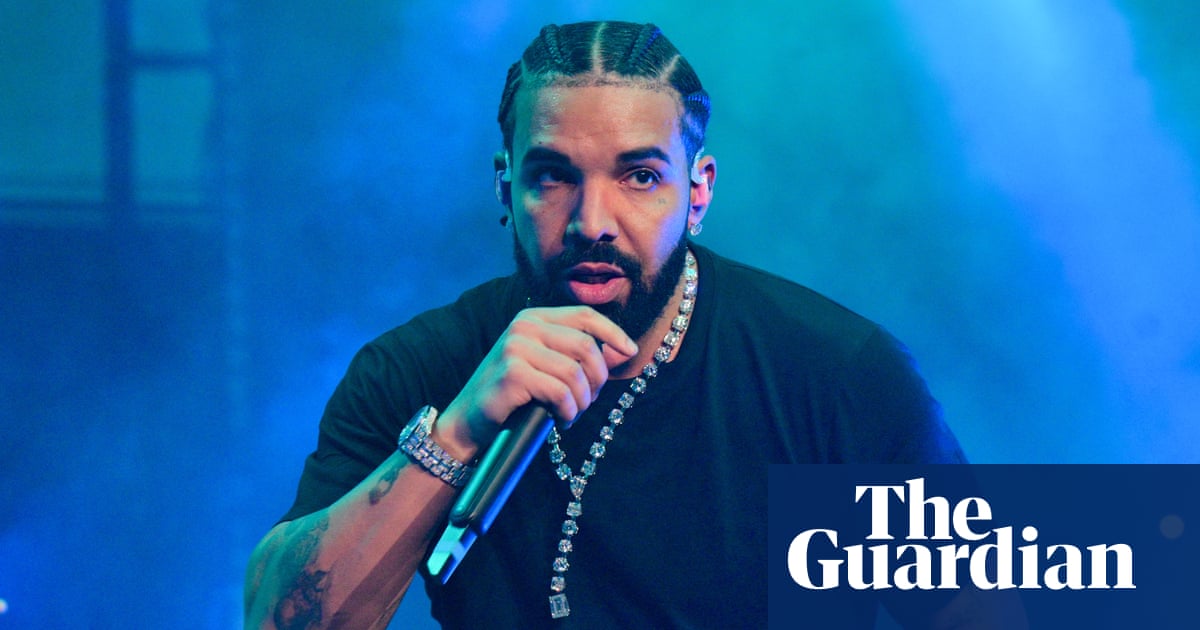
For over a decade, Aubrey “Drake” Graham has operated not just as a musician, but as a global brand—a seamless blend of hip-hop grit and pop accessibility that made him the most streamed artist in the world. However, the polished veneer of the OVO founder has faced unprecedented cracks over the last two years. Following a high-profile and bruising lyrical war with Kendrick Lamar, the Canadian superstar finds himself at a crossroads, attempting to navigate a shifting cultural landscape where his previous strengths are now being framed as liabilities.
The current conversation surrounding Drake has shifted from his chart dominance to his cultural standing. After a series of accusations that painted him as a “colonizer” of the genre and a figure out of touch with the authentic roots of hip-hop, there is a growing sense that the rapper has alienated a significant portion of his core audience, particularly female fans. Now, as he prepares the rollout for his latest project, the Drake Iceman album, the industry is watching to see if a return to “scrappy” promotion and a perceived pivot toward “manosphere” sensibilities can win back a fractured fanbase.
As an entertainment editor who has watched the trajectory of pop icons for over 15 years, I have seen many artists survive a “fall from grace.” But this is different. This isn’t a dip in sales or a failed experimental album; It’s a crisis of identity. Drake is no longer just fighting for a number-one hit—he is fighting for his relevance in a culture that has suddenly turned the mirror on him.
The Aftermath of the Lamar Feud
To understand the urgency behind the Iceman rollout, one must look back at the fallout of the 2024 conflict between Drake and Compton rapper Kendrick Lamar. While rap beefs are a staple of the genre, this particular clash transcended music, becoming a referendum on Drake’s place in hip-hop. Lamar’s Grammy-winning track “Not Like Us” served as a cultural tipping point, utilizing a catchy beat to deliver a devastating critique of Drake’s authenticity and his relationship with women.
The “colonizer” narrative—the idea that Drake adopts various cultural aesthetics for profit without possessing a genuine connection to them—stuck in a way that previous criticisms had not. This narrative was compounded by accusations regarding his personal life and the way he interacts with younger women, creating a perception of predatory behavior that resonated deeply across social media. For many female listeners, the “sensitive” persona Drake cultivated in his early career was replaced by an image that felt increasingly aligned with the restrictive and often toxic ideologies of the “manosphere.”
This shift has left Drake in a precarious position. He remains a commercial juggernaut, but the emotional connection with his audience has frayed. The consensus among critics and fans alike is that he lost the battle of narratives, leaving him to rebuild a brand that once felt bulletproof.
A ‘Scrappy’ Rollout for a Global Star
The promotional campaign for the Drake Iceman album suggests a conscious effort to move away from the corporate, polished machinery of his previous releases. In a departure from the high-budget spectacles of the past, Drake has embraced a series of guerrilla-style marketing stunts in his hometown of Toronto. These activities appear designed to evoke a sense of community engagement and “street” credibility that the Kendrick Lamar feud suggested he lacked.
Recent reports indicate that Drake “iced out” his favorite courtside seats at the Toronto Raptors’ arena, decorating them with faux icicles. This was followed by a more interactive installation: a massive block of ice placed in downtown Toronto, which the public was encouraged to chip away at until it thawed to reveal the album’s release date. These stunts are a far cry from the calculated PR of a pop star; they are the moves of an artist trying to prove he can still create a viral moment through effort and eccentricity rather than just status.
Furthering this effort, Drake has launched an episodic series on YouTube. The content features skits set in an ice manufacturing plant and footage of the rapper driving an Iceman-branded truck through the streets of Toronto. The mood is cheeky and defiant, reminiscent of the viral energy surrounding his 2016 hit “Hotline Bling,” but with a harder, more isolated edge. It is a calculated attempt to reclaim the “memester” title while signaling a new, perhaps colder, era of his artistry.
Embracing the Manosphere: A Risky Pivot
Perhaps the most contentious aspect of Drake’s current trajectory is his perceived alignment with the “manosphere”—a loose collection of online communities that often promote traditionalist, and sometimes exclusionary, views on masculinity and gender dynamics. As he loses ground with female demographics, there is a noticeable tilt in his presentation toward a more aggressive, masculine-centric posture.
This pivot is a dangerous gamble. While it may solidify his standing with a specific subset of male listeners who feel alienated by modern cultural shifts, it risks permanently severing his ties with the women who fueled his rise to pop stardom. Drake’s early appeal was rooted in his ability to be the “emotional” rapper, the one who could articulate heartbreak and vulnerability in a way that felt universal. By leaning into a more rigid, “manosphere”-adjacent persona, he risks trading his greatest asset—versatility—for a niche identity.
The question for Iceman is whether the music can bridge this gap. If the album is merely a vehicle for grievances and posturing, it may confirm the critics’ worst suspicions. However, if he can use the project to address the fallout of the last two years with genuine introspection, he may find a path toward redemption.
Can the ‘Iceman’ Win Back the Crowd?
Winning back an audience is not about the number of streams; it is about the restoration of trust. Drake has the industry infrastructure to ensure Iceman debuts at the top of the charts—his streaming power is still unmatched. But chart positions are a lagging indicator of cultural health. The real test will be whether the music resonates beyond the algorithmic reach of his existing fan base.
To successfully pivot, Drake must navigate three primary challenges:
- Authenticity: He must move beyond the “colonizer” label by delivering a sound that feels grounded and honest, rather than a curated collection of global trends.
- Accountability: Addressing the criticisms regarding his treatment of women—not through diss tracks, but through a shift in lyrical perspective—is essential to regaining female listeners.
- Consistency: The “scrappy” rollout is a start, but a few ice sculptures cannot replace a fundamental shift in how he engages with the culture.
Drake’s career has always been defined by his ability to adapt. From Degrassi to the top of the Billboard 200, he has mastered the art of the pivot. However, the 2024 feud exposed a vulnerability that no amount of marketing can fully hide. The Iceman era is not just a new album cycle; it is a survival strategy.
As we move closer to the full release of the project, the industry remains divided. Some see this as the beginning of a triumphant comeback, while others view it as the final stages of a pop star trying to maintain a grip on a culture that has already moved on. For an artist who has spent his life being the “6 God,” the prospect of being merely a legacy act is the only thing more frightening than a rap beef.
The next confirmed checkpoint for the OVO camp is the official drop of the Iceman album and the subsequent announcement of a potential world tour. Whether this tour will be a victory lap or a tentative return to the stage remains to be seen.
What do you think? Has Drake leaned too far into the manosphere, or is this just a new chapter in his evolution? Share your thoughts in the comments below.