
For many modern consumers, the allure of “Buy Now, Pay Later” or traditional installment plans makes high-ticket purchases—from the latest smartphone to essential home appliances—feel accessible. However, a significant legal and financial hurdle often emerges when the product fails. While returning a defective item bought with cash is a straightforward transaction, returning an item bought on credit introduces a complex layer of contractual friction that can leave consumers paying for products they no longer own.
The primary challenge lies in the duality of the transaction. When a consumer opts for an installment plan, they are typically entering into two distinct legal agreements: a sales contract with the retailer and a credit agreement with a financial provider. While these are often presented as a single seamless process at the checkout, they are legally separate entities. This separation creates a “hurdle” during the reclamation process: the retailer may accept the return of the goods, but the credit provider may still demand payment for the loan used to buy them.
As a financial journalist who has spent nearly two decades analyzing the intersection of economic policy and consumer behavior, I have observed that this gap in the consumer experience is where most disputes arise. The risk is not merely a matter of administrative annoyance; it can lead to severe financial consequences, including defaults that negatively impact credit ratings and long-term borrowing capacity.
The Legal Friction: Sales Contracts vs. Credit Agreements
To understand why installment purchase returns are fraught with difficulty, one must understand the concept of the “coupled contract” (known in German law as Koppelungsgeschäft). In a standard cash purchase, the exchange of money for goods is a single event. In an installment purchase, the retailer often sells the debt to a third-party bank or credit institution. The retailer receives the full amount immediately, and the consumer owes the money to the lender.
When a product is defective and the consumer exercises their right to a refund or a cancellation, the sales contract is effectively voided. However, the credit agreement does not always vanish automatically. If the consumer stops making payments to the lender based on the assumption that the return “cancels” the loan, they may find themselves in breach of the credit contract.
Under European Union consumer protection frameworks, such as the EU rules on guarantees and returns, consumers are entitled to a remedy for defective goods. In many jurisdictions, including Germany under the Bürgerliches Gesetzbuch (BGB), there is a legal link between the two contracts. If the sales contract is terminated, the credit agreement is generally considered to be terminated as well, provided the credit was specifically granted for that purchase. However, this legal protection is not always automatically triggered by the retailer’s return department.
The Credit Score Risk: The Role of Agencies Like Schufa
The most pressing danger for the consumer is the impact on their creditworthiness. In Germany, the most prominent credit agency is SCHUFA, which tracks the payment history of millions of individuals. When a consumer enters into an installment plan, this credit obligation is reported to the agency.
If a dispute arises over a defective product and the consumer ceases payments to the lender while waiting for the retailer to resolve the issue, the lender may report a payment default to the credit agency. A negative entry in a credit report can have cascading effects, making it significantly harder to secure future loans, rent an apartment, or even sign a mobile phone contract. This creates a paradoxical situation where the consumer is penalized for refusing to pay for a broken product.
The “hurdle” is therefore a communication gap. The retailer may confirm the return of the item, but they may fail to notify the credit provider promptly. Until the lender receives official confirmation that the sales contract has been rescinded, they view the unpaid installments as a standard default rather than a legitimate dispute over product quality.
Navigating the Reclamation Process
To avoid the pitfalls of installment purchase returns, consumers must take a proactive, dual-track approach to their complaints. Relying solely on the retailer’s return policy is often insufficient when a third-party lender is involved.
1. Document Everything
Maintain a rigorous paper trail. This includes the original sales contract, the credit agreement, the delivery note, and all correspondence regarding the defect. When initiating a return, ensure you receive a written confirmation from the retailer stating that the product has been returned and the sales contract is being terminated or refunded.
2. Notify the Lender Simultaneously
Do not wait for the retailer to notify the bank. Once a return is initiated, send a formal notice to the credit provider. Inform them that the goods are defective, that a reclamation process has started, and provide the evidence from the retailer. This puts the lender on notice that the debt is contested, which can help prevent automatic default reporting.
3. Avoid Unilateral Payment Stops
Stopping payments without a written agreement from the lender is risky. If the return process is expected to take weeks, it is often safer to continue payments and request a full refund of the installments once the contract is officially voided. If the amount is too high to continue paying, seek legal counsel or consumer protection advice to ensure the payment stop is legally justified under the “coupled contract” principle.
4. Leverage Consumer Protection Agencies
In the event of a stalemate between the retailer and the lender, consumers should turn to official bodies. In Germany, the Verbraucherzentrale (Consumer Advice Center) provides specific guidance on how to handle credit-linked purchases and can intervene to ensure that credit agencies are not unfairly notified of a default.
Key Takeaways for Credit-Based Shopping
- Dual Contracts: Remember that your purchase involves two separate agreements: one for the product and one for the money.
- The Coupling Principle: In many EU regions, voiding the sales contract should legally void the credit contract, but Here’s not always automatic.
- Credit Impact: Payment disputes can lead to negative reports to agencies like SCHUFA, impacting your future financial flexibility.
- Proactive Communication: Always notify the credit provider directly when returning a product; do not assume the retailer will do it for you.
The Rise of BNPL and the Evolving Landscape
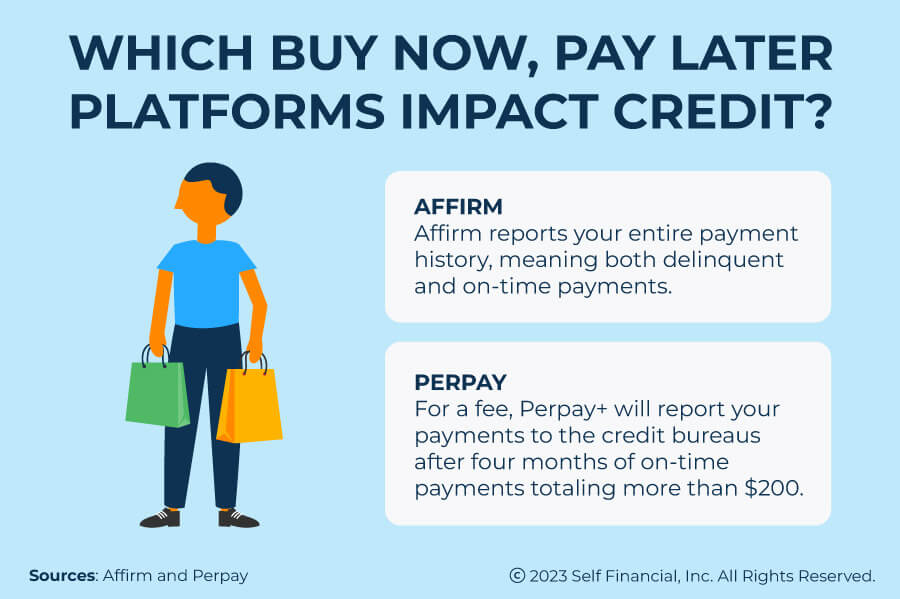
The traditional installment loan is increasingly being replaced or supplemented by “Buy Now, Pay Later” (BNPL) services. While these services often market themselves as “interest-free” and more flexible, they operate on similar principles of credit extension. Many BNPL providers also report payment data to credit bureaus, meaning the same risks associated with traditional installment loans apply.
The regulatory environment is currently shifting to address these gaps. The European Parliament and Council have been working toward stricter regulations on consumer credit to ensure that the “coupling” of contracts is more transparent and that consumer rights are more easily enforceable across borders. The goal is to ensure that the financial burden of a defective product does not fall on the consumer simply because of the way they chose to pay.
From an economic perspective, the proliferation of these credit tools has shifted the risk profile of retail. While it drives short-term sales volume, it creates a fragmented ecosystem of liability. When a product fails, the consumer is caught in the middle of a “blame game” between the entity that sold the product and the entity that financed it.
Final Professional Guidance
The convenience of installment buying is a powerful tool for managing cash flow, but it requires a higher level of diligence during the “after-sales” phase. The most critical lesson for any global consumer is that the financial obligation to a lender is often more rigid than the retail promise of a “money-back guarantee.”
By treating the lender as a primary stakeholder in the return process—rather than a background entity—consumers can bypass the hurdles that lead to credit damage and financial stress. In the modern economy, protecting your credit score is as essential as protecting your consumer rights.
The next significant milestone for consumer credit protection in Europe will be the continued implementation and refinement of the revised Consumer Credit Directive, which aims to harmonize credit rules and increase protections against predatory lending and unfair credit reporting. Consumers are encouraged to monitor updates from the European Commission regarding these directives.
Do you have experience dealing with credit providers during a product return? Share your story in the comments below or share this article to help others navigate the complexities of installment shopping.