
Engineered Algae Could Revolutionize Microplastics Removal from Drinking Water
Berlin, Germany — A groundbreaking scientific advance may soon offer a sustainable solution to one of the most persistent environmental challenges of our time: the removal of microplastics from drinking water. Researchers have developed a genetically engineered algae strain capable of capturing and neutralizing these tiny plastic particles, which currently evade conventional wastewater treatment systems. The innovation could simultaneously address pollution, nutrient runoff, and plastic waste—all while producing valuable bioplastic byproducts.
Dr. Helena Fischer, Editor of Health at World Today Journal, explains: “Microplastics are now ubiquitous in our water systems, from municipal taps to natural waterways. This algae-based technology represents a triple threat to pollution: it removes microplastics, cleans wastewater by consuming excess nutrients, and even converts the collected plastic into useful materials. It’s a rare example of science solving multiple environmental problems at once.”
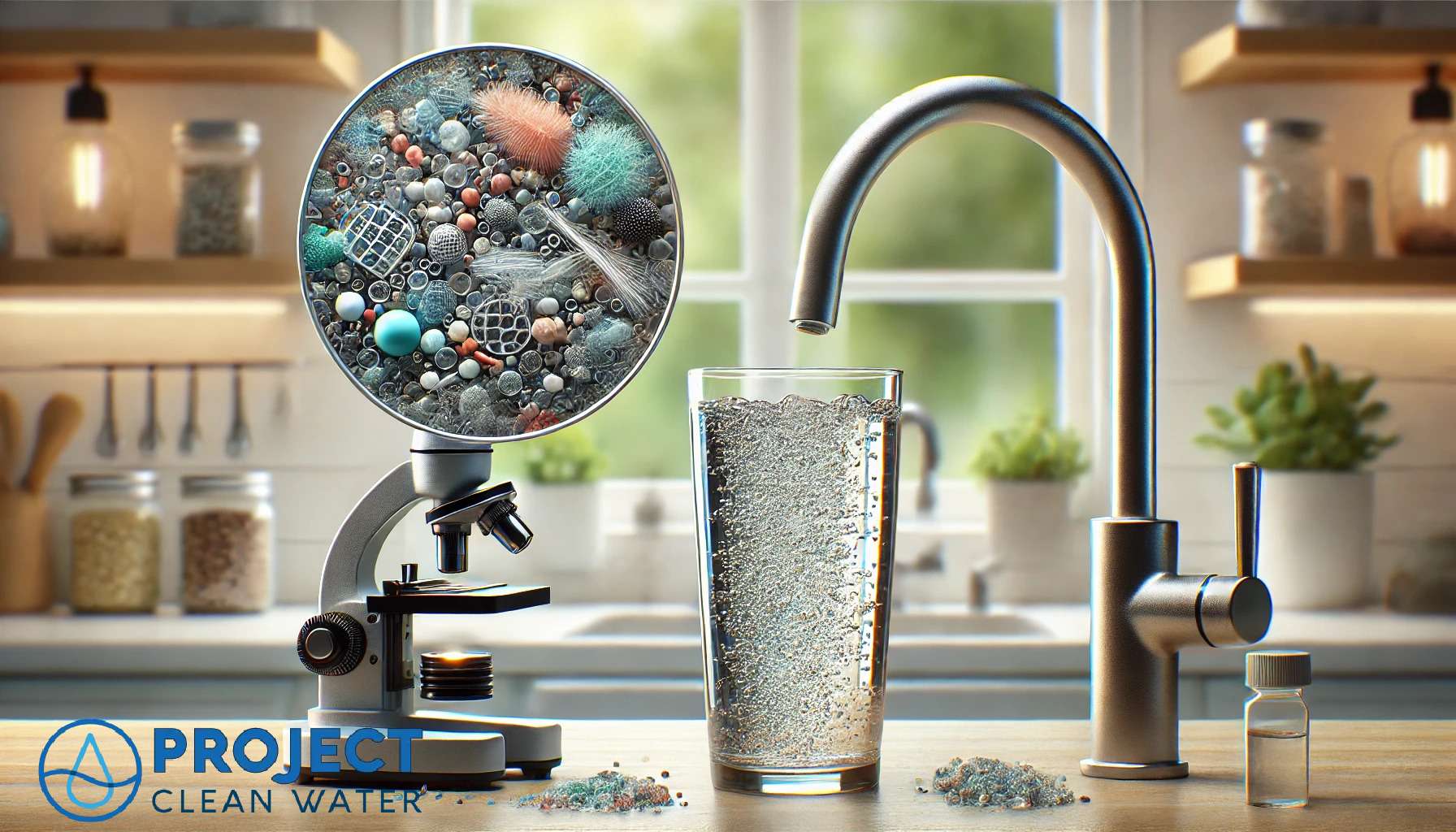
The development comes as global concern over microplastic contamination grows. Studies show these particles—smaller than 5 millimeters—have been found in human blood, lungs, and even placentas, raising alarms about long-term health impacts. Current wastewater treatment plants typically filter out only larger plastic debris, allowing microplastics to slip through into drinking water supplies.
The Science Behind the Solution
At the heart of this innovation is a specially engineered algae strain developed by Professor Susie Dai, a chemical and biomedical engineer at the University of Missouri and principal investigator at the Bond Life Sciences Center. Dai’s team used genetic engineering to modify the algae to produce limonene—a natural oil that gives oranges their scent. This compound makes the algae water-repellent, and because microplastics are also hydrophobic (water-repelling), the two substances naturally bond together when they encounter each other in water.
“Microplastics are pollutants found almost everywhere in the environment, such as in ponds, lakes, rivers, wastewater, and the fish that we consume,” Dai explains. “Currently, most wastewater treatment plants can only remove large particles of plastic, but microplastics are so small that they slip through and end up in drinking water, polluting the environment and harming ecosystems.”
The engineered algae grows in wastewater, feeding on excess nutrients like nitrogen and phosphorus—common pollutants in treated water. As it grows, it produces the limonene oil, which causes microplastics to clump together into larger, easily removable biomass. This biomass can then be harvested and processed into bioplastic products, such as composite plastic films, creating a closed-loop system.
Key Technical Details:
- Limonene Production: The algae’s natural oil production creates hydrophobic interactions with microplastics, causing them to aggregate.
- Nutrient Consumption: The algae feeds on excess nitrogen and phosphorus in wastewater, further cleaning the water.
- Biomass Harvesting: The clumped microplastics and algae form a solid layer that sinks and can be easily collected.
- Bioplastic Conversion: The harvested biomass can be repurposed into sustainable plastic alternatives.
A Three-Pronged Environmental Solution
What makes this technology particularly promising is its potential to address three major environmental issues simultaneously:
- Microplastic Removal: By binding to microplastics, the algae prevents these particles from entering drinking water supplies or natural ecosystems.
- Wastewater Cleanup: The algae consumes excess nutrients that contribute to harmful algal blooms and dead zones in lakes and rivers.
- Plastic Recycling: The collected microplastics can be transformed into bioplastics, reducing reliance on virgin petroleum-based plastics.
“By removing the microplastics, cleaning the wastewater, and eventually using the removed microplastics to create bioplastic products, One can tackle three issues with one approach,” Dai states in a recent interview.
This approach is particularly significant given the scale of the microplastics crisis. A 2021 study in Nature estimated that humans ingest an average of 5 grams of plastic per week—equivalent to eating a credit card’s worth of microplastics annually. The World Health Organization has flagged microplastics as an emerging concern, though long-term health effects remain under study.
From Lab to Real-World Application
While the technology is still in development, Dai and her collaborators at Washington University in St. Louis are working to scale up the process. Their recent study, published in Nature Communications on December 22, 2025, demonstrated the algae’s effectiveness in lab conditions. The next phase involves testing larger bioreactors in real-world wastewater treatment plants.
“We’re not just talking about a laboratory curiosity here,” says Joshua Yuan, chair of the Department of Energy, Environmental & Chemical Engineering at Washington University. “This could be a game-changer for municipal water treatment systems worldwide.”
Dai envisions the technology being integrated into existing wastewater infrastructure, with minimal additional cost. The algae could be grown in bioreactors attached to treatment plants, where it would naturally process incoming water while removing microplastics. The harvested biomass could then be processed into bioplastics, creating a revenue stream for treatment facilities.
Who Stands to Benefit?
This innovation could have far-reaching implications for multiple stakeholders:
- Consumers: Drinking water could become safer from microplastic contamination, reducing potential long-term health risks.
- Municipalities: Cities could upgrade their wastewater treatment systems without major infrastructure overhauls.
- Environmental Groups: Natural waterways would see reduced plastic pollution, benefiting aquatic life and ecosystems.
- Plastics Industry: The ability to recycle microplastics into bioplastics could create new sustainable materials markets.
- Agriculture: Cleaner water could reduce nutrient runoff that harms soil and water quality.
What Happens Next?
The research team is now focused on scaling up the technology for pilot testing in municipal wastewater treatment plants. Dai has expressed optimism about commercializing the solution within the next 3–5 years, pending successful large-scale trials. Regulatory approval will be necessary, particularly for the bioplastic conversion process, but early indications suggest the approach is safe and sustainable.
For readers interested in following this development, key milestones to watch include:
- Publication of additional peer-reviewed studies on the algae’s efficiency and scalability.
- Announcements of pilot programs in wastewater treatment facilities.
- Regulatory reviews and approvals for commercial deployment.
- Partnerships between research institutions and water treatment companies.
Key Takeaways
- The engineered algae uses limonene to bind microplastics, creating removable biomass clumps.
- It simultaneously cleans wastewater by consuming excess nutrients.
- The harvested microplastics can be converted into bioplastics, creating a circular economy.
- Current wastewater systems fail to remove microplastics, allowing them to enter drinking water.
- Scaling up the technology could revolutionize global water treatment within the next decade.
Reader Questions Answered
Q: How safe is this algae for human consumption?
The engineered algae is designed for wastewater treatment, not direct consumption. However, the bioplastics produced from the harvested biomass are intended to be food-safe and non-toxic, similar to other plant-based plastics currently on the market.

Q: Could this technology be used in developing countries?
Yes, one of the advantages of this system is its potential for low-cost, decentralized deployment. The algae can grow in simple bioreactors, making it feasible for smaller treatment facilities in resource-limited settings.
Q: When might this be available in my local water treatment plant?
While the technology is promising, widespread adoption will likely take 3–5 years. Early pilot programs may begin within the next 1–2 years, with full-scale implementation following successful testing.
Q: What other microplastic removal technologies exist?
Current methods include advanced filtration systems, electrochemical treatments, and membrane technologies. However, these often require significant energy input or produce toxic byproducts. The algae-based approach is notable for its dual benefits of pollution removal and resource recovery.
Looking Ahead: The Future of Water Cleanup
As microplastics continue to permeate our environment, innovations like Dai’s engineered algae offer a glimmer of hope. The technology represents a shift from reactive pollution cleanup to proactive, sustainable solutions that turn waste into resources. For public health advocates, environmental scientists, and policymakers alike, this development underscores the importance of investing in bioengineered solutions that align economic viability with ecological preservation.
Dr. Fischer concludes: “This isn’t just about cleaning water—it’s about rethinking how we interact with plastic waste at a fundamental level. If successful, this could set a new standard for environmental innovation, proving that science can deliver solutions that are both effective and elegant.”
What do you think about this potential breakthrough? Could engineered algae change how we treat wastewater in your community? Share your thoughts in the comments below.
Follow World Today Journal for updates on this story and other cutting-edge health and science news.
Related reading