
Senegal is moving toward a significant shift in its agricultural landscape, intensifying efforts to bolster domestic dairy production and reduce a long-standing reliance on imported milk. As the nation seeks to achieve greater food sovereignty, a new wave of collaboration between international technical experts, local industry leaders, and state stakeholders is beginning to take shape, aimed at transforming the livestock value chain from the ground up.
The drive for dairy sovereignty in Senegal is not merely a matter of economic policy but a critical necessity for national food security. For years, the country has faced challenges in meeting the growing demand for milk, leading to high consumer costs and a vulnerability to global market fluctuations. To address these systemic gaps, recent initiatives have focused on bridging the technical knowledge divide, particularly in ruminant management and high-quality feed production.
Central to this transformation is the integration of advanced agricultural techniques and specialized training designed to empower local producers. By focusing on the intersection of nutrition, farm management, and profitability, stakeholders are working to build a more resilient domestic network capable of supplying the Senegalese market sustainably.
Addressing the Import Gap: Strengthening the Dairy Value Chain
Senegal’s dairy sector has historically struggled with an underdeveloped domestic production network. This lack of local capacity has necessitated heavy reliance on milk imports, a factor that contributes to higher prices for consumers and limits the growth of local agribusinesses. To combat this, technical assistance is being deployed to expand the capacity of local farmers and improve the quality of raw materials available for processing.
The U.S. Grains & BioProducts Council (USGBC) has recently taken a leading role in these efforts. Through targeted training programs, the Council is working to improve production methods across the country. Mohamed Salah Bouthour, the USGBC Deputy Regional Director for Africa, has been instrumental in overseeing these delegations, emphasizing that technical assistance is the key to expanding raw material demand and reducing the economic burden of imports.
One of the most critical components of this effort is the focus on ruminant management. In response to requests from major industry players, such as the large-scale feed miller NMA Sanders, the USGBC has sponsored intensive programs to address dairy cow nutrition. These programs, often led by experts from the Council’s Regional Feed Training Center in Tunisia, provide farmers with the scientific and practical tools necessary to maximize milk yields and optimize herd health.
A Multidisciplinary Approach: Poultry and Dairy Synergy
The push for agricultural sovereignty in Senegal is not limited to dairy; it extends to the poultry sector, which shares many of the same foundational requirements for success, namely high-quality feed and efficient farm management. The USGBC has adopted a holistic approach, recognizing that the stability of the livestock sector depends on a robust and well-trained workforce across multiple disciplines.

In a significant move to foster local leadership, the USGBC partnered with the Poultry Association of Senegal (IPAS) to deliver specialized training workshops. This collaboration, which included sessions hosted at the Reference Center for Poultry Professions in Diamniadio, represents a new model for West African agricultural development: a “train the trainers” initiative. By instructing local leaders in advanced techniques, the program ensures that specialized knowledge is not just imported, but is instead embedded within local communities for long-term benefit.
This model of locally led, industry-based training is designed to create a multiplier effect. As local experts gain proficiency in nutrition and management, they can pass these skills to smaller-scale farmers, gradually elevating the standards of the entire national industry. This systemic improvement is essential for creating a domestic market that can eventually compete with international imports on both price and quality.
Key Stakeholders in Senegal’s Agricultural Transformation
The transition toward dairy and poultry sovereignty involves a complex web of actors, ranging from international technical bodies to local commercial enterprises and professional associations. The following table outlines the primary entities currently driving these sectoral improvements:
| Stakeholder | Role in Sector Transformation |
|---|---|
| USGBC | Providing technical training, leadership, and international expertise in feed and livestock management. |
| IPAS (Poultry Association of Senegal) | Partnering on industry-based training and facilitating local leadership development. |
| NMA Sanders | Leading large-scale feed milling operations and driving demand for improved ruminant nutrition. |
| Regional Feed Training Center (Tunisia) | Supplying specialized expertise in ruminant management and nutrition. |
| Local Producers | Implementing new management and nutritional practices to increase domestic output. |
The Path Forward: From Training to Market Stability
While the current focus remains heavily on technical capacity building and nutritional optimization, the ultimate goal is a self-sustaining ecosystem. For Senegal to achieve true dairy sovereignty, the improvements in farm-level productivity must be matched by investments in local processing infrastructure and more efficient distribution networks. The work being done in training centers and on individual farms is the necessary precursor to a larger industrial scale-up.
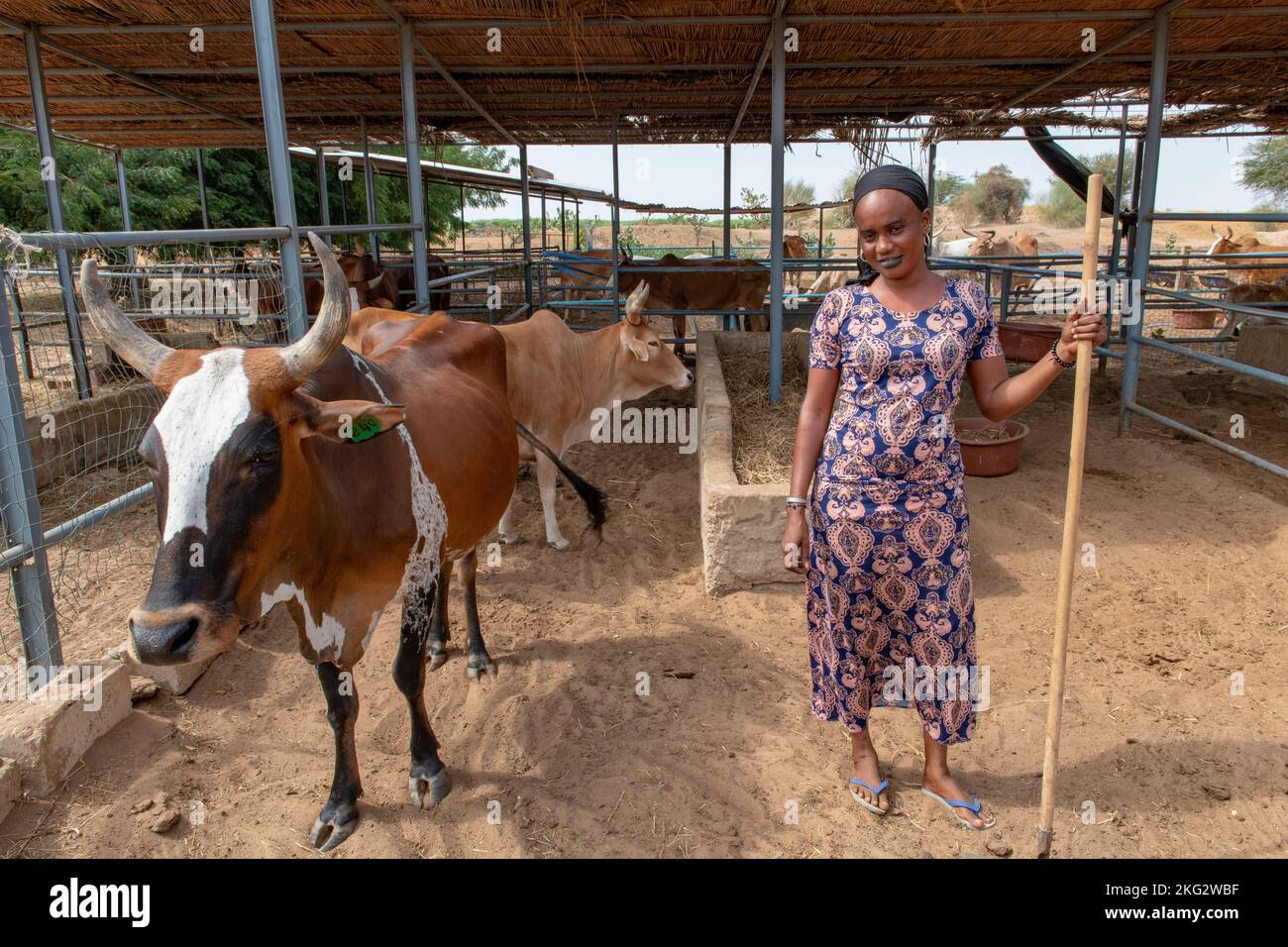
As the sector evolves, the integration of researchers and state actors will be vital to ensure that agricultural policies align with the practical needs of producers. The recent emphasis on “train the trainers” suggests a move toward a more decentralized and sustainable knowledge economy, where the tools for success are held by the Senegalese people themselves.
The success of these initiatives will likely be measured by the gradual reduction in milk import volumes and the increasing presence of locally produced, high-quality dairy products in Senegalese markets. As the technical foundations are laid, the economic potential for rural communities and the nutritional security for the broader population continue to grow.
Next Steps: Stakeholders are expected to continue monitoring the impact of the recent ruminant management programs on local milk yields, with further training cycles planned to expand the reach of the USGBC and IPAS initiatives across West Africa.
What do you think about Senegal’s approach to food sovereignty? Can technical training alone bridge the gap in domestic production? Share your thoughts in the comments below and share this article with your network.