
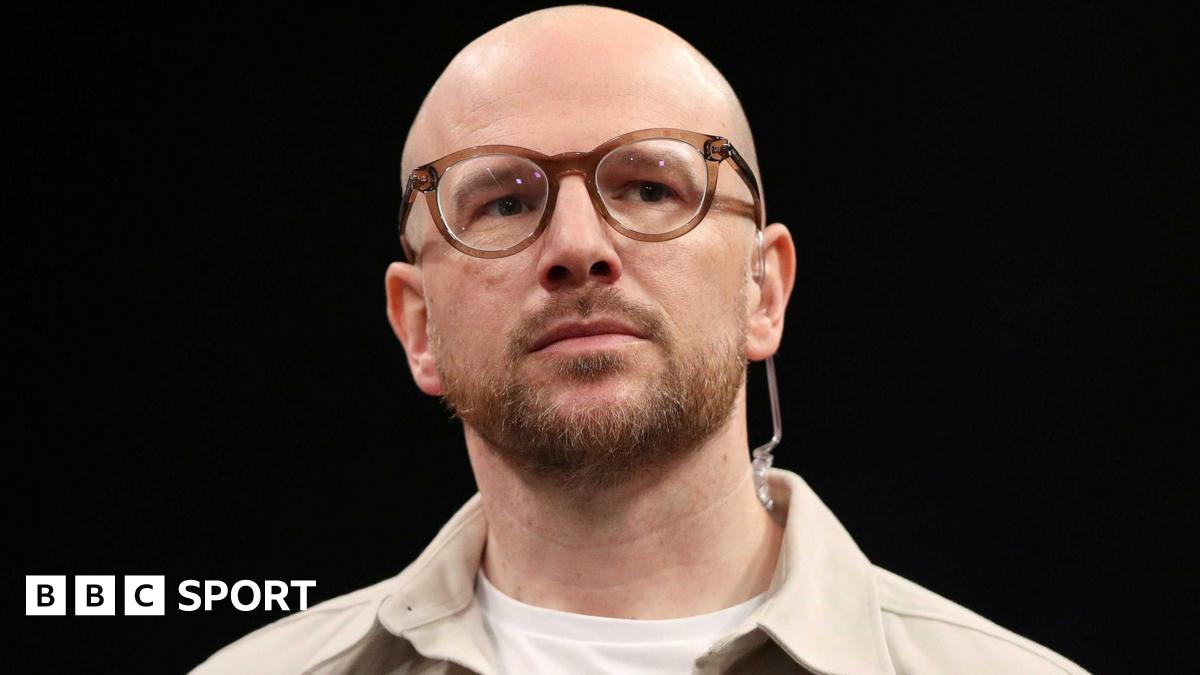
St Asaph’s Webster shares progress in battle against rare blood cancer, offering hope to patients worldwide
In a heartening update that has resonated across the medical community and beyond, Webster, a 42-year-old resident of St Asaph in north Wales, has shared encouraging news about his ongoing treatment for hairy cell leukaemia. Diagnosed earlier this year, Webster’s journey has captured global attention—not only for his resilience but also for the broader implications his story holds for patients battling similar rare cancers. While details of his diagnosis and treatment timeline remain private, his willingness to speak openly about the challenges and progress has provided a beacon of hope for others navigating the same path.
Hairy cell leukaemia, a slow-growing type of blood cancer, accounts for less than 2% of all leukaemia cases worldwide. Its rarity often means limited public awareness, but Webster’s story is shedding light on the realities of diagnosis, treatment, and recovery. According to the UK’s Cancer Research UK, the condition typically affects older adults, though cases like Webster’s—diagnosed in his early 40s—highlight the unpredictable nature of the disease. Treatment often involves chemotherapy, targeted therapies, or bone marrow transplants, depending on the patient’s overall health and the cancer’s progression.
Webster’s decision to share his journey publicly aligns with a growing trend among patients and survivors who use their platforms to advocate for better awareness and support systems. In recent years, high-profile cases—such as those of athletes and public figures—have drawn attention to the emotional and physical toll of cancer treatments, while also celebrating the advancements in medical care. For Webster, whose story has been closely followed by local media and cancer support groups, the focus remains on the road ahead: monitoring his response to treatment and maintaining hope for a full recovery.
From Diagnosis to Treatment: Understanding Hairy Cell Leukaemia
Hairy cell leukaemia is characterized by the accumulation of abnormal white blood cells in the bone marrow, leading to symptoms such as fatigue, weight loss, and an increased susceptibility to infections. Unlike more aggressive forms of leukaemia, it progresses slowly, which often allows patients more time to explore treatment options tailored to their needs. The UK’s National Health Service (NHS) notes that while chemotherapy remains a cornerstone of treatment, newer therapies—such as the drug pentostatin—have improved outcomes significantly over the past decade.

Webster’s case reflects the personalized approach now standard in oncology. His treatment plan, while not publicly detailed, likely includes regular monitoring of his blood counts, bone marrow biopsies, and consultations with a multidisciplinary team of haematologists and oncologists. The rarity of his diagnosis means his care team may have drawn on expertise from specialized centres, such as those at the Velindre NHS Trust in Wales, where advanced therapies and clinical trials are accessible.
For patients like Webster, the emotional journey can be as challenging as the physical one. Support networks—both professional and peer-based—play a critical role in managing the psychological impact of a cancer diagnosis. Organizations such as the Leukaemia Care charity in the UK offer counseling, financial assistance, and practical guidance to patients and their families. Webster’s openness about his experiences has already inspired others to seek out these resources, underscoring the power of shared narratives in healthcare.
Webster’s Story: A Beacon of Hope for Rare Cancer Patients
While Webster has not disclosed specific details about his treatment regimen or prognosis, his willingness to engage with the public has fostered a sense of community among those facing similar battles. In an interview with a local Welsh publication earlier this year, he emphasized the importance of not viewing a cancer diagnosis as a solitary struggle. “There are so many people out there who feel alone because their condition is rare,” he shared. “But when you connect with others, you realize you’re not fighting this battle by yourself.”
This sentiment resonates deeply in the rare disease community, where patients often grapple with a lack of awareness and limited access to specialized care. According to the Global Genes Project, rare diseases affect approximately 300 million people worldwide, with many facing delays in diagnosis and treatment. Webster’s story serves as a reminder that even in the face of uncertainty, advocacy and solidarity can transform the patient experience.
His journey has also highlighted the role of social media in modern healthcare. Platforms like Instagram and Facebook have become vital tools for patients to document their progress, ask questions, and connect with others. For Webster, these platforms have been a double-edged sword: while they provide a lifeline to support, they also amplify the scrutiny and expectations placed on public figures navigating private health battles. Balancing transparency with privacy remains a delicate act, one that many patients and survivors must navigate.
What Lies Ahead: Monitoring Progress and Advocacy
As Webster continues his treatment, the next critical checkpoint will be the evaluation of his response to chemotherapy. Typically, doctors assess progress through blood tests and imaging studies every few months. For hairy cell leukaemia patients, remission rates are high—often exceeding 80% with appropriate therapy—but long-term monitoring is essential to detect any recurrence early. Webster’s team will likely recommend regular follow-ups, even after symptoms have subsided, to ensure sustained remission.
Beyond his personal journey, Webster has expressed a desire to use his platform to advocate for better resources and research into rare cancers. His story has already sparked conversations about the need for improved early detection methods and more accessible clinical trials. In Wales, where healthcare is delivered through the NHS, patients like Webster benefit from a system that prioritizes equitable access to treatment. However, disparities remain in regions with limited specialist facilities, underscoring the need for continued investment in oncology infrastructure.
For those following Webster’s progress, the next official update is anticipated in the coming months, as his medical team prepares to review his treatment plan. In the meantime, he encourages others to reach out to support organizations and to share their own stories. “The more we talk about it, the more we normalize it,” he has said. “And the more we normalize it, the easier it becomes for others to seek help.”
Key Takeaways: What Webster’s Story Means for Patients
- Rarity doesn’t mean isolation: Hairy cell leukaemia affects fewer than 2% of leukaemia patients, but support networks and advocacy groups can bridge the gap between patients and resources.
- Treatment is evolving: Advances in chemotherapy and targeted therapies have improved outcomes, but access to specialized care remains uneven globally.
- Public narratives matter: Sharing personal stories reduces stigma and encourages others to seek early intervention.
- Monitoring is lifelong: Even after remission, regular check-ups are crucial to detect recurrence.
- Advocacy drives change: Patient-led initiatives can push for better research funding and policy reforms in oncology.
A Call to Action: How You Can Support
Webster’s story is a testament to the power of resilience and community. If you or a loved one is facing a rare cancer diagnosis, consider the following steps:

- Connect with support groups such as Leukaemia Care or Global Genes.
- Explore clinical trials through platforms like Cancer Research UK’s trial finder.
- Share your story—whether publicly or privately—to help others feel less alone.
- Advocate for better rare disease research by contacting local policymakers or supporting relevant charities.
As Webster’s journey continues, his message remains clear: hope is not lost, even in the face of adversity. For now, the focus is on the next steps—monitoring, healing, and inspiring others to do the same. We’ll keep you updated as more details emerge, and we invite you to share your thoughts or experiences in the comments below. Together, we can turn stories like Webster’s into a catalyst for change.