
The French Riviera has once again transformed into the global epicenter of cinema as the 79th edition of the Cannes Film Festival officially commences. For the next 12 days, the Croisette will play host to a concentrated parade of the world’s most anticipated premieres, high-fashion red carpets and the intense intellectual debate that defines the most prestigious film festival on earth.
As an entertainment journalist who has spent over 15 years covering the intersection of art and celebrity, I have seen the festival evolve through various eras of cinema. However, the 2026 edition feels distinct. There is a palpable shift toward auteur-driven storytelling and a deliberate embrace of international voices, contrasting with the heavy Hollywood presence that has occasionally dominated previous years. This year, the focus returns to the “cinema of the author,” where the vision of the director takes precedence over studio mandates.
The festival opens with a blend of traditional grandeur and fresh energy. From the selection of the Mistress of Ceremonies to the appointment of a legendary South Korean filmmaker as Jury President, the 79th edition is positioned to celebrate both the heritage of the medium and its future. With 22 films locked in competition for the coveted Palme d’Or, the stakes are high for filmmakers seeking the ultimate seal of artistic approval.
For those following the event from afar, the narrative of Cannes is rarely just about who wins the top prize. It is about the discovery of emerging voices, the return of established masters, and the cultural conversations sparked by films that challenge the status quo. This year’s lineup suggests a deep dive into psychological complexity and visual poetry, promising a rigorous competition that will keep critics and cinephiles guessing until the final curtain call.
The Opening Spectacle: ‘The Electric Kiss’ and Honorary Tributes
The 79th Festival de Cannes has set a sophisticated tone with its opening selection. This year, the honor of opening the festival falls to La Vénus électrique (The Electric Kiss), directed by Pierre Salvadori. Known for his ability to balance wit with human fragility, Salvadori brings a film that promises to capture the imaginative spirit the festival prizes. The opening film serves as the gateway to the event, setting the aesthetic and emotional bar for the days to follow.
Adding to the prestige of the opening ceremonies is the appointment of French-Malian actress Eye Haïdara as the Mistress of Ceremonies. Haïdara, first brought to prominence in Le Sens de la fête (C’est la vie!), represents the modern, multicultural face of French cinema. Her role is pivotal, acting as the bridge between the official protocol of the Palais des Festivals and the electric energy of the artists arriving on the red carpet.
One of the most significant moments of the opening sequence is the awarding of the Honorary Palme d’Or to Peter Jackson. While Jackson is globally recognized for his monumental adaptations of The Lord of the Rings and The Hobbit, the festival’s tribute acknowledges his versatility as an eclectic filmmaker. By honoring Jackson, Cannes recognizes the bridge between massive commercial success and a poetic, fanciful approach to storytelling that has influenced a generation of filmmakers worldwide.
The Jury and the Race for the Palme d’Or
The heart of the festival lies in the Official Competition, where 22 films are vying for the Palme d’Or, the most prestigious award in international cinema. The decision rests in the hands of a jury that reflects a diverse range of cinematic perspectives, chaired this year by the visionary South Korean filmmaker Park Chan-wook.
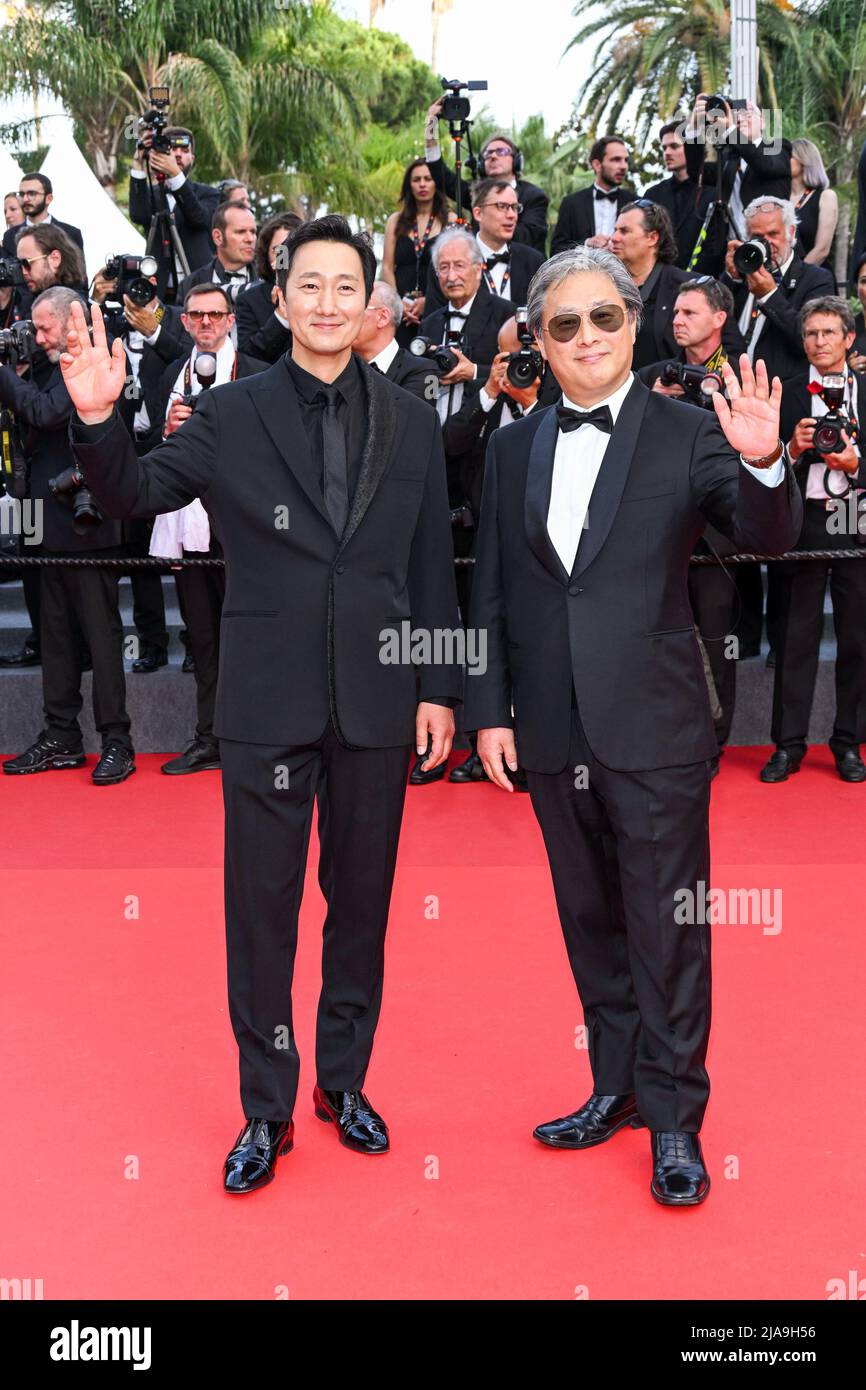
Park Chan-wook is renowned for creating visually striking and psychologically complex cinema, and his presidency suggests that the jury will value bold formal experimentation and narrative depth. He is supported by an international panel of jurors that blends acting prowess with directorial brilliance, including:
- Demi Moore, bringing a veteran perspective on performance and industry longevity.
- Ruth Negga, one of the most acclaimed actresses of her generation.
- Chloé Zhao, an Oscar-winning director known for her naturalistic style.
- Stellan Skarsgård, a titan of international and independent cinema.
The presence of Chloé Zhao on the jury is particularly noteworthy, as she represents the rare bridge between the American independent spirit and the global recognition of the Academy Awards. Together, this group must navigate a wide cinematic spectrum, blending the works of established auteurs with emerging voices from across the globe. The final winner of the Palme d’Or will be announced on May 23, marking the climax of the festival’s competitive arc.
The Return to Auteur Cinema and International Influence
A defining characteristic of the 2026 edition is the strategic emphasis on auteur-driven storytelling. In recent years, the tension between “mainstream” Hollywood productions and “art-house” cinema has been a recurring theme at Cannes. This year, however, there is a comparatively smaller presence of major studio blockbusters in the main competition, allowing more space for international cinema to breathe.
This shift is significant because it reaffirms Cannes’ role as a sanctuary for cinema that takes risks. Auteur cinema—films where the director is the primary creative force—often explores themes that are too provocative or structurally unconventional for wide commercial release. By prioritizing these works, the festival ensures that cinema remains an art form capable of challenging the viewer, rather than merely entertaining them.
The international diversity of the 22 competition films underscores a globalized cinematic landscape. From the psychological rigor of East Asian cinema to the raw social commentaries emerging from Latin America and Africa, the selection reflects a world in flux. For these filmmakers, a screening at Cannes is not just about the award; it is about gaining access to the world’s most influential buyers, critics, and distributors, which can determine the global reach of their work.
Cannes Classics: Celebrating the Legacy of ‘Pan’s Labyrinth’
Beyond the competition, the festival continues to honor the history of the medium through the Cannes Classics section. This year, the section is opened by the legendary Guillermo del Toro, who returns to the Croisette to celebrate the 20th anniversary of his masterpiece, El laberinto del fauno (Pan’s Labyrinth).
The screening of Pan’s Labyrinth serves as a reminder of the enduring power of dark fantasy used as a metaphor for political and social trauma. Del Toro’s work exemplifies the “auteur” spirit—a singular vision that blends meticulous craft with deep emotional resonance. By integrating these retrospectives, the festival provides a necessary dialogue between the classics of the past and the innovations of the present.
The Cannes Classics section is vital because it prevents the festival from becoming solely focused on the “new.” It reminds the industry that true cinematic impact is measured not by the immediate reaction of a premiere, but by how a film continues to resonate decades after its release. The 20th anniversary of Pan’s Labyrinth is a testament to the film’s status as a modern classic of global cinema.
Key Takeaways for the 79th Festival de Cannes
- Opening Film: La Vénus électrique (The Electric Kiss) by Pierre Salvadori.
- Jury Leadership: Presided over by South Korean director Park Chan-wook.
- Special Honors: Peter Jackson receives the Honorary Palme d’Or.
- Competition Scale: 22 films are competing for the top prize, the Palme d’Or.
- Key Dates: The festival concludes with the awards ceremony on May 23.
- Artistic Focus: A strong pivot toward auteur-driven and international cinema over mainstream Hollywood.
As the festival progresses, the industry will be watching closely to see which of the 22 competition films emerges as the favorite. Will the jury lean toward a daring experimental work, or will a more traditional narrative take the prize? In the world of Cannes, the answer is rarely simple, and the debate is where the real magic happens.
The next major checkpoint for the film world will be the final jury deliberations and the subsequent announcement of the Palme d’Or winner on May 23. Until then, the Croisette remains the most exciting place on earth for anyone who believes in the transformative power of the moving image.
Do you have a favorite filmmaker in this year’s competition, or a prediction for the Palme d’Or? Share your thoughts in the comments below and join the conversation on the future of global cinema.
Worth a look