
Health authorities in the Chubut province of Argentina are on high alert following the confirmation of a new hantavirus case in the locality of Corcovado. The patient is currently receiving critical care in an intensive care unit, prompting immediate epidemiological interventions to prevent further spread within the community.
The situation has triggered a rapid response from regional health services, who have placed four family members of the patient under strict isolation and surveillance. This development comes amid broader concerns regarding the prevalence of the virus in the Patagonian region, where environmental factors often increase the risk of human exposure to infected rodent populations.
While the medical team focuses on the stability of the patient in Corcovado, officials are simultaneously investigating a suspected case in the nearby city of Esquel. The dual focus on these two locations underscores the volatility of the current health landscape in Chubut, as authorities work to determine if these instances are isolated events or part of a larger localized spike in infections.
As a physician and health journalist, I have seen how the intersection of climate shifts and rural living can create perfect conditions for zoonotic diseases. Hantavirus is a prime example of a pathogen that remains a persistent threat in the Americas, requiring constant vigilance and public education to manage its high lethality rate.
Public Health Response and Containment in Chubut
The confirmation of the hantavirus case in Corcovado has activated a rigorous containment protocol. The patient’s admission to the intensive care unit reflects the severity of the illness, which typically progresses rapidly into respiratory failure. Health officials are now conducting contact tracing to identify anyone who may have been exposed to the same environment as the patient.
The decision to isolate four family members is a precautionary measure. While most hantavirus strains are transmitted from animals to humans, health authorities in South America remain cautious about the Andes virus, a specific strain known for its rare but documented ability to spread through limited human-to-human transmission among close contacts. This risk necessitates the strict monitoring of the patient’s immediate circle to ensure no secondary infections occur.
In Esquel, the situation remains under investigation. Medical professionals are monitoring a patient in intensive care to determine if their symptoms are caused by hantavirus or another respiratory condition. The simultaneous occurrence of these critical cases in different parts of the province has led to increased coordination between municipal health centers and the provincial ministry of health to ensure diagnostic resources are available for rapid confirmation.
Understanding the Risk: What is Hantavirus?
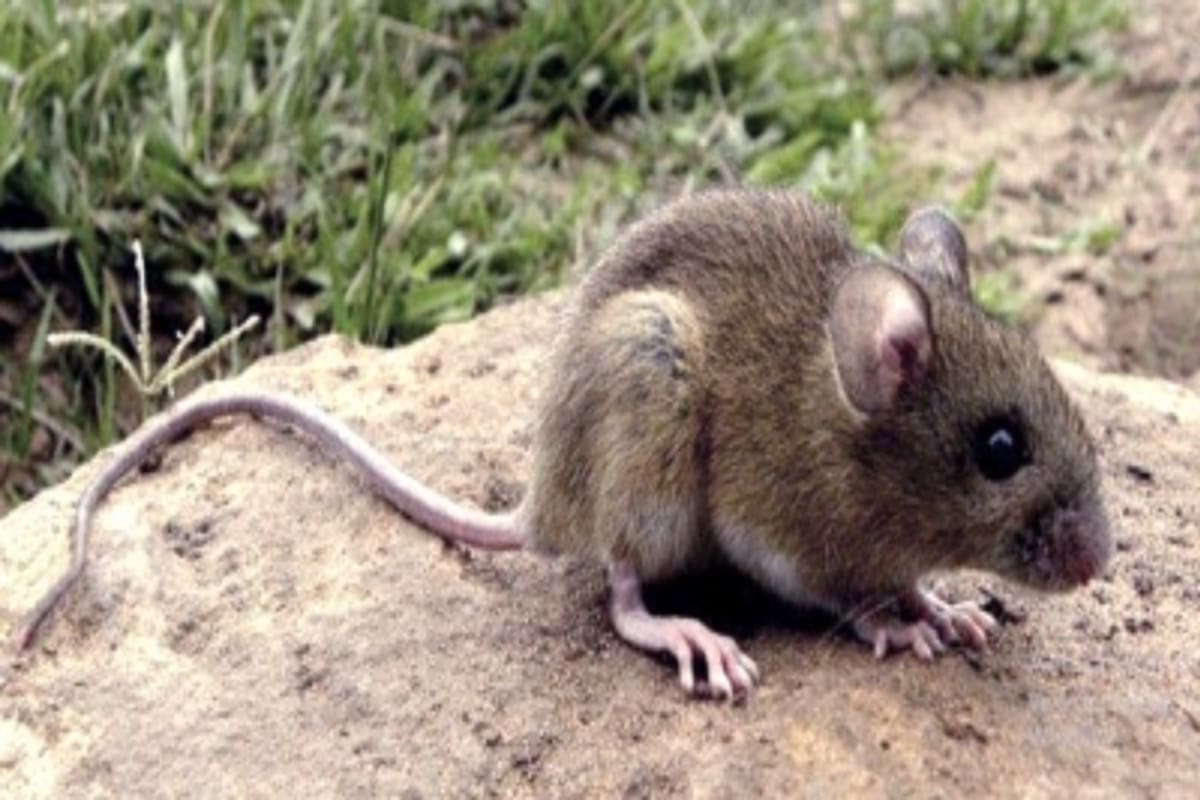
Hantavirus is a zoonotic virus, meaning This proves transmitted from animals to humans. In the Americas, the virus primarily causes Hantavirus Pulmonary Syndrome (HPS), a severe respiratory disease that can be fatal if not treated early. The virus is carried by specific species of wild rodents, which shed the pathogen through their urine, droppings, and saliva.

Humans typically become infected through the inhalation of aerosolized viral particles. This occurs when dried rodent waste is stirred up—for example, during the cleaning of a shed, garage, or rural cabin—and the virus enters the lungs through the air. While bites or scratches from infected rodents can transmit the virus, these instances are significantly less common than airborne exposure.
The progression of HPS generally follows two phases. The initial phase often mimics the flu, with patients experiencing fatigue, fever, and muscle aches, particularly in the thighs, hips, and back. However, within a few days, the disease can progress rapidly to the late phase, characterized by coughing and severe shortness of breath as the lungs fill with fluid. Because these early symptoms are non-specific, early diagnosis is often challenging, making supportive medical care in an ICU setting essential for survival.
Prevention Strategies for High-Risk Areas
For residents of Chubut and those traveling through the Patagonian region, prevention focuses on reducing contact between humans and infected rodents. Because the virus is endemic to certain rural and forested areas, taking specific precautions during cleaning and home maintenance is critical.
Health organizations recommend the following safety measures to minimize the risk of infection:
- Ventilation First: Before entering any enclosed space that has been closed for a long period (such as a summer home or storage shed), open all doors and windows and allow fresh air to circulate for at least 30 minutes.
- Avoid Dry Sweeping: Never sweep or vacuum areas where rodent droppings are present, as this kicks the virus into the air. Instead, spray the area with a disinfectant or a mixture of bleach and water to wet the waste before wiping it up with paper towels.
- Seal Entry Points: Prevent rodents from entering living spaces by sealing holes and cracks in walls, floors, and ceilings.
- Secure Food Sources: Store food and pet feed in rodent-proof metal or glass containers to discourage wildlife from nesting near the home.
Early detection is the most significant factor in improving patient outcomes. Anyone who has spent time in rural areas or cleaned enclosed spaces and begins to experience fever and muscle aches should seek medical attention immediately, informing their provider of their potential exposure to rodent-infested environments.
Regional Outlook and Clinical Management
The current situation in Chubut is a reminder of the ongoing challenge of managing zoonotic diseases in the southern cone of South America. The environmental conditions of Patagonia—characterized by vast wild spaces and specific rodent reservoirs—make the region naturally susceptible to these outbreaks.

From a clinical perspective, there is no specific cure or antiviral drug that eliminates hantavirus. Treatment is primarily supportive, focusing on respiratory support via ventilators and close monitoring of cardiac and kidney functions. The speed at which a patient is transferred to an intensive care unit often determines the likelihood of recovery.
Public health officials continue to monitor the interaction between climate patterns and rodent populations, as changes in food availability (such as seed production) can lead to an increase in the rodent population, subsequently raising the risk of human encounters with the virus.
The next confirmed checkpoint for the public will be the official diagnostic report regarding the suspected case in Esquel and the clinical status update on the patient in Corcovado, both of which are expected from the provincial health ministry in the coming days.
Do you live in or travel to the Patagonian region? Share your thoughts or questions about rural health safety in the comments below.