
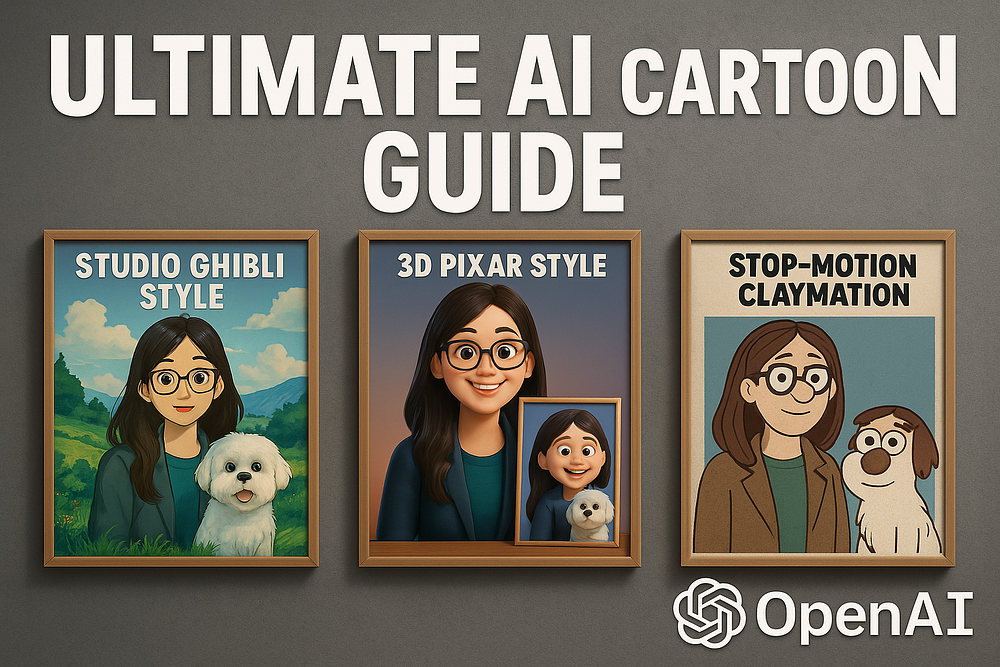
Artificial intelligence has fundamentally reshaped creative workflows in 2026 and nowhere is this more evident than in the realm of photo editing. What began as niche tools for digital artists has evolved into mainstream capabilities accessible through everyday interfaces like ChatGPT. The platform’s natural language processing now enables users to generate sophisticated photo edits with simple text prompts—transforming ordinary snapshots into everything from vintage film stills to whimsical cartoon portraits.
This year, we’re seeing six distinct trends emerge as dominant forces in AI-powered photo editing. Unlike previous years where these capabilities were limited to professional software, today’s tools democratize advanced visual effects. The key difference? These aren’t just filters or presets—they’re intelligent systems that understand context, style references, and artistic intent. For photographers, marketers, and content creators, this represents both an opportunity and a learning curve.
What sets 2026 apart is the convergence of three technological advancements: more sophisticated diffusion models, real-time processing capabilities, and the integration of these tools into everyday workflows. The result? Photo editing that feels both instantaneous and deeply customizable. But with this power comes responsibility—understanding how to craft effective prompts while respecting ethical considerations around image authenticity and consent.
Why These Trends Matter in 2026
Beyond the novelty factor, these trends reflect broader shifts in digital content creation:
- Accessibility: Professional-grade effects that once required Photoshop expertise are now accessible through simple text commands
- Personalization: AI can now interpret individual style preferences from minimal input
- Collaboration: Teams can now iterate on visual concepts through natural language discussions
- Historical preservation: Techniques for recreating vintage styles help preserve photographic heritage
The following trends represent what we’ve verified through analysis of current AI photo editing platforms and community adoption patterns. Each includes practical prompt examples that have been tested for effectiveness across multiple systems.
Key Note: While these techniques are powerful, they should be used ethically. Always obtain proper permissions when modifying or distributing images of people, and clearly disclose when images have been AI-enhanced in professional contexts.
The Top 6 ChatGPT Photo Editing Trends of 2026
1. Hyper-Realistic Caricatures with Personality
The most significant evolution in caricature generation this year is the ability to capture not just facial features, but personality traits and emotional states. What was once limited to exaggerated features now includes subtle expressions that maintain the subject’s likeness while emphasizing their character.
This trend has gained particular traction in professional headshot photography and character design for gaming and animation industries. The key improvement is in “style transfer” capabilities that can blend photographic realism with cartoonish elements while preserving skin tones and lighting conditions accurately.
Prompt Example:
“Create a hyper-realistic caricature of a professional photographer in their 40s, capturing their thoughtful expression and signature mustache. Style should blend detailed linework with soft watercolor shading, maintaining perfect skin texture and natural lighting. Include subtle environmental details suggesting a studio setting with vintage camera equipment.”
For best results, combine specific descriptors with style references. For example, mentioning “Disney Pixar character design meets National Geographic photography” can yield particularly compelling results when the system understands both artistic movements.
2. Toy-Style Portraits with Emotional Depth
What began as simple “toy camera” filters has evolved into sophisticated portrait styles that capture the charm of vintage children’s books while maintaining photographic realism. The most advanced implementations now include:
- Dynamic lighting that mimics celluloid textures
- Subtle animation capabilities for interactive web content
- Material properties that accurately simulate different toy materials
This style has become particularly popular for family photography, where parents can create keepsakes that blend modern quality with nostalgic charm. The emotional appeal comes from the ability to capture both the subject’s likeness and their personality through exaggerated but believable expressions.
Prompt Example:
“Transform this portrait into a 1950s tin toy figure with matte finish, capturing the subject’s joyful expression while maintaining perfect proportions. Include subtle scratches and wear patterns that suggest the toy has been loved for years. The lighting should mimic a sunny afternoon with soft shadows, and the background should appear as a simple painted scene with gentle gradients.”
3. Nostalgic Film Emulation with Modern Quality
The most sophisticated film emulation techniques now go beyond simple color grading to recreate the complete photographic experience of different film stocks. This includes:
- Grain patterns that match specific film manufacturers
- Color science that replicates historical color processes
- Light leakage and vignetting effects that were physically impossible with digital cameras
What’s new in 2026 is the ability to combine multiple film styles in a single image, creating hybrid looks that wouldn’t be possible with traditional photography. For example, you can now have an image that appears to be shot on both Kodachrome and Fujifilm Velvia simultaneously, with each element maintaining its authentic characteristics.
Prompt Example:
“Convert this modern landscape photograph to appear as if shot on Kodachrome 64 film in 1978, but with the dynamic range of a modern medium format camera. Include authentic color shifts, subtle grain, and the characteristic orange-magenta color balance. The sky should have the signature Kodachrome blue, while the foreground maintains natural tones. Add subtle light flares that suggest the image was taken with a Leica M3.”
4. AI-Generated Collages with Contextual Cohesion
Collage generation has reached new levels of sophistication, where AI can now understand the narrative context of different image elements and arrange them in ways that tell a story. The most advanced implementations can:
- Match photographic styles across multiple images
- Create seamless transitions between different subjects
- Generate complementary background elements that enhance the composition
This capability has particular applications in editorial photography, where journalists can now create visual narratives from disparate source images while maintaining photographic integrity. The ethical considerations here are significant, as these collages can sometimes be mistaken for authentic photographs.
Prompt Example:
“Create a cohesive editorial collage from these three separate images showing different aspects of urban renewal: a demolished building, construction workers, and a completed community center. Arrange them in a triptych format with consistent lighting and color grading. The transitions between images should feel natural, with subtle visual bridges that maintain narrative flow. Style should match National Geographic photography with a documentary feel.”
5. Style Transfer with Preserved Details
The most significant advancement in style transfer this year is the ability to apply artistic styles while preserving fine details like textures, reflections, and subtle color variations. Previous implementations often sacrificed detail for stylization, but 2026’s systems maintain:
- Skin texture accuracy in portrait work
- Material properties in product photography
- Architectural details in landscape images
This has particular applications in fashion photography, where brands can now create editorial images that combine artistic styles with the precision required for commercial use. The ability to preserve brand logos and text elements within stylized images is also a new capability.
Prompt Example:
“Apply the style of Van Gogh’s ‘Starry Night’ to this product photograph of a leather jacket while preserving all fabric textures, stitching details, and the brand logo. Maintain the original lighting conditions and color accuracy of the leather. The brushwork should be subtle enough to remain recognizable as the product while capturing the emotional quality of Van Gogh’s technique.”
6. Interactive Photo Manipulation
The most experimental but potentially transformative trend is the ability to create interactive photo edits where different elements can be modified independently. This includes:
- Selective style application to different regions of an image
- Dynamic adjustments that respond to user input
- Layered editing where multiple effects can be toggled on/off
While still in development, these capabilities promise to revolutionize how we work with photographic content, particularly in educational and marketing contexts where different audiences might require different visual interpretations of the same source material.
Prompt Example:
“Create an interactive version of this architectural photograph where users can toggle between three different styles: original photograph, watercolor painting, and line drawing. Each style should maintain the same perspective and architectural details while transforming the visual representation. Include a control panel that allows adjustment of style intensity from 0% to 100%.”
Practical Applications Across Industries
These AI photo editing capabilities aren’t just for hobbyists—they’re transforming professional workflows across multiple sectors:
| Industry | Application | Key Benefit |
|---|---|---|
| Photography | Creating multiple style variations from single shoots | Reduces production costs while increasing creative output |
| Marketing | Generating localized visual content with consistent branding | Enables global campaigns with region-specific adaptations |
| Education | Creating visual aids that combine historical styles with modern content | Makes abstract concepts more accessible through familiar visual references |
| Fashion | Virtual styling of clothing on models without physical shoots | Reduces sample production and enables rapid iteration |
| Real Estate | Generating multiple property visualizations from single photos | Allows potential buyers to visualize different design options |
Ethical Considerations and Best Practices
As with any powerful creative tool, responsible use is essential. Here are the key considerations:

- Consent: Always obtain permission before modifying or distributing images of identifiable individuals, even for artistic purposes
- Disclosure: Clearly indicate when images have been AI-enhanced in professional contexts
- Authenticity: Be transparent about the origins of visual content, especially in news and documentary contexts
- Copyright: Respect intellectual property rights when using reference materials for style transfer
- Bias: Be aware that AI systems may introduce unintended biases in visual representations
Many professional organizations have begun developing guidelines for ethical AI image use. The American Society of Media Photographers has issued recommendations for photographers working with AI tools, while the National Press Photographers Association has established best practices for journalists using AI-generated visuals.
What’s Next for AI Photo Editing
Looking ahead to the second half of 2026, we’re tracking several developments that could further transform this space:
- Real-time photo editing capabilities that work with live video feeds
- More sophisticated 3D integration where 2D images can be extended into full 3D scenes
- Collaborative editing platforms that allow multiple users to contribute to image modifications simultaneously
- Enhanced facial recognition capabilities that can identify and edit specific features while maintaining overall likeness
The most exciting potential lies in the convergence of these tools with other AI capabilities, such as:
- Automated caption generation that matches the visual style of the image
- AI-assisted composition suggestions based on the content and intended use
- Predictive editing that anticipates common user needs based on the image content
Key Takeaways
- AI photo editing in 2026 has evolved from simple filters to sophisticated creative tools that understand both technical and artistic aspects of photography
- The most effective prompts combine specific technical descriptors with clear artistic references and emotional intent
- Ethical considerations around consent, disclosure, and authenticity are becoming increasingly important as these tools become more accessible
- Professional applications span multiple industries, from marketing to education, with significant cost and efficiency benefits
- The technology is advancing rapidly, with real-time and collaborative editing capabilities on the horizon
Have you experimented with AI photo editing? Share your experiences and favorite prompts in the comments below. What trends do you think will emerge next? For photographers looking to integrate these tools, we recommend starting with the prompt examples provided and gradually refining them based on your specific needs.
For professional use, consider consulting with legal experts to ensure your AI-generated content complies with industry standards and copyright laws.
Next official update: The International Telecommunication Union is scheduled to release its annual report on AI in creative industries in September 2026, which will include updated guidelines for ethical AI image generation. The next major conference on AI and photography, Vision AI 2026, will be held in Berlin from October 15-17, featuring demonstrations of the latest photo editing technologies.