
The vibrant streets of Toulouse are once again becoming a focal point for the global pop culture community as the city prepares for the TGS Springbreak event. While the gathering celebrates the intersection of gaming and digital entertainment, one of the most anticipated highlights is the dedicated cosplay zone, a space where imagination manifests into tangible, wearable art.
At the heart of this year’s experience is a collaborative effort to prioritize the well-being and creativity of participants. Through the involvement of Occitanie Cosplay and the establishment of “La Tanière du Cosplay,” the event is moving beyond simple exhibition, offering a critical support system for artists who spend hundreds of hours crafting intricate costumes that are often fragile by design.
For the uninitiated, cosplay—a portmanteau of “costume play”—is more than just dressing up. It is a sophisticated performance art that blends sewing, 3D printing, foam smithing, and makeup artistry. However, the reality of transporting these massive structures to a convention often results in “costume casualties,” where a misplaced seam or a broken prop can derail a cosplayer’s entire experience. This is where the strategic integration of a “safe space” and repair hub becomes essential.
The presence of a dedicated repair station at TGS Springbreak signals a growing trend in the convention circuit: the shift toward “benevolent cosplay.” By providing a sanctuary for quick fixes and emotional resets, organizers are ensuring that the focus remains on the joy of the community rather than the stress of technical failures.
The Role of Occitanie Cosplay and the ‘Safe Space’ Philosophy
Occitanie Cosplay has emerged as a pivotal force in organizing the regional cosplay landscape. By coordinating the cosplay zone at TGS Springbreak, the group is implementing a philosophy of inclusivity and mutual aid. The centerpiece of this effort is La Tanière du Cosplay (The Cosplay Den), designed specifically as a “safe place” for attendees.
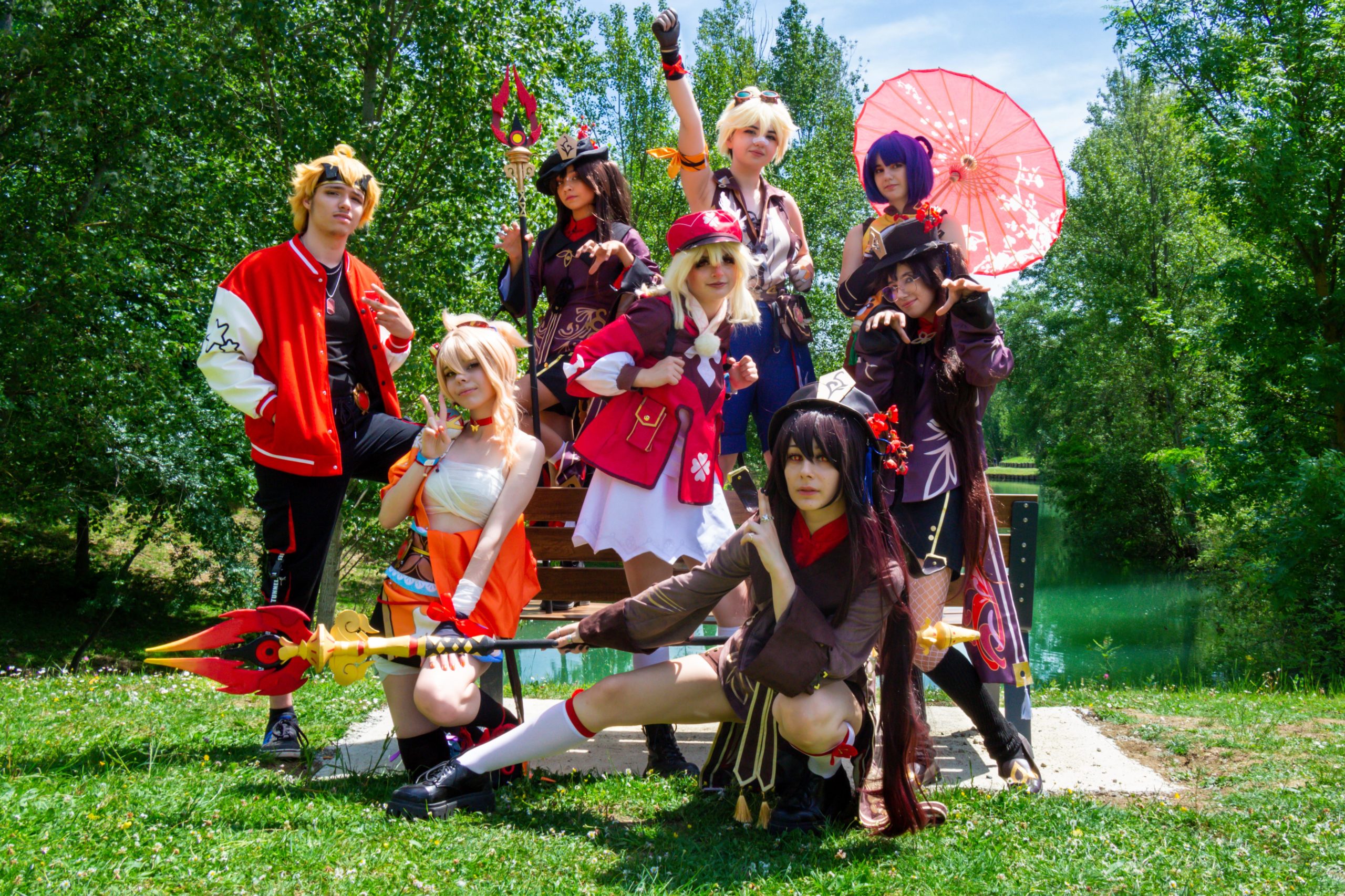
In the high-energy environment of a gaming convention, the sensory overload can be intense, particularly for those wearing restrictive armor or heavy wigs. La Tanière du Cosplay serves two primary functions: technical recovery and mental decompression. It is a designated area where cosplayers can step out of the spotlight, adjust their gear, and find a moment of quiet away from the crowds.
Beyond the psychological benefits, the “Den” functions as a field hospital for costumes. Equipped with the tools of the trade—hot glue guns, safety pins, industrial adhesives, and sewing kits—the station allows artists to perform emergency surgery on their outfits. This community-led support system reduces the anxiety associated with “con-crunch” (the frantic last-minute effort to finish a costume) and ensures that the visual quality of the event remains high.
The Technical Side: Craft and Repair
The emphasis on “craft and repair” at TGS Springbreak highlights the technical evolution of the hobby. Modern cosplay frequently utilizes materials like EVA foam, Worbla (a thermoplastic), and resin casting. While these materials allow for the creation of movie-quality armor, they are susceptible to heat, humidity, and the physical toll of navigating a crowded convention floor.
The repair station is not merely about fixing tears in fabric; it is about structural integrity. Whether it is re-securing a shoulder pauldron or fixing a broken prop weapon, the expertise provided within the cosplay zone allows participants to maintain the integrity of their characters. This focus on craftsmanship elevates the event from a casual gathering to a showcase of artisanal skill.
Visual Spectacles: The ‘Krokmou’ Influence
Among the anticipated attractions of the cosplay zone is the mention of “Krokmou”—the French name for Toothless, the Night Fury dragon from the How to Train Your Dragon franchise. In the world of cosplay, creating a character like Toothless often requires massive scale and complex engineering to mimic the dragon’s fluid movements and unique silhouette.
The inclusion of such high-profile, large-scale builds serves as an inspiration for other attendees. These “hero props” often act as anchors for the community, drawing crowds and sparking conversations about the construction techniques used to achieve such scale. When a build as ambitious as a life-sized dragon is present, the necessity of a repair station like La Tanière du Cosplay becomes even more apparent, as the sheer physics of such costumes make them prone to wear and tear.
Why This Matters for the Global Pop Culture Landscape
The approach taken at TGS Springbreak reflects a broader global shift in how fan conventions are managed. For decades, the relationship between the convention and the cosplayer was primarily transactional: the attendee provided the visual spectacle, and the event provided the venue. Now, there is a recognition that cosplayers are the primary ambassadors of an event’s atmosphere.
By investing in “benevolent cosplay” infrastructure, organizers are acknowledging the labor and vulnerability involved in the art form. This movement toward “safe spaces” is seen in major conventions worldwide, where “cosplay repair” stations and “quiet rooms” are becoming standard requirements rather than luxury additions.
the regional focus of Occitanie Cosplay demonstrates the power of localized communities. By building a network of support in the Occitanie region of France, these artists are creating a sustainable ecosystem where veterans can mentor newcomers in the arts of crafting and repair, ensuring the hobby continues to grow in quality and accessibility.
Key Takeaways for Attendees
- Technical Support: La Tanière du Cosplay provides essential tools and expertise for emergency costume repairs, reducing the risk of “costume failure” during the event.
- Mental Wellness: The designated “safe space” offers a sanctuary for cosplayers to manage sensory overload and take necessary breaks from the convention floor.
- Community Synergy: The collaboration between TGS Springbreak and Occitanie Cosplay emphasizes a “benevolent” approach to the hobby, prioritizing participant well-being over simple exhibition.
- Artistic Ambition: The presence of large-scale builds, such as the “Krokmou” (Toothless) themed entries, showcases the high level of craftsmanship present in the regional scene.
Navigating the Cosplay Experience
For those planning to visit the TGS Springbreak cosplay zone, the experience is designed to be inclusive of all skill levels. Whether an attendee is wearing a “closet cosplay” (outfits assembled from everyday clothes) or a full suit of articulated armor, the resources provided by the cosplay zone are available to all.
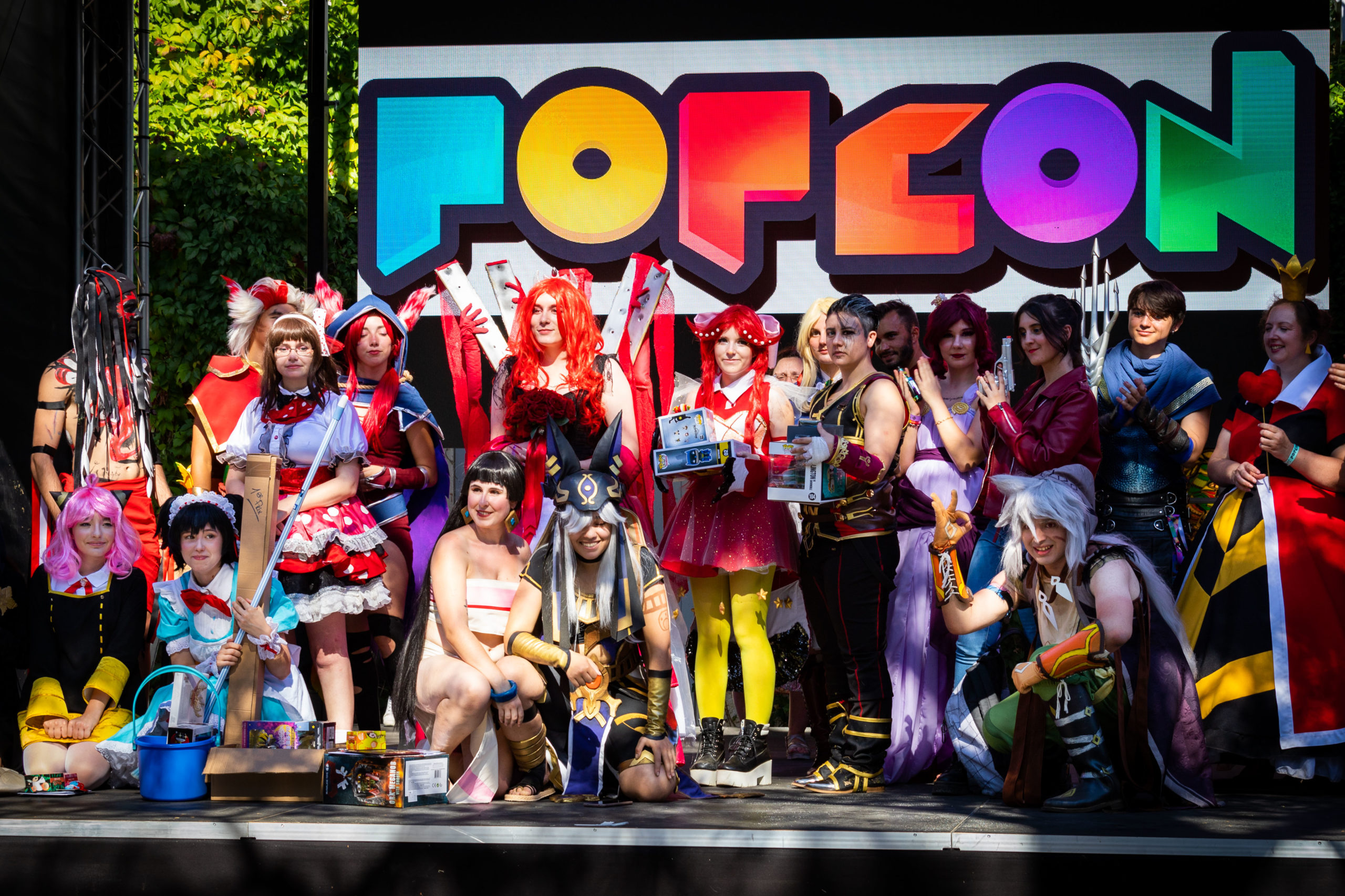
Attendees are encouraged to engage with the “craft and repair” experts not just when something breaks, but to learn more about the materials and methods used in the builds they admire. This exchange of knowledge is a cornerstone of the cosplay community, transforming a competitive environment into a collaborative one.
As the event unfolds, the success of the cosplay zone will likely be measured not just by the number of photographs taken, but by the number of costumes saved and the level of comfort felt by the artists. In an era where pop culture is increasingly digital, the tactile, physical effort of cosplay remains a powerful reminder of human creativity.
The next confirmed milestone for the community will be the official post-event showcases and galleries, where the best of the TGS Springbreak builds will be archived and celebrated. For those looking to improve their own craft before the next gathering, following the updates from Occitanie Cosplay and regional workshops is highly recommended.
Do you have a favorite costume repair hack or a memory of a “cosplay emergency” saved by a helping hand? Share your stories in the comments below and let us know which characters you’re hoping to see at the next TGS event!
Related reading