
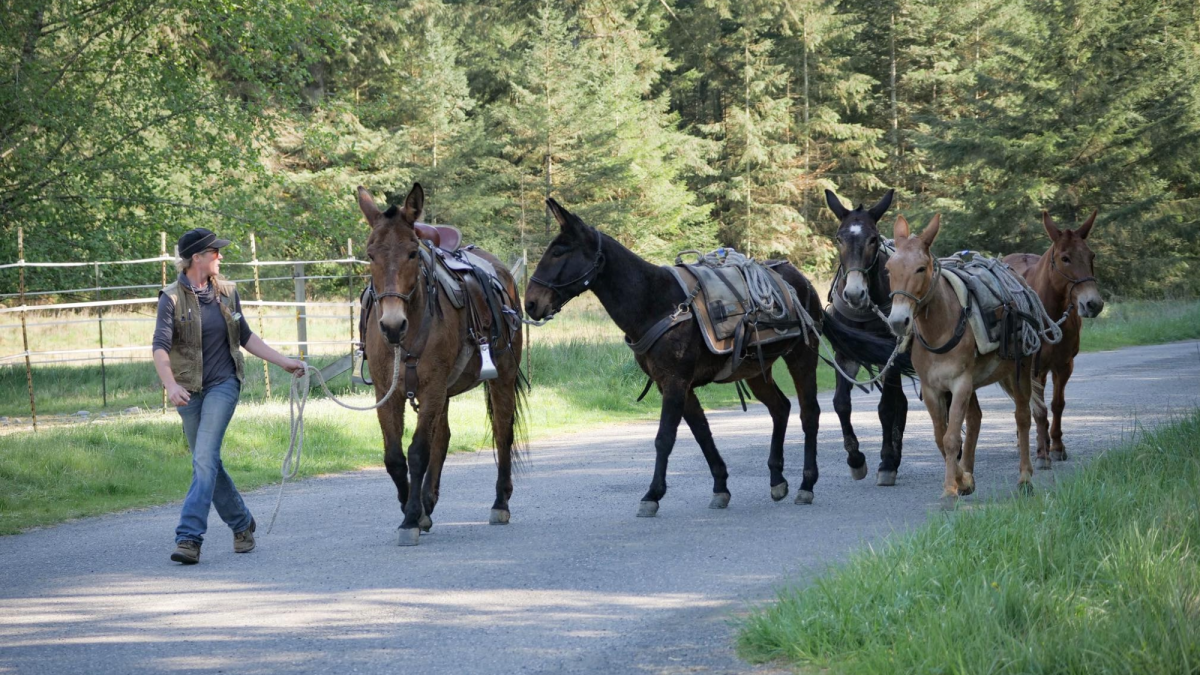
Olympic National Park’s New Mule Team: How 1,000-Pound Pack Animals Are Redefining Trail Maintenance
Five new mules have joined Olympic National Park’s legendary working herd, ready to tackle the challenges of the 2026 tourist season. Named Murl, Cutti, Pip, Checkers, and Gopher—each inspired by the park’s native flora and fauna—they represent the latest addition to a tradition that dates back over a century. These hybrid equines, the result of crossbreeding between male donkeys and female horses, bring unmatched strength, agility, and endurance to one of the most rugged trail systems in the U.S.
With nearly 600 miles of trails spanning over 1 million acres, Olympic National Park relies on its mule herd to transport everything from trail maintenance gear to critical research equipment. The new arrivals will work alongside more than two dozen experienced mules, each capable of hauling up to 20% of their body weight—roughly 200 pounds—during the park’s busy season from April through October. But their role extends far beyond logistics: these animals are also trained to assist in search and rescue operations, safely evacuating injured hikers from remote wilderness areas.
As climate change and increased visitation strain America’s national parks, the mules of Olympic National Park offer a sustainable solution—one that combines centuries-old tradition with modern conservation needs. Here’s how these remarkable animals are shaping the future of trail maintenance.
Why Mules? The Hybrid Equines Built for National Park Work
Mules—hybrids of a male donkey (Equus asinus) and female horse (Equus caballus)—possess a unique combination of traits that make them ideal for park maintenance. According to the National Park Service, their strength-to-size ratio allows them to carry heavy loads with minimal fatigue. A typical Olympic mule weighs between 900 to 1,100 pounds and can haul up to 20% of its body weight—meaning a single mule can transport nearly 200 pounds of gear, supplies, or even an injured hiker.
Their sure-footedness is equally impressive. Mules can navigate steep, rocky, and muddy terrain that would stump most horses or pack animals. This adaptability is critical in Olympic National Park, where trails wind through dense old-growth forests, alpine meadows, and coastal bluffs. Their endurance is another key advantage: mules can work long hours without tiring, making them indispensable during the park’s peak season when maintenance demands surge.
Key Statistic: Olympic National Park’s mule herd operates from April through October, covering 64 trailheads and maintaining over 600 miles of trails across 1 million acres. During the winter months, the herd relocates to a pasture in Sequim, Washington, for a well-earned rest.
Meet the New Team: Murl, Cutti, Pip, Checkers, and Gopher
Each of the five new mules was named to reflect Olympic National Park’s diverse ecosystems. While the park has not released official statements on the specific inspirations behind each name, past naming conventions suggest connections to native plants, animals, or geological features. For example:
- Murl – Likely inspired by the marlberries found in the park’s coastal regions.
- Cutti – Possibly named after the cutthroat trout, a native fish species.
- Pip – Could reference the Pacific wren, a small but resilient bird.
- Checkers – May honor the checkerspot butterfly, a threatened species in the park.
- Gopher – Likely named after the gopher, a small mammal adapted to the park’s varied habitats.
Before joining the working herd, new mules undergo a period of mentorship with experienced pack animals. This apprenticeship ensures they learn the trails, pack-loading techniques, and safety protocols essential for their role. The park’s veteran mules, such as RainCloud (a “sports-model” known for speed and agility) and Daisy (dubbed a “magnificent matriarch”), serve as role models for the newcomers.
Beyond Pack Animals: Mules as Lifesavers and Ecological Stewards
While hauling supplies is their primary function, Olympic National Park’s mules play a critical role in search and rescue operations. In 2025 alone, the herd assisted in evacuating three hikers with serious injuries from remote areas where helicopters or ground vehicles could not reach. Their calm demeanor and ability to navigate rough terrain make them invaluable in emergencies.
The mules also support scientific research. Park rangers and biologists rely on them to transport equipment for studies on everything from climate change impacts to wildlife migration patterns. For example, during the 2024 salmon spawning season, mules carried water quality monitoring kits to streams in the Hoh River basin.
Search and Rescue Success: In 2023, a mule named Storm helped evacuate a hiker with a broken leg from the Elwha River valley, a journey that would have taken rescue teams hours by foot. The mule carried the hiker on a specially designed litter for over two miles to safety.
A Year in the Life: Training, Work, and Winter Rest
Olympic National Park’s mules follow a structured annual cycle that balances work, and recovery. During the working season (April–October), they are housed in corrals near the Elwha River valley, where they receive daily training and health checks. Their diet consists of high-quality hay, grain, and supplements tailored to their workload.
When the tourist season winds down, the herd migrates to a winter pasture in Sequim, Washington, where they enjoy a five-month rest period. This relocation not only provides physical recovery but also allows the park to reduce maintenance costs during the off-season. Veterinarians monitor the mules year-round, with annual checkups including dental care, hoof trimming, and vaccinations.
Fun Fact: The park’s mule program has been recognized by the National Park Service as a model for sustainable trail maintenance. Unlike motorized vehicles, mules leave minimal environmental impact and can access areas too rugged for machinery.
Adapting to Change: Climate, Visitation, and the Future of Mule Patrols
Olympic National Park faces growing challenges that threaten its trails and ecosystems. Increased visitation—up 12% from 2022 to 2025—has led to accelerated wear on popular routes like the Hoh River Trail. Meanwhile, climate change is altering trail conditions, with heavier rainfall causing erosion and landslides.

To address these issues, park officials are exploring innovations while preserving the mule program’s traditional methods. For example:
- Trail Monitoring: Mules now carry lightweight GPS tracking devices to help rangers assess trail damage in real time.
- Sustainable Feeding: The park has partnered with local farmers to source organic hay, reducing the carbon footprint of the mule program.
- Community Engagement: The Mule of the Month initiative, launched in 2025, allows visitors to vote for their favorite mule via the park’s website, fostering public connection to the animals.
Visitor Impact: The park expects record-breaking attendance in 2026, with projections of over 3.5 million visitors. To manage this influx, the mule herd’s expanded team will focus on maintaining high-traffic areas like the Rainier Viewpoint and Second Beach.
How You Can Help Preserve Olympic’s Mule Heritage
If you’re planning a visit to Olympic National Park, consider supporting the mule program in these ways:
- Stay on Designated Trails: Mules help maintain these paths—straying causes erosion and increases the need for repairs.
- Donate to the Washington National Park Fund: Contributions go toward mule care, trail maintenance, and educational programs. Learn more here.
- Volunteer for Trail Work: The park offers seasonal opportunities to assist with mule-supported maintenance projects.
- Share Responsibly: When posting photos of the mules, use hashtags like #OlympicMules and #LeaveNoTrace to promote ethical tourism.
• Olympic National Park’s mule herd consists of over two dozen animals, each weighing up to 1,000 pounds and capable of hauling 20% of their body weight.
• The new mules—Murl, Cutti, Pip, Checkers, and Gopher—were named to honor the park’s native species and ecosystems.
• Mules work from April to October, assisting in trail maintenance, search and rescue, and scientific research.
• The herd winters in Sequim, Washington, for a five-month rest period.
• The program faces challenges from increased visitation and climate change but continues to innovate with GPS tracking and sustainable practices.
• Visitors can support the mules by staying on trails, donating, or volunteering.
Olympic National Park will host a Mule Appreciation Day on June 15, 2026, offering guided tours to meet the herd and learn about their work. Keep an eye on the park’s events calendar for updates.
Have you seen the mules in action? Share your stories or photos with the hashtag #OlympicMules and tag @olympicnationalpark on Instagram.