The New AI Boom Pitch: Host a Mini Data Center at Your Home
Imagine this: Your home isn’t just a place to live—it’s now part of the global AI infrastructure. A startup based in Silicon Valley is testing a radical new model where residential neighborhoods become hosts for mini data centers, offering homeowners subsidized electricity, high-speed internet, and backup power in exchange for housing cutting-edge computing hardware. The concept, still in its early stages, could redefine how we think about energy consumption, local infrastructure, and even real estate value. But with major questions about privacy, energy use, and community impact, this isn’t just another tech trend—it’s a potential paradigm shift.
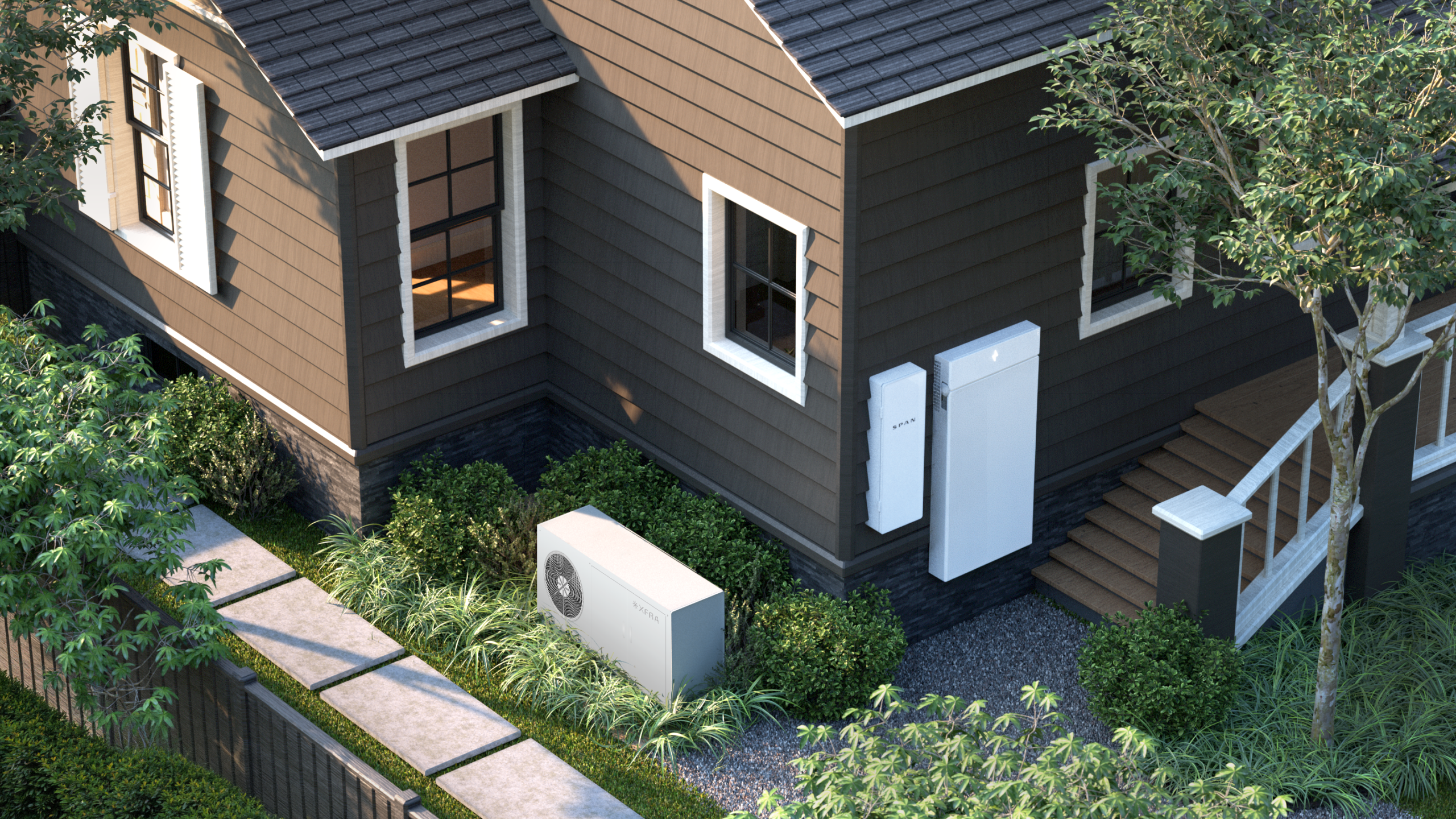
The company behind this vision, SPAN, a San Francisco-based startup, has begun pilot testing what it calls a “distributed data center solution.” The approach involves deploying thousands of compact computing nodes—dubbed XFRA units—directly in residential neighborhoods. These aren’t your typical server racks. Each XFRA node contains liquid-cooled Nvidia GPUs, designed to operate with minimal noise and heat output, making them far more discreet than traditional data centers. The goal? To tap into the excess power capacity of U.S. Households and accelerate the deployment of AI computing power without the delays and costs of building massive warehouse-sized data centers.
For homeowners, the pitch is simple: host an XFRA node in your home or neighborhood, and in return, you get subsidized electricity, enhanced internet connectivity, and backup power from integrated battery systems. The company frames this as a win-win—homeowners gain financial and energy benefits, while the tech industry gets closer to the compute resources it needs to fuel the AI boom. But as with any disruptive innovation, the devil is in the details. What are the real costs and benefits? How will this impact local energy grids? And who, exactly, stands to gain—or lose—from this experiment?
How It Works: The Distributed Data Center Model
SPAN’s approach is rooted in the idea that residential neighborhoods already have untapped computing and energy capacity. Traditional data centers require vast amounts of land, specialized infrastructure, and significant power—often leading to high local electricity costs and community opposition due to noise, traffic, and environmental concerns. By contrast, SPAN’s XFRA nodes are designed to be quiet, compact, and energy-efficient, leveraging liquid cooling technology to keep temperatures low without the need for large industrial fans.
The pilot program, which has already begun testing, aims to expand to a 100-home trial run later this year. Each participating home would host one or more XFRA nodes, which would connect to the local power grid and internet infrastructure. The nodes would primarily support AI workloads, including training large language models, running inference tasks, and processing data for cloud services. In exchange, homeowners would receive:

- Subsidized electricity: The nodes would draw power during off-peak hours, reducing demand on local grids and potentially lowering electricity bills.
- Enhanced internet connectivity: The presence of high-performance computing nodes could improve local network speeds and reliability.
- Backup power: Integrated battery systems would provide emergency power during outages, adding resilience to the home’s energy supply.
- Financial incentives: While specifics are still being finalized, early discussions suggest homeowners could earn credits or compensation for hosting the nodes.
According to Chris Lander, Vice President of XFRA at SPAN, the model addresses several pain points of traditional data centers. “Data centers are loud, ugly, and often drive up local electricity bills,” Lander stated in correspondence with Ars Technica. “This is quiet, discreet, and makes energy more affordable for the host and community.”
Why This Matters: The AI Compute Crisis
The demand for AI computing power has never been higher. Companies like Google, Microsoft, and Meta are racing to deploy more data centers to keep up with the needs of generative AI, autonomous systems, and other cutting-edge applications. However, building these facilities is time-consuming and expensive. Permitting delays, land acquisition, and grid capacity issues can stretch timelines from years to decades. SPAN’s model aims to bypass these bottlenecks by distributing compute power across residential areas, effectively turning neighborhoods into micro data centers.
For tech companies, this could mean faster deployment of AI capabilities without the need for massive capital expenditures. For homeowners, it could translate into lower energy costs, improved internet infrastructure, and added value to their properties. But the model also raises critical questions:
- Energy Impact: Will hosting these nodes actually reduce local electricity costs, or could it strain already overburdened grids?
- Privacy Concerns: What data will these nodes process, and how will it be secured?
- Community Acceptance: Will neighbors welcome these installations, or will they face pushback similar to that seen with traditional data centers?
- Regulatory Hurdles: How will local governments and utilities regulate this new form of distributed infrastructure?
The Tech Behind the Vision: XFRA Nodes Explained
At the heart of SPAN’s model are the XFRA nodes, which are designed to be as unobtrusive as possible. Each node contains:
- Liquid-cooled Nvidia GPUs: These high-performance graphics processing units are the same kind used in supercomputers and AI training clusters. Liquid cooling allows them to operate at high efficiency without generating excessive heat or noise.
- Modular Design: The nodes are built to be easily installed in residential settings, with options for indoor or outdoor placement (depending on local regulations and property layouts).
- Smart Power Management: The systems are designed to draw power during off-peak hours, reducing strain on local grids and potentially lowering electricity rates for participating homeowners.
- Backup Battery Systems: Integrated lithium-ion or solid-state batteries provide emergency power, not just for the node itself but potentially for the home as well.
One of the most innovative aspects of this model is its energy-positive design. By leveraging off-peak power and efficient cooling, SPAN claims that the XFRA nodes could actually reduce net energy costs for homeowners while still delivering significant computing power. This is a stark contrast to traditional data centers, which often require dedicated power plants and can drive up local electricity prices.
Who Stands to Gain—and Who Might Lose?
The distributed data center model has the potential to benefit multiple stakeholders, but it also introduces new risks and challenges. Here’s a breakdown of the key players and their potential outcomes:
Homeowners and Renters
For those who choose to participate, the benefits could be substantial:
- Lower Energy Bills: By hosting an XFRA node, homeowners could see reductions in their electricity costs, especially if the node operates during off-peak hours.
- Enhanced Internet and Power Reliability: The presence of high-performance computing infrastructure could improve local network speeds and provide backup power during outages.
- Financial Incentives: Early discussions suggest that participants may receive credits or compensation for hosting the nodes, though the exact terms are still under development.
- Increased Property Value: If the model proves successful, homes with XFRA nodes could become more desirable, potentially boosting their market value.
However, there are also potential downsides:
- Privacy Risks: The processing of sensitive data on residential properties could raise concerns about surveillance and data security.
- Noise and Aesthetic Concerns: Even if the nodes are designed to be quiet, some neighbors may object to the presence of industrial equipment in their communities.
- Long-Term Commitments: Homeowners may be locked into hosting agreements for extended periods, limiting their flexibility to move or modify their properties.
Tech Companies and AI Developers
For companies like Google, Microsoft, and startups building AI models, the distributed data center approach offers several advantages:
- Faster Deployment: Avoiding the permitting and construction delays of traditional data centers could significantly speed up the rollout of AI capabilities.
- Lower Costs: By leveraging residential power infrastructure, companies may reduce the need for expensive dedicated power plants and cooling systems.
- Geographic Flexibility: The ability to deploy compute power in multiple locations could improve latency and performance for AI services, especially in regions with limited data center capacity.
However, there are risks:
- Dependence on Residential Infrastructure: Relying on homeowners to host critical computing resources introduces new points of failure and potential disruptions.
- Regulatory Uncertainty: Local governments may impose restrictions on what data can be processed in residential areas, limiting the flexibility of the model.
- Community Opposition: As seen with traditional data centers, residential hosting could face pushback from neighbors concerned about noise, traffic, or environmental impact.
Local Governments and Utilities
Municipalities and utility providers will play a crucial role in determining the success of this model. Their key considerations include:
- Grid Stability: Will the addition of thousands of XFRA nodes strain local power grids, or will they help balance demand during peak and off-peak hours?
- Zoning and Permitting: Will existing regulations allow for the installation of data center equipment in residential areas, or will new ordinances need to be created?
- Energy Incentives: Could this model help utilities manage demand more efficiently, potentially reducing the need for expensive new power plants?
- Tax Revenue: Will hosting XFRA nodes generate new tax revenue for local governments, or will the financial benefits flow primarily to homeowners and tech companies?
Key Takeaways: What You Need to Know
- Pilot Testing Underway: SPAN has already begun testing its distributed data center model, with plans to expand to a 100-home trial later this year.
- Potential Benefits for Homeowners: Participants could see lower electricity costs, improved internet, and backup power, along with potential financial incentives.
- Tech Industry Gains Flexibility: Companies could deploy AI computing power faster and at lower cost by leveraging residential infrastructure.
- Major Uncertainties Remain: Privacy, energy impact, and community acceptance are critical factors that could determine the model’s success.
- Regulatory Hurdles Ahead: Local governments will need to adapt zoning laws and energy policies to accommodate this new form of distributed infrastructure.
- Early Adopters Will Shape the Future: The outcomes of the pilot program will be closely watched by tech companies, policymakers, and homeowners alike.
The Road Ahead: What’s Next for Distributed Data Centers?
The success of SPAN’s model will hinge on several factors, including the outcomes of the pilot program, regulatory responses, and community acceptance. Here’s what to watch for in the coming months:
- Expansion of the Pilot Program: SPAN has indicated plans to scale its trial to 100 homes, with potential expansion to additional neighborhoods depending on results.
- Regulatory Developments: Local governments will need to address zoning, energy, and data privacy concerns. Early adopters may face unique challenges in navigating these new regulations.
- Tech Industry Adoption: If the model proves successful, major tech companies may partner with SPAN or similar startups to deploy distributed data centers at scale.
- Community Feedback: Homeowners participating in the pilot will provide critical insights into the real-world impacts on energy costs, internet reliability, and quality of life.
- Energy Grid Impact: Utilities will monitor how the addition of XFRA nodes affects local power demand and grid stability, potentially leading to new energy policies.
For now, the distributed data center concept remains an experiment—one that could either revolutionize AI infrastructure or fizzle out due to technical, regulatory, or social challenges. What is clear is that the idea of hosting a mini data center at home is no longer science fiction. It’s a bold new frontier in tech, energy, and real estate—and the outcomes will shape the future of computing for years to come.
Have you heard about SPAN’s distributed data center pilot? Are you a homeowner considering participation, or a tech professional watching this space closely? Share your thoughts in the comments below—or tweet this story to spark the conversation. And for more on the intersection of AI and infrastructure, explore our latest tech coverage.
Worth a look