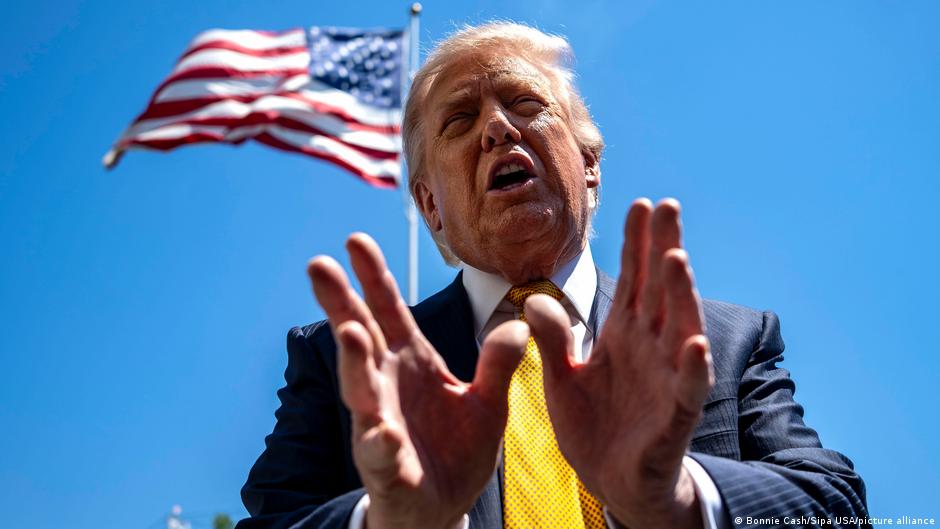
Trump Pushes for China Market Access in High-Stakes Beijing Summit
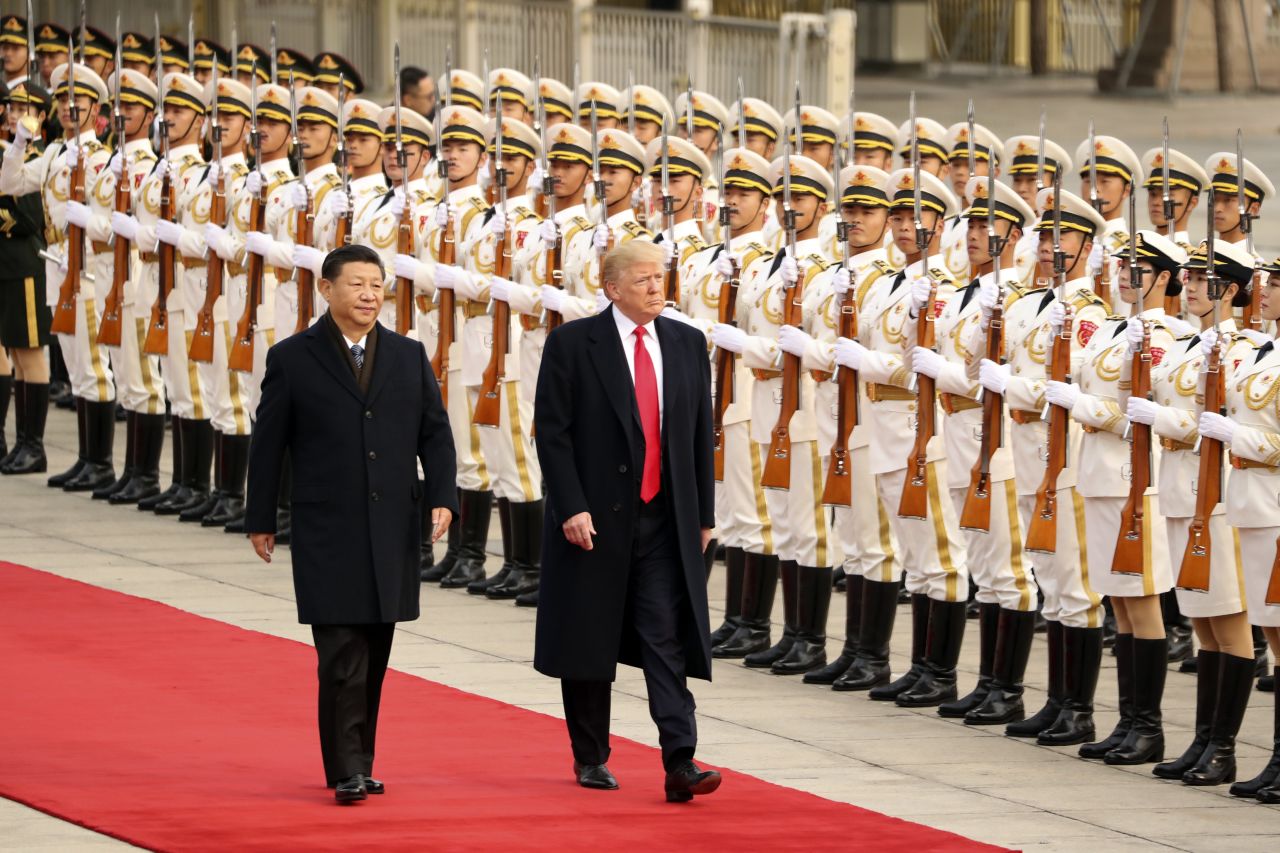
U.S. President Donald Trump arrived in Beijing on Wednesday for a two-day summit with Chinese President Xi Jinping, where trade liberalization, Taiwan tensions, and the Iran conflict will dominate discussions. With the global economy still reeling from post-pandemic disruptions and geopolitical tensions at record highs, Trump is expected to press Xi for expanded market access for American businesses—a priority he has framed as essential for reviving U.S. Economic growth.
The summit marks Trump’s first state visit to China since his 2017 trip, and comes as both nations seek to stabilize their relationship amid escalating conflicts in the Middle East and growing strategic competition in the Indo-Pacific. Trump, who has repeatedly emphasized his personal rapport with Xi, is bringing a delegation of top U.S. Executives—including Apple CEO Tim Cook, Tesla and SpaceX CEO Elon Musk, and Nvidia CEO Jensen Huang—to underscore the economic stakes of the negotiations.
While the White House has framed the visit as an opportunity to “reset” U.S.-China relations, analysts warn that underlying tensions—particularly over Taiwan, where China has intensified military drills near the island in recent weeks, and the stalled Iran nuclear negotiations—could overshadow any potential trade agreements. Trump’s push for China to “open its markets” to U.S. Companies reflects a broader strategy to counterbalance China’s state-led economic model, which has long restricted foreign investment in key sectors.
Trade at the Forefront: What Trump is Demanding
Trump’s primary objective in Beijing is to secure concrete commitments from China to reduce tariffs on U.S. Exports, particularly in technology and agriculture. During a press conference ahead of the summit, Trump stated that he would be asking Xi to “eliminate barriers that have stifled American businesses for far too long.” While specifics remain unclear, leaked documents suggest the U.S. Is seeking:
- Reduced tariffs on U.S. Semiconductor exports, a critical sector where American companies like Nvidia and Intel face stiff competition from Chinese firms like Huawei and SMIC.
- Expanded access for U.S. Financial institutions in China’s capital markets, including allowing foreign ownership in Chinese banks and asset management firms.
- Stronger intellectual property protections for U.S. Pharmaceutical and tech companies, addressing long-standing concerns about forced technology transfers and piracy.
- A renewed U.S.-China trade board to monitor compliance with previous agreements, a proposal that gained traction during Trump’s 2017 summit but was never fully implemented.
The stakes are particularly high for U.S. Tech giants, who have faced years of restrictions on data localization, joint-venture requirements, and outright bans on certain services. For example, Apple has been unable to launch its App Store in China without complying with strict censorship rules, while Tesla has struggled to expand production capacity despite strong consumer demand.
“The goal is to return to Washington with positive economic headlines and a reinforced relationship that both governments regard as the most consequential bilateral tie in the world.”
— Statement from the White House ahead of the summit
Taiwan Tensions Cast a Shadow Over Economic Talks
While trade dominates the public agenda, Taiwan remains the elephant in the room. China has repeatedly warned that any U.S. Military support for Taiwan—including arms sales—will be met with retaliation. In recent weeks, Beijing has conducted large-scale military exercises near Taiwan, prompting concerns in Washington about Xi’s willingness to use force to unify the island with the mainland.
Trump, who has taken a more ambiguous stance on Taiwan than his predecessors, has signaled he will not publicly endorse Taiwan’s independence but has also resisted pressure to abandon arms sales. During a campaign rally in Ohio last month, he stated:
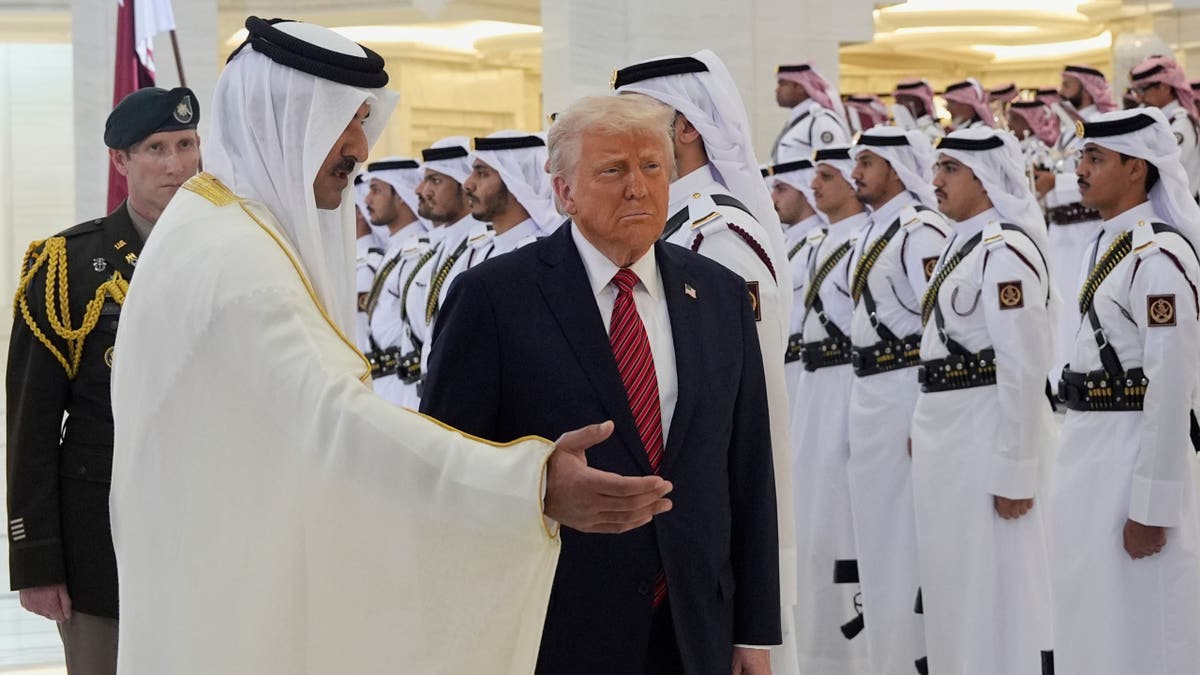
“We will continue to support Taiwan’s self-defense, but we must also be clear that we do not seek conflict. China must understand that any aggression will have consequences.”
The tension was palpable even before Trump’s arrival. On Tuesday, the U.S. State Department approved a $1.1 billion arms package for Taiwan, including advanced missiles and radar systems—a move that drew immediate condemnation from Beijing. Chinese Foreign Ministry spokesperson Wang Wenbin stated that the sales “severely undermine China’s sovereignty and territorial integrity,” though he did not specify how China might respond.
The Iran Factor: Can Trump and Xi Find Common Ground?
The escalating conflict in Iran adds another layer of complexity to the summit. With Iran’s nuclear program advancing and regional proxies engaged in proxy wars across the Middle East, both the U.S. And China have a vested interest in stabilizing the situation. However, their approaches diverge sharply:
- United States: Seeks to reinstate sanctions and isolate Iran, viewing its nuclear program as an existential threat. The Biden administration’s failed negotiations in 2025 left the door open for Trump to pursue a harder line.
- China: Has deep economic ties with Iran, including oil imports and infrastructure investments, and is reluctant to impose sanctions that could disrupt its energy supplies.
Trump has hinted that he may use the summit to explore a joint U.S.-China strategy to pressure Iran, though analysts caution that China is unlikely to abandon its economic partnerships. “China sees Iran as a strategic partner, not a pariah state,” said Elizabeth Economy, director of Asia Studies at the Council on Foreign Relations. “They won’t sacrifice that relationship for U.S. Demands.”
What’s Next? Key Checkpoints and Unanswered Questions
The summit concludes on Friday, with both sides expected to release a joint statement outlining any agreements reached. However, several critical questions remain unanswered:
- Will China make concrete commitments on market access? Past promises have often been vague or unenforced, leaving U.S. Businesses frustrated.
- How will Taiwan tensions escalate? Will China respond to the latest arms sale with further military maneuvers, or will Trump’s personal diplomacy de-escalate tensions?
- Can the U.S. And China coordinate on Iran? Given their divergent interests, a unified front appears unlikely, but both may seek to manage the crisis without direct confrontation.
- What happens to the U.S.-China trade board? If revived, it could provide a mechanism for monitoring compliance—but only if both sides are willing to enforce it.
Key Takeaways
- Economic focus: Trump is prioritizing market access for U.S. Tech and agricultural exports, with a delegation of CEOs to drive home the business case.
- Taiwan tensions: China’s military drills and U.S. Arms sales to Taiwan risk derailing economic talks, with both sides avoiding direct confrontation—for now.
- Iran challenge: The U.S. Seeks Chinese cooperation on Iran, but Beijing’s economic ties to Tehran limit its options.
- Personal diplomacy: Trump’s relationship with Xi remains central, with both leaders framing the summit as an opportunity to “reset” relations.
- Uncertain outcomes: Past summits have produced vague agreements; whether this one delivers tangible results remains to be seen.
- Next steps: Watch for the joint statement on Friday, as well as any follow-up actions on Taiwan or Iran in the coming weeks.
How to Follow the Summit Live
For real-time updates and official statements, consult the following sources:
- White House Briefing Room – Official U.S. Government updates.
- Chinese Foreign Ministry – Official Chinese government statements.
- Reuters Asia-Pacific – Live coverage and analysis.
- BBC World Service – Independent reporting on the summit.
- U.S. Department of State – Statements on Taiwan and Iran policy.
What do you think? Will this summit lead to meaningful progress, or are the U.S. And China too far apart on key issues? Share your thoughts in the comments below, and follow World Today Journal for ongoing coverage of this developing story.