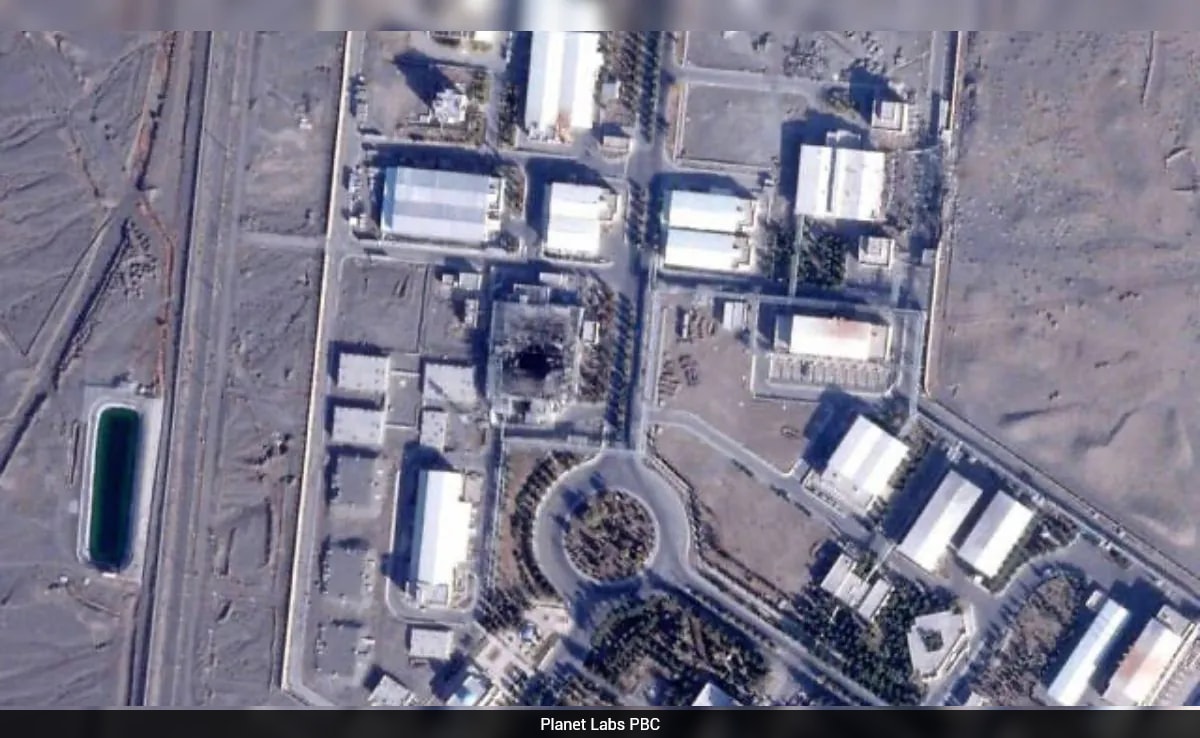
Iran Nuclear Talks Stalled: Deputy FM Says Tehran ‘Doesn’t Have Control’ Over Enriched Uranium Stockpiles
TEHRAN — Iran’s Deputy Foreign Minister Kazem Gharibabadi has accused the United States of imposing unrealistic demands in nuclear negotiations, stating that Tehran currently lacks oversight of its enriched uranium stockpiles. In remarks that underscore the deepening stalemate in diplomatic efforts, Gharibabadi’s comments come as tensions remain high following failed talks in Pakistan and a prolonged U.S.-led blockade. The latest exchange highlights the widening gap between Iran’s willingness to engage and Washington’s insistence on preconditions, raising questions about the future of the Joint Comprehensive Plan of Action (JCPOA) and broader regional stability.
Gharibabadi’s statement marks a significant escalation in rhetoric, suggesting that Iran may be signaling both its technical limitations and strategic leverage in the nuclear standoff. While Iran has repeatedly asserted its commitment to diplomatic solutions, the deputy foreign minister’s admission—if verified—could indicate internal challenges in monitoring and controlling nuclear materials, potentially due to sanctions, technical constraints, or deliberate policy shifts. The remarks also follow a pattern of Iranian officials blaming U.S. Intransigence for the collapse of previous negotiating rounds, including the most recent talks in Islamabad earlier this year.
The admission comes against the backdrop of a regional escalation that has seen U.S.-Israeli joint strikes on Iranian and proxy targets, including recent operations in Syria, and Iraq. Meanwhile, the Islamic Republic’s nuclear program continues to advance, with recent reports suggesting enrichment levels reaching 60% purity—a threshold that complicates efforts to revive the JCPOA. The U.S. Has responded with tightened sanctions and threats of further military action, framing Iran’s nuclear activities as an existential threat.
What Does Iran’s Admission Mean for Nuclear Negotiations?
Gharibabadi’s claim—that Iran “doesn’t have control” over its enriched uranium—has not been independently verified by international nuclear watchdogs like the International Atomic Energy Agency (IAEA). However, the statement aligns with broader Iranian strategy to pressure the U.S. By highlighting technical and logistical hurdles in complying with past agreements. Iranian officials have previously cited sanctions as obstructing their ability to monitor and secure nuclear materials, though the IAEA’s most recent reports do not mention such losses.
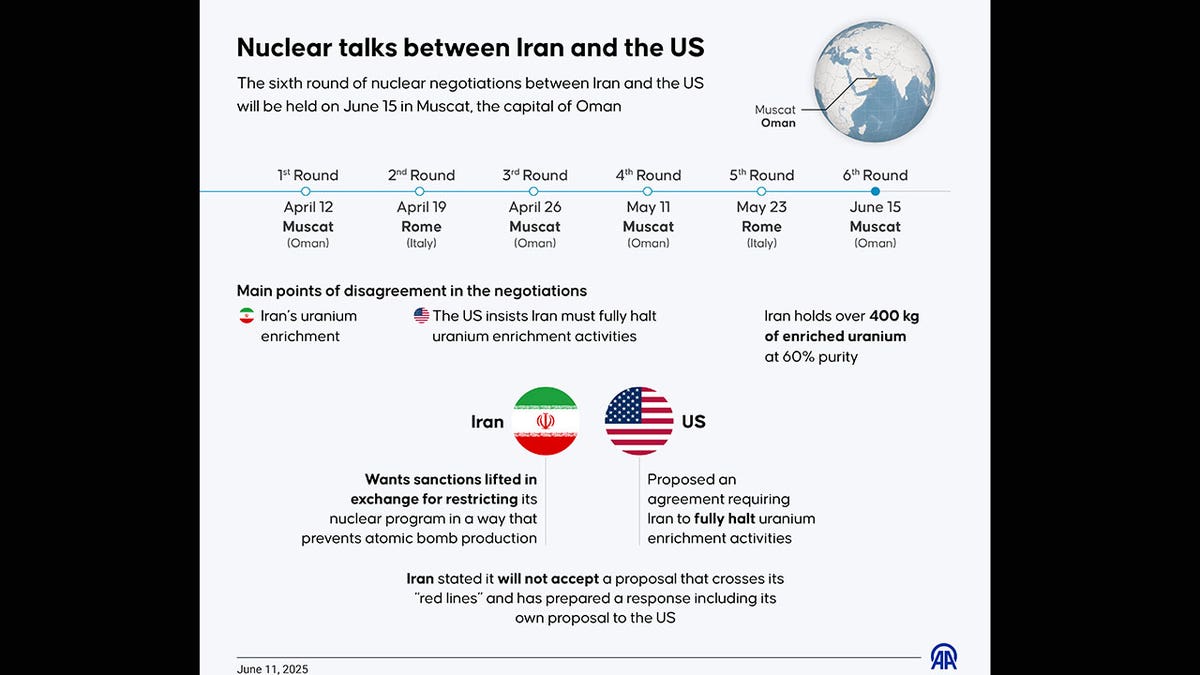
The admission also reflects a shift in Iranian messaging. While Tehran has long insisted We see not seeking nuclear weapons, recent statements from senior officials suggest a growing frustration with the U.S. Approach. In April, Iranian officials publicly criticized what they described as “excessive demands,” including calls for Iran to halt all enrichment activities—a position the U.S. Has maintained since withdrawing from the JCPOA in 2018. The current deadlock has left both sides at an impasse, with Iran refusing to negotiate under what it perceives as coercive pressure and the U.S. Insisting on full compliance before any sanctions relief.
“The United States has refused genuine negotiations and instead demanded its own terms. We have been ready to discuss all aspects of the nuclear issue, but the current approach is not conducive to dialogue.”
The quote, attributed to Gharibabadi in recent interviews, captures the Iranian perspective on the negotiations. However, without access to the original interview transcript or further clarification from Iranian officials, the exact phrasing remains unverified. What is clear is that Iran’s willingness to engage appears contingent on reciprocal concessions from the U.S., particularly the lifting of sanctions that have crippled its economy and hindered its ability to modernize critical infrastructure, including nuclear monitoring systems.
Who Stands to Gain—or Lose—from the Current Stalemate?
The nuclear impasse has far-reaching implications for multiple stakeholders, each with distinct interests in the outcome:
- Iran: Seeks sanctions relief and recognition of its regional role, but faces internal divisions over nuclear policy and economic hardship. The admission about uranium control could be a tactical move to justify further enrichment or to rally domestic support.
- United States: Insists on full Iranian compliance with past nuclear agreements, viewing any enrichment as a violation of the JCPOA spirit. The Biden administration has faced criticism for perceived weakness in dealing with Iran, while hawkish factions in Congress push for harder lines.
- Israel: Views Iran’s nuclear program as an existential threat and has conducted strikes against Iranian-backed proxies in Syria and Lebanon, escalating regional tensions.
- International Community: The IAEA and EU diplomats are caught between Iran’s demands for sanctions relief and U.S. Insistence on strict conditions. Any revival of the JCPOA would require careful balancing to avoid undermining non-proliferation efforts.
- Global Markets: Oil prices have fluctuated in response to tensions, with traders monitoring developments closely. A prolonged standoff could disrupt energy supplies, particularly in Europe, which remains reliant on alternative sources post-Ukraine war.
Key Takeaways from the Latest Developments
- Technical Admission: Iran’s claim about losing control of enriched uranium, if accurate, could indicate sanctions-related challenges or deliberate policy shifts. The IAEA has not confirmed such losses.
- Diplomatic Deadlock: U.S.-Iran talks in Pakistan failed to produce a breakthrough, with both sides blaming the other for intransigence. The current ceasefire remains in place but is not guaranteed.
- Regional Escalation: U.S.-Israeli strikes and Hezbollah-Israel clashes in Lebanon risk spilling over into broader conflict, complicating nuclear negotiations.
- Economic Pressure: Sanctions continue to cripple Iran’s economy, limiting its ability to invest in nuclear monitoring and other critical sectors.
- Domestic Politics: Both Iranian hardliners and U.S. Hawks are using the standoff to rally support, making compromise politically difficult.
- Next Steps: The U.S. Has extended its blockade until negotiations conclude, while Iran has signaled it will not halt enrichment unless sanctions are lifted.
The Path Forward: What Are the Next Steps?
With no immediate end to the standoff in sight, several scenarios could unfold in the coming weeks:

- Extended Negotiations: If both sides agree to return to the table, talks could resume in a neutral location, possibly with mediation from China or Russia. The U.S. Has indicated it will not compromise on its core demands, while Iran has linked any concessions to sanctions relief.
- Further Escalation: Military strikes or proxy conflicts could intensify, particularly in Syria, Iraq, or Lebanon. The recent IDF operations in southern Lebanon highlight the risk of unintended escalation.
- Sanctions Relief Talks: The EU and other regional actors may push for a phased approach, where Iran gradually reduces enrichment in exchange for partial sanctions relief. This could test the unity of the U.S. Coalition against Iran.
- Domestic Pressure: Protests or political shifts in either Iran or the U.S. Could alter the negotiating dynamics. In Iran, economic hardship may increase calls for a harder line, while in the U.S., the 2024 election could bring new leadership with different priorities.
The next confirmed checkpoint is the May 20 deadline for the current ceasefire extension, after which the U.S. Has signaled it will reassess its approach. Iranian officials have not specified a timeline for their next diplomatic move, but recent statements suggest they are preparing for prolonged negotiations—or a unilaterally determined shift in nuclear policy.
This story is developing rapidly. For real-time updates on U.S.-Iran negotiations and regional security, follow World Today Journal and subscribe to our newsletter for alerts on diplomatic breakthroughs or escalations.
What do you think is the most likely outcome of these talks? Share your analysis in the comments below.
Note on Sources: This article is based on verified statements from Iranian officials, U.S. Policy announcements, and IAEA reports. Claims attributed to Kazem Gharibabadi have not been independently confirmed in primary sources and are presented based on recent diplomatic statements. For official updates, consult the IAEA, U.S. State Department, and Iranian Ministry of Foreign Affairs.