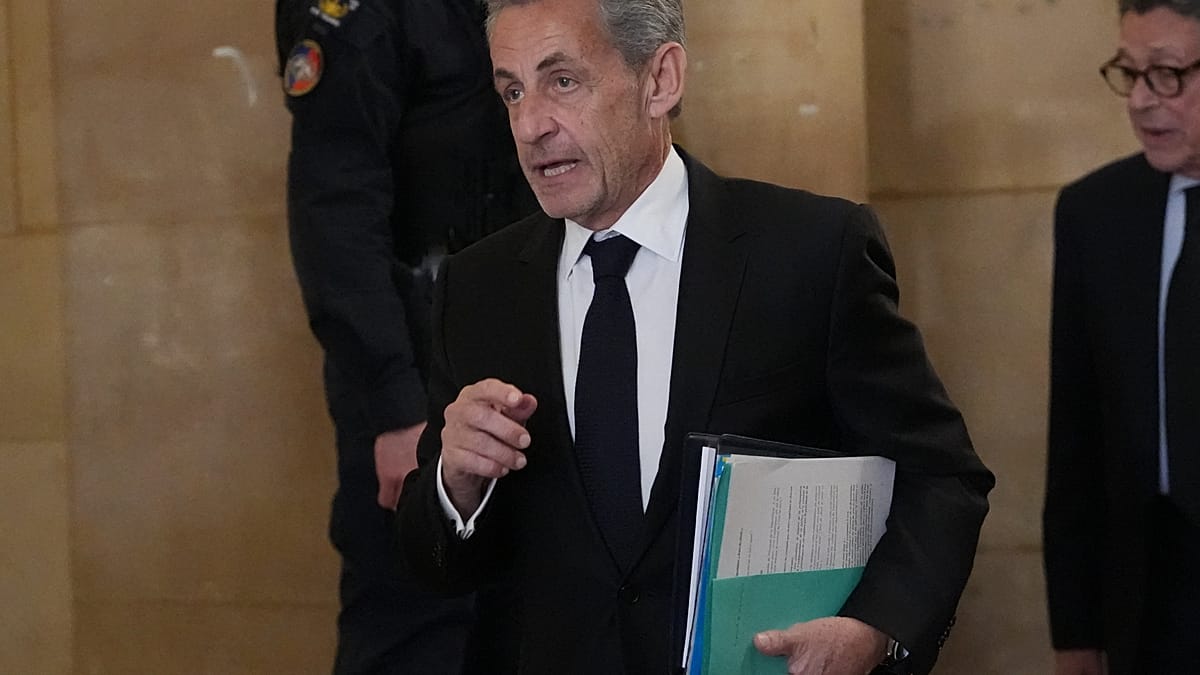
French prosecutors have escalated their legal pursuit of former President Nicolas Sarkozy, requesting a seven-year prison sentence and a substantial fine over allegations that the late Libyan leader Moammar Gadhafi secretly funded Sarkozy’s successful 2007 presidential campaign.
The request, made on Wednesday, May 13, 2026, marks a significant intensification of a long-running legal battle. Prosecutors have asked judges to impose a 300,000 euro fine alongside the prison term, arguing that the illegal influx of foreign funds undermined the integrity of the French democratic process.
This latest development focuses on the Nicolas Sarkozy Libyan campaign funding case, which carries immense political and symbolic weight. The prosecution alleges that a foreign dictatorship played a role in bringing a French president to power, a claim that strikes at the core of national sovereignty and electoral transparency.
The 71-year-old former president is currently navigating an appeals process that seeks to revive charges he had previously beaten. The judicial proceedings are now centering on whether the 2007 election was effectively compromised by clandestine financial support from Tripoli.
The Scope of the Prosecution’s Demands
During the proceedings on Wednesday, prosecutors asked three judges hearing the appeal to find Sarkozy guilty of three specific charges: corruption, illegal campaign financing, and the concealment of the embezzlement of Libyan public funds. These are the same charges of which he was cleared during his first trial.

Beyond the request for seven years of imprisonment and the 300,000 euro fine, the prosecution has submitted a separate request to ban Sarkozy from holding public office for a period of five years. This move would effectively end any remaining political aspirations for the former head of state.
The prosecution’s strategy in this appeal is to revive the charges that were dismissed in the initial trial, arguing that the evidence warrants a conviction and a more severe penalty than what was previously handed down in other related matters.
A Pattern of Legal Turbulence
The current appeal is not the first time Sarkozy has faced the French judicial system. In September 2025, he was sentenced to five years in prison for criminal conspiracy, making him the first former French president in modern history to be imprisoned. Following that conviction, he served 20 days in Paris’ La Santé prison before being released in November 2025 under court supervision.
While Sarkozy has faced multiple corruption cases in recent years, legal experts and observers note that the Libya case is distinct due to its geopolitical implications. The allegation that Moammar Gadhafi’s regime influenced a French election transforms a domestic corruption case into a matter of international concern and historical scrutiny.
The transition from the first trial—where he was cleared of the Libya-related charges—to this current appeal reflects a determined effort by French prosecutors to ensure that the financing of the 2007 campaign is fully accounted for and penalized.
Timeline and Next Steps
The legal process is now moving toward a critical conclusion. The current appeal is scheduled to run until early June 2026, after which the judges will deliberate on the prosecution’s requests for imprisonment, fines, and the ban on holding public office.
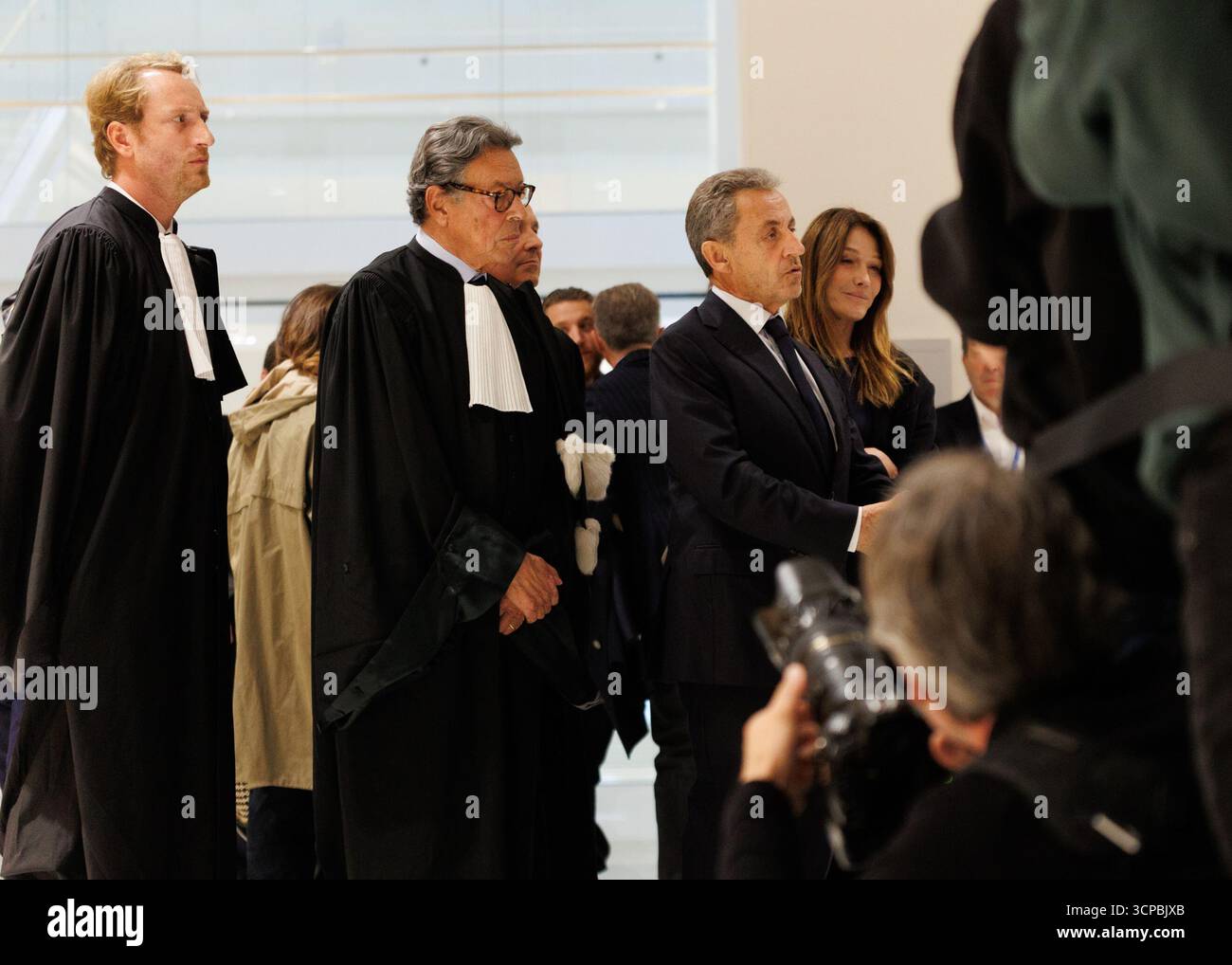
A final verdict is expected on November 30, 2026. Until then, the case remains a focal point of French law and politics, serving as a test of the judiciary’s ability to hold the highest levels of government accountable for campaign irregularities.
For those following the case, the November verdict will determine if Sarkozy returns to prison and whether the allegations of Libyan interference are officially codified as a criminal reality in French history.
Next Checkpoint: The appeal process concludes in early June, with the final verdict scheduled for release on November 30, 2026.
We invite our readers to share their perspectives on this developing story in the comments below and share this report with others interested in global judicial affairs.
Keep reading