For years, the public consciousness has been captivated by a singular, seductive idea: that the secret to every human emotion, from the heights of euphoria to the depths of despair, is locked away in the folds of the cerebral cortex. We have been told that happiness is simply a cocktail of serotonin and dopamine, and that pain is merely a signal firing in a specific neural pathway. This “brain-centric” view of existence has permeated everything from self-help literature to corporate wellness programs, promising that if One can just “hack” our biology, we can optimize our lives.
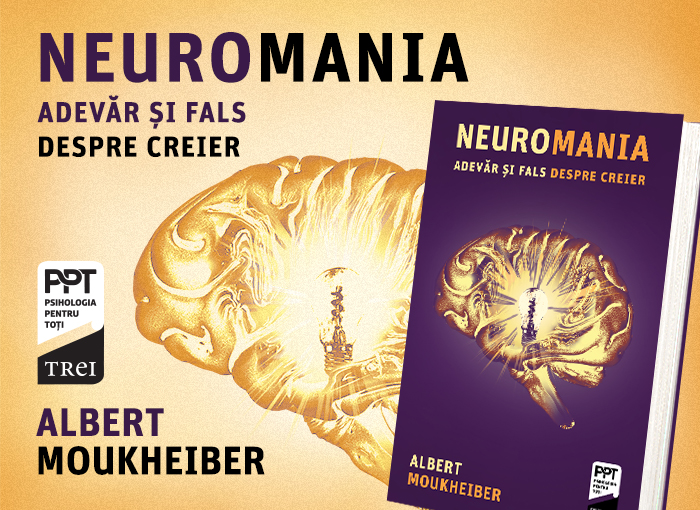
However, this reductionist approach—reducing the entirety of the human experience to a series of electrical impulses—is what neuroscience researcher Albert Moukheiber describes as “neuromania.” In his provocative work, Neuromania, Moukheiber challenges the modern obsession with biological determinism, arguing that while the brain is essential, it is not the sole author of our reality. To understand happiness and pain, he suggests, we must look beyond the skull and consider the intricate dance between our biology, our bodies, and the cultural environments we inhabit.
As a physician and health journalist, I have observed this trend firsthand in clinical settings and public health discourse. There is a growing tendency to medicalize the human condition, treating sadness as a chemical imbalance rather than a response to systemic hardship, or stress as a cortisol spike rather than a reaction to a precarious economy. Moukheiber’s analysis provides a necessary corrective, reminding us that we are not just our brains; we are embodied beings existing within a complex social fabric.
The Trap of Biological Reductionism
The core of the “neuromania” phenomenon is the belief that neuroscience has provided a complete map of the human mind. We often see headlines claiming that a specific region of the brain “lights up” when we feel love or that a certain neurotransmitter “causes” depression. While these findings are based on real science, Moukheiber argues that they are frequently oversimplified or misinterpreted when they leave the laboratory and enter the public sphere.
This oversimplification creates a dangerous narrative of biological determinism. When we believe that our behaviors and emotions are hardwired into our neural circuitry, we risk ignoring the external factors that shape our well-being. If happiness is viewed solely as a matter of brain chemistry, the solution becomes pharmacological or “bio-hacky” rather than social or structural. This shifts the burden of wellness entirely onto the individual, ignoring the role of poverty, isolation, and cultural pressure in determining mental health outcomes.
Moukheiber emphasizes that the brain does not operate in a vacuum. It is part of a bidirectional system. The brain influences the body, but the body—including the gut microbiome and the endocrine system—simultaneously influences the brain. By focusing exclusively on the “command center,” we ignore the vital feedback loops that define our actual experience of living.
Redefining Happiness and Pain
In Neuromania, the concepts of happiness and pain are stripped of their simplistic, chemical definitions. Rather than viewing happiness as a permanent state to be achieved through the optimization of “feel-good” chemicals, the author presents it as a fluid experience deeply intertwined with our environment and our perceptions.
Pain, similarly, is not just a nociceptive signal traveling to the brain. The experience of pain is modulated by psychological state, past trauma, and cultural context. For instance, the way a person perceives physical pain can vary wildly based on their emotional state or the social support they receive. This demonstrates that the “reality” of pain is not found in the neuron alone, but in the intersection of biology and biography.
This perspective aligns with contemporary biopsychosocial models of health, which posit that biological, psychological, and social factors all play a significant role in human functioning. When we treat pain or depression as purely biological malfunctions, we fail to address the “why” behind the symptom. Moukheiber argues that by reclaiming the narrative from pure neuroscience, we can develop a more compassionate and effective approach to mental and physical suffering.
The Cultural Lens of Neuroscience
One of the most compelling aspects of Moukheiber’s critique is how he examines the cultural impact of neuroscience. The “neuro-lens” has become a tool for legitimizing various social ideologies. From “neuromarketing” designed to trigger subconscious buying impulses to “neuro-education” promising to unlock a child’s potential through brain-based learning, the prestige of science is often used to sell products or justify policies that lack rigorous evidence.
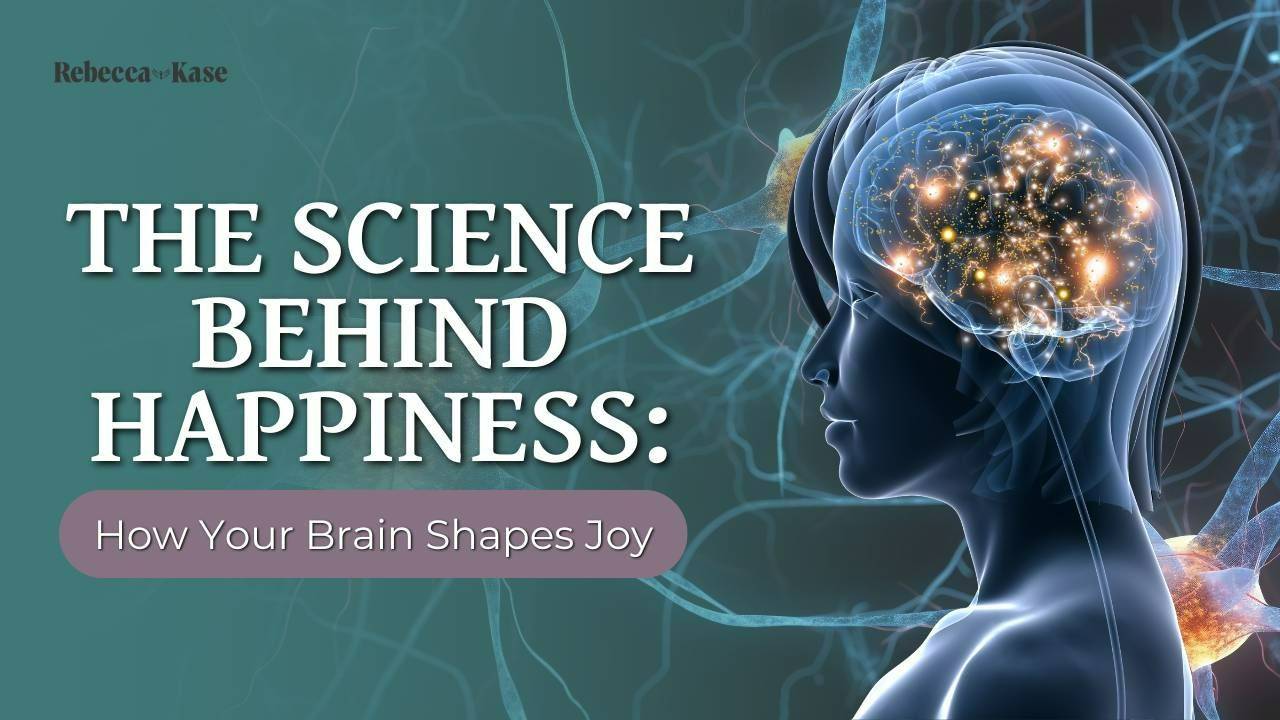
This cultural appropriation of neuroscience often leads to “neuro-realism,” the tendency to believe that a brain scan is a more “objective” or “true” representation of a person’s internal state than their own reported experience. Moukheiber warns that this can lead to a devaluation of subjective experience. If a patient says they are suffering, but their brain scan appears “normal,” there is a risk that the clinician may dismiss the patient’s reality in favor of the image.
the pressure to be “optimally happy” through neuro-optimization creates a new kind of anxiety. When happiness is framed as a biological goal, the failure to achieve it is seen as a biological failure. This creates a cycle of frustration where individuals seek more “hacks” to fix a brain that is actually reacting normally to an abnormal or stressful environment.
Moving Toward a Holistic Understanding
If we are not just our brains, how should we approach our health and happiness? The path forward, as suggested by the themes in Neuromania, involves integrating scientific knowledge with a broader understanding of the human condition.
First, we must embrace the complexity of the body-brain connection. This means recognizing that physical activity, nutrition, and sleep are not just “support systems” for the brain, but are integral components of the cognitive process itself. The brain is an organ, and like any other organ, its function is dependent on the health of the entire system.
Second, we must acknowledge the power of the environment. Social connection, a sense of purpose, and economic security are not “extras” that make life pleasant; they are fundamental biological requirements for a healthy brain. A brain cannot be “optimized” in an environment of chronic stress or loneliness.
Finally, we must value the subjective experience. Science provides the framework, but the individual provides the meaning. The goal of health should not be the elimination of “negative” emotions like pain or sadness—which serve essential evolutionary and psychological functions—but the development of the resilience and support systems necessary to navigate them.
Key Takeaways for the Modern Reader
- Avoid Biological Reductionism: Be skeptical of claims that complex human behaviors can be explained by a single brain region or neurotransmitter.
- Consider the Whole System: Recognize that your mental state is a result of the interaction between your brain, your body, and your environment.
- Question “Neuro-Hacks”: Understand that there is no shortcut to well-being; biological optimization cannot replace social connection and emotional processing.
- Validate Subjective Experience: Remember that biological data (like scans or tests) complements, but does not replace, the lived experience of the individual.
The Future of Mind-Body Science
The dialogue between neuroscience and the humanities is essential for the future of medicine. As we move deeper into the era of AI and neural interfaces, the temptation to view the human mind as a machine to be programmed will only increase. The work of researchers like Albert Moukheiber serves as a critical reminder that the “ghost in the machine” is not an illusion, but the result of a complex, embodied existence.

The challenge for the next generation of scientists and clinicians will be to utilize the incredible tools of neuroscience without losing sight of the human being. We must move from a model of “fixing the brain” to a model of “supporting the person.” This requires an interdisciplinary approach that combines neurology with sociology, psychology, and philosophy.
the realization that we are more than our brains is not a denial of science, but an expansion of it. It is an invitation to live more fully, to seek connection over optimization, and to accept the full spectrum of human emotion as a natural part of a complex, biological, and cultural journey.
As we look toward future developments in cognitive science and mental health policy, the focus is expected to shift toward more integrated, personalized care models that prioritize environmental interventions alongside biological treatments. The next major milestone in this evolution will likely be the broader integration of social determinants of health into standard neurological diagnostic protocols.
Do you believe our current approach to mental health is too focused on biology? Share your thoughts in the comments below or share this article to join the conversation.