
In a proactive move to safeguard young minds from the risks of gambling addiction, Andong City’s Integrated Addiction Management Center has launched a dedicated prevention program at Andong Songhyeon Elementary School. The initiative, which focuses on educating students about the dangers of gambling and distinguishing between healthy gaming and addictive behaviors, underscores South Korea’s growing efforts to address youth vulnerability to harmful digital and recreational environments.
The program, announced as part of broader community-based addiction prevention strategies, aligns with recent global trends where schools are increasingly becoming frontline educators on mental health and behavioral risks. While the specific curriculum details have not been publicly released, local officials emphasize that the sessions will cover key topics such as the psychological impacts of gambling, the legal distinctions between games of skill and chance, and healthy coping mechanisms for stress and boredom. The effort reflects a broader societal acknowledgment of how easily accessible online platforms can expose children to high-risk behaviors, even in seemingly innocuous formats.
Andong City, known for its progressive public health initiatives, has positioned itself as a leader in addiction prevention. The Integrated Addiction Management Center, established in recent years, operates under the city’s Department of Health and Welfare and offers a range of services, including counseling, rehabilitation programs, and community workshops. Their work extends beyond schools, reaching parents, teachers, and local businesses to foster a culture of awareness and early intervention. For families seeking additional resources, the center’s official website provides contact information, program schedules, and educational materials.
Why This Matters: The Rising Concern of Youth Gambling Exposure
Gambling addiction among minors is a growing global concern, with studies highlighting how early exposure—often through mobile apps, social media challenges, or unregulated online games—can lead to long-term psychological and financial consequences. In South Korea, where digital gaming is deeply embedded in youth culture, officials have noted a notable increase in cases of problem gambling among teenagers in recent years. The Andong program is part of a nationwide push to integrate addiction education into school curricula, following similar initiatives in cities like Seoul and Busan.
“The goal isn’t to instill fear but to equip children with the knowledge and tools to make informed choices,” said a spokesperson for the Andong City government. “By addressing these issues early, People can prevent the cycle of addiction before it starts.” While exact participation numbers for the elementary school program have not been disclosed, local educators have praised the initiative for its timely and age-appropriate approach, which avoids stigmatizing gambling while still conveying its risks.
Curriculum Highlights: What Students Will Learn
Based on the framework outlined in the program’s design, the sessions will likely include:
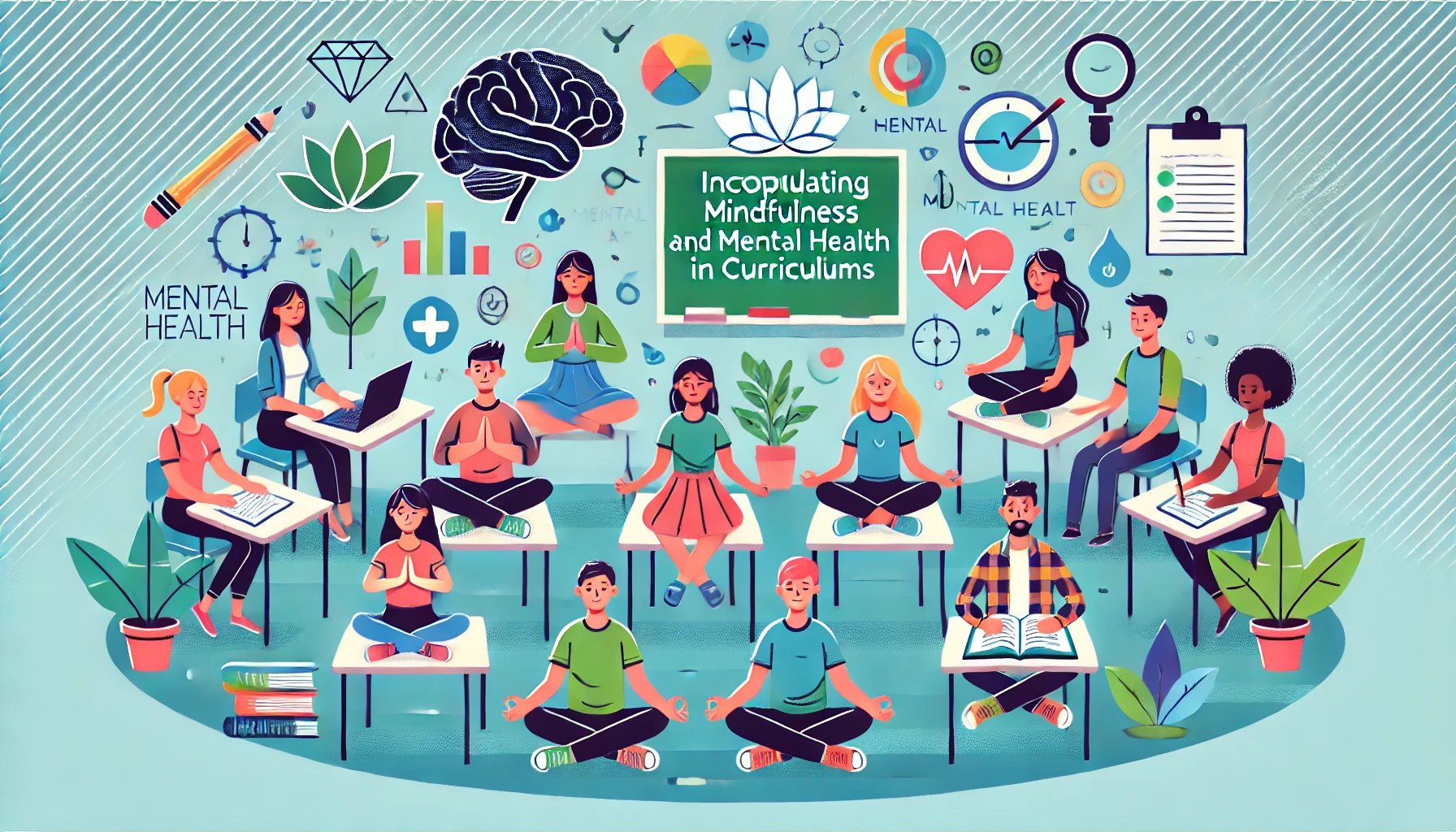
- Understanding gambling mechanics: How probability, odds, and psychological triggers (e.g., near-misses, variable rewards) are exploited in games of chance.
- Legal and ethical boundaries: Differentiating between licensed games of skill (e.g., chess, sports betting) and illegal or exploitative gambling platforms.
- Digital literacy: Recognizing red flags in online gambling ads, in-app purchases, and social media promotions targeting young users.
- Healthy alternatives: Encouraging hobbies like sports, art, or community service as outlets for stress and competition.
The program also aims to destigmatize help-seeking by fostering open conversations about addiction in a school setting. Teachers and counselors will be trained to identify signs of at-risk behavior, such as secrecy around screen time or sudden financial requests, and direct students to the city’s support resources.
Broader Context: South Korea’s Fight Against Youth Addiction
Andong’s initiative is part of a larger government strategy to combat addiction across all age groups. In 2025, South Korea’s Ministry of Health and Welfare launched a national campaign to expand addiction prevention programs in schools, building on earlier successes like the “Happy Life” initiative, which targeted smartphone and gaming addiction. The ministry reported that over 1,200 schools nationwide had integrated addiction education into their health curricula by the end of 2025, with plans to double that number by 2027.
Critics argue that more needs to be done to regulate the online gaming and betting industries, particularly in light of reports that some platforms continue to bypass age-verification measures. However, officials maintain that education remains the most effective first line of defense, as it empowers children to recognize risks before they encounter them.
What’s Next: Expanding the Program’s Reach
The Andong City government has indicated that the elementary school program will serve as a pilot model for broader implementation across the city’s middle and high schools in the coming academic year. Officials are also exploring partnerships with local comic book stores and gaming cafés—common hubs for youth socialization—to reinforce the messages learned in classrooms. The goal is to create a community-wide culture of prevention, where parents, educators, and businesses collectively monitor and mitigate risks.
For families interested in additional resources, the Integrated Addiction Management Center offers:
- Free workshops for parents on recognizing signs of addiction in children.
- Confidential counseling services for students and families.
- A 24/7 helpline for immediate support: 054-857-7582.
As the program gains traction, Andong City may also share its model with other municipalities, potentially influencing national policy. The success of such initiatives could set a precedent for how other countries address youth gambling risks in the digital age.
Key Takeaways
- The Andong Songhyeon Elementary School program is South Korea’s latest effort to combat youth gambling addiction through education.
- Curriculum focuses on psychological risks, legal distinctions, and healthy alternatives to gambling behaviors.
- Part of a nationwide trend integrating addiction prevention into school curricula, with over 1,200 schools already participating.
- Local officials emphasize community collaboration, involving parents, teachers, and businesses in the prevention effort.
- Resources are available for families, including workshops, counseling, and a helpline.
With gambling and gaming addiction on the rise globally, Andong’s approach offers a proactive, education-first solution that could inspire similar programs worldwide. For updates on the program’s progress or to access support resources, visit the Andong Integrated Addiction Management Center’s website.
How do you think schools can best address the risks of gambling addiction in young students? Share your thoughts in the comments below, and don’t forget to follow World Today Journal for more stories on global health, education, and community initiatives.