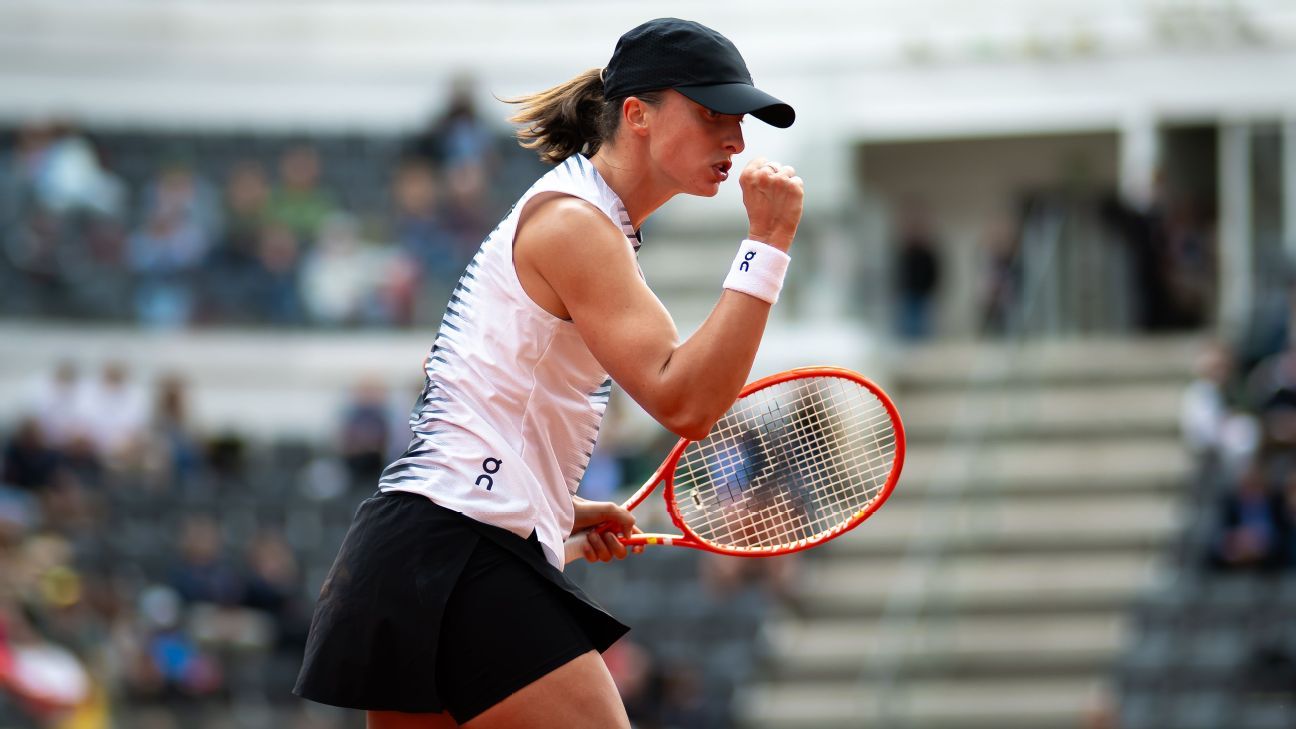
ROME — Iga Swiatek continues to look nearly untouchable on the red clay of Rome, delivering a masterclass in efficiency to secure her place in the Italian Open semifinals. On Wednesday, the world number one showcased the devastating combination of heavy topspin and relentless lateral movement that has become her trademark, dismantling No. 5 seed Jessica Pegula in a clinical straight-sets victory.
The match, which lasted a mere 67 minutes, saw Swiatek dictate play from the opening rally. The Polish star raced through the contest with a 6-1, 6-2 scoreline, leaving little room for the American to find any rhythm on the sluggish surface. For Swiatek, a three-time champion of this prestigious tournament, the performance served as a resounding statement of intent as the clay-court season reaches its crescendo.
The speed and precision of the victory underscore Swiatek’s current dominance in the women’s game. While Pegula is known for her exceptional consistency and ability to absorb pressure, she appeared unable to counter the sheer weight of Swiatek’s groundstrokes. The mismatch was evident in the short duration of the match, as Swiatek’s ability to dictate the tempo prevented Pegula from establishing the baseline rallies required to disrupt the Pole’s momentum.
A Tactical Masterclass in Rome
The tactical breakdown of the match reveals why Swiatek remains the player to beat on clay. Throughout the 67-minute blitz, Swiatek utilized high-margin topspin to push Pegula deep behind the baseline. This positioning allowed Swiatek to step inside the court and take time away from her opponent, effectively neutralizing Pegula’s ability to strike flat, penetrating shots.

Pegula, who entered the quarterfinal as the No. 5 seed, struggled to find an answer for Swiatek’s sliding defensive capabilities. Every time Pegula managed to land a heavy blow, Swiatek was able to reset the point with deep, looping shots that forced the American into uncomfortable hitting zones. The statistical dominance was reflected in the scoreline: a 6-1 opening set that immediately signaled the difficulty of the task ahead for the American camp.
In the second set, while Pegula attempted to adjust her return positioning, Swiatek’s service games remained largely unchallenged. The Pole’s ability to combine defensive stability with sudden, aggressive transitions allowed her to close out the match with a 6-2 second set, effectively ending any hopes of a comeback.
The Significance of the Italian Open
The Italian Open, or the Internazionali BNL d’Italia, holds a unique position in the professional tennis calendar. As one of the most significant lead-up tournaments to Roland Garros, the conditions in Rome provide a vital litmus test for players’ readiness for the French Open. The heavy clay and often slower conditions demand a specific type of physical conditioning and tactical patience.
For Swiatek, success in Rome is more than just adding another trophy to her mantle; it is about refining the movement and heavy-spin patterns that are essential for success in Paris. Her three titles in Rome demonstrate a profound understanding of how to navigate the unique nuances of Italian clay, a skill set that distinguishes her from players who excel more on faster surfaces.
Pegula’s defeat, while decisive, does not diminish her standing in the top five of the WTA rankings, but it highlights the immense gap that currently exists between the very top of the order and the rest of the field. For the American, the focus will now shift to adjusting her tactical approach to handle the extreme spin profiles encountered in these high-level clay-court matchups.
Key Match Statistics
| Metric | Iga Swiatek | Jessica Pegula |
|---|---|---|
| Set Score | 6-1, 6-2 | 1-6, 2-6 |
| Match Duration | 67 minutes | |
| Seed Status | No. 4 | No. 5 |
| Surface | Red Clay | |
What Happens Next?
As Swiatek advances to the semifinals, the pressure only intensifies. Her path to a fourth Italian Open title will require her to maintain this level of intensity against increasingly demanding opposition. The upcoming matches in Rome will likely feature more grueling, longer rallies as opponents attempt to extend the points and test Swiatek’s physical endurance.
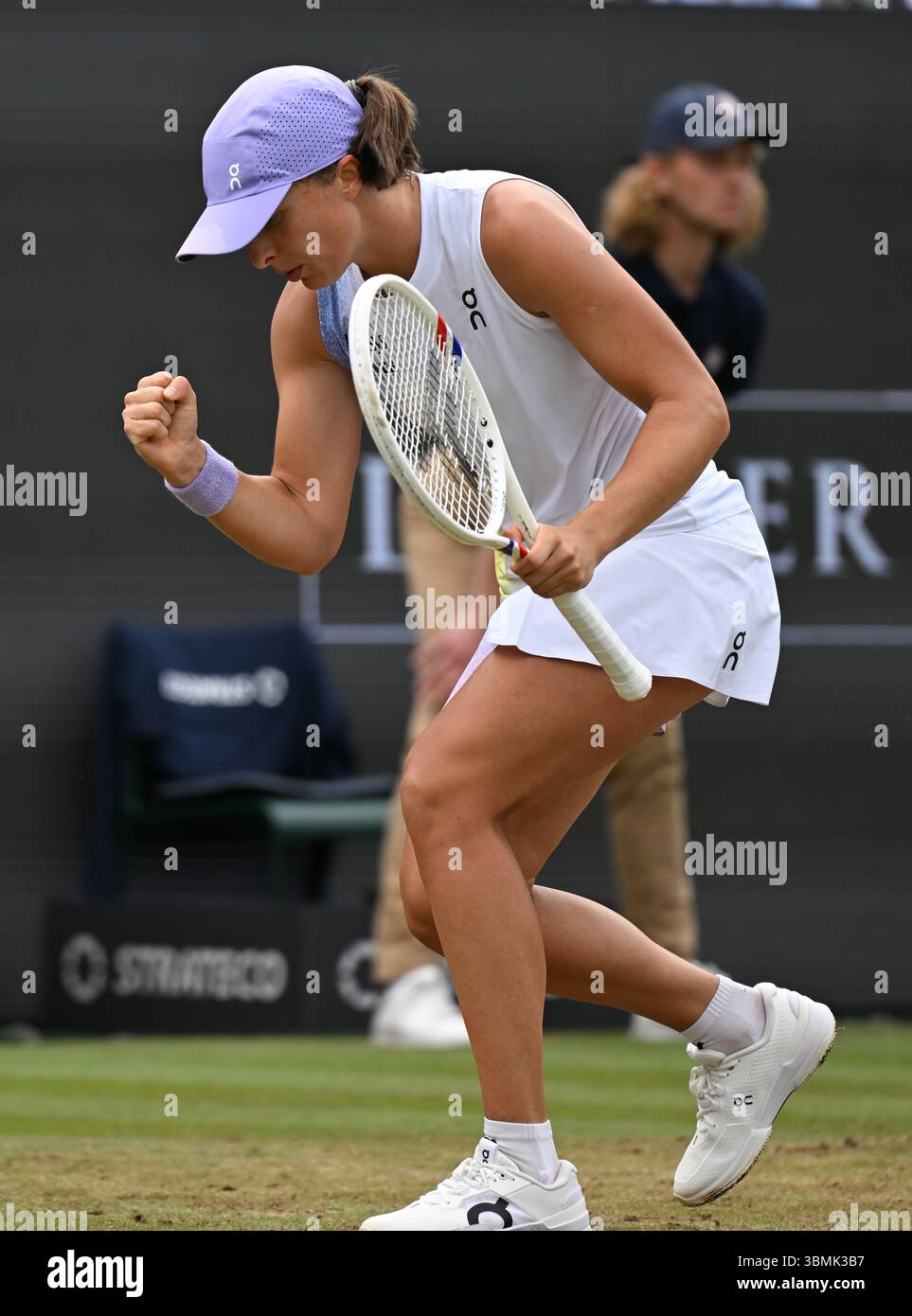
For the tournament organizers and fans, the semifinals promise high-stakes drama. Swiatek’s ability to maintain her clinical efficiency will be the deciding factor in whether she continues her march toward the final. The tennis world will be watching closely to see if anyone can disrupt the rhythm of the woman who currently defines the standard of clay-court excellence.
Key Takeaways
- Clinical Efficiency: Swiatek secured the victory in just 67 minutes, demonstrating a level of dominance rarely seen in quarterfinal matchups.
- Tactical Superiority: The use of heavy topspin and lateral movement proved to be the deciding factor in neutralizing Pegula’s baseline game.
- Tournament Momentum: Swiatek’s victory reinforces her status as the favorite heading into the semifinals and the subsequent Grand Slam season.
- Ranking Implications: The result maintains the gap between the top-seeded players and the chasing pack in the WTA rankings.
The semifinals of the Italian Open are scheduled to continue through the weekend, with official match times and pairings to be confirmed by the tournament officials following the conclusion of the remaining quarterfinal matches.
What are your thoughts on Swiatek’s performance in Rome? Can anyone stop her momentum heading into the clay season? Let us know in the comments below and share this story with your fellow tennis fans.
Keep reading