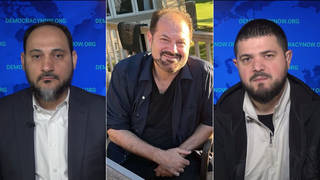
Free Salah Sarsour: How a Milwaukee Mosque Leader’s Deportation Case Tests U.S. Immigration and Free Speech Laws
May 14, 2026 — London — The detention of Salah Sarsour, president of Wisconsin’s largest mosque, has become a flashpoint in the debate over U.S. Immigration enforcement, past military convictions and the rights of Palestinian immigrants. Since his arrest in late March by U.S. Immigration and Customs Enforcement (ICE), Sarsour—who holds lawful permanent resident status—has been held in an ICE detention facility, facing deportation proceedings that his supporters argue unfairly target pro-Palestinian voices.
At the heart of the case is a decades-old conviction by Israeli military authorities when Sarsour was a teenager in the occupied West Bank. Legal experts say the situation raises critical questions about how U.S. Immigration law interacts with foreign military convictions, particularly when those convictions involve allegations of torture and language barriers. Meanwhile, community leaders and legal advocates describe Sarsour’s case as a potential “litmus test” for free speech protections under current administration policies.
The story has galvanized Milwaukee’s Muslim and Jewish communities, who have organized protests and legal campaigns demanding Sarsour’s release. His family, including his son Kareem, has spoken publicly about the emotional toll of his detention, including missing the birth of his ninth grandchild while incarcerated. As the case unfolds, it also intersects with broader political tensions over immigration enforcement, foreign policy, and the treatment of immigrant communities.
Who Is Salah Sarsour and Why Is He Being Detained?
Salah Sarsour, 58, is the president of the Islamic Society of Milwaukee, the largest mosque in Wisconsin. A Palestinian immigrant who arrived in the U.S. In the 1990s, Sarsour has been a prominent community leader for nearly three decades, known for his work in interfaith dialogue and social justice initiatives. He holds lawful permanent resident (green card) status, which typically protects him from deportation unless he commits certain crimes.
According to ICE and U.S. Immigration authorities, Sarsour faces deportation for failing to disclose a conviction by Israeli military authorities when he was a teenager in the occupied West Bank. Legal documents obtained by The New York Times indicate that Sarsour was convicted in 1987 of “incitement to violence” and sentenced to 18 months in prison. However, Sarsour and his legal team argue that the charges were presented to him in Hebrew—a language he did not understand—and that he was subjected to torture during his detention. They contend that the conviction was politically motivated and that he was never given a fair trial.
Key legal questions:
- Does U.S. Immigration law require disclosure of foreign military convictions, even when obtained under alleged coercion?
- Can a conviction obtained through torture or without due process be considered valid under U.S. Law?
- How does this case fit into broader patterns of immigration enforcement targeting immigrant communities?
“Salah’s case will be a litmus test. Will we allow the administration to gut those rights and to strip people from their free speech?”
The Legal Battle: Disclosure Requirements and Foreign Convictions
The core legal issue in Sarsour’s case revolves around U.S. Immigration law’s disclosure requirements for lawful permanent residents. Under Section 237(a)(1)(A) of the Immigration and Nationality Act, green card holders must disclose certain criminal convictions, including those obtained abroad. However, the law does not explicitly address convictions obtained through torture, coercion, or in languages the defendant does not understand.
Sarsour’s legal team argues that his conviction should not be considered valid under U.S. Law due to these circumstances. They point to international human rights standards, including the UN Convention Against Torture, which prohibits states from recognizing convictions obtained through torture. The team has filed motions challenging the admissibility of evidence related to the Israeli conviction, claiming it violates Sarsour’s rights under the Fifth and Eighth Amendments of the U.S. Constitution.
Meanwhile, ICE maintains that Sarsour failed to disclose the conviction during his green card application process, which is a misrepresentation that could render him deportable. The agency has not publicly commented on the allegations of torture or language barriers, though internal documents suggest that immigration officers are aware of the disputed nature of the conviction.
Community Response: A Rallying Cry for Free Speech and Immigration Rights
Sarsour’s detention has sparked widespread outrage among Milwaukee’s Muslim and Jewish communities, who have organized protests, legal fundraisers, and advocacy campaigns. Leaders from both faiths have framed the case as part of a broader pattern of targeting pro-Palestinian voices, particularly in the wake of the October 7, 2023, attacks by Hamas and the subsequent Israeli military response in Gaza.
Community reactions:
- Muslim Community: Imams and activists describe Sarsour as a “pillar” of the community, known for his work in interfaith dialogue and social services. His detention has been compared to other high-profile cases involving immigrant leaders, such as Ahmed Ahmed, who was detained in 2017.
- Jewish Community: Progressive Jewish organizations, including JStreet, have joined calls for Sarsour’s release, arguing that his case reflects broader concerns about immigration enforcement and free speech.
- Legal Advocacy: Groups like the ACLU and the Council on American-Islamic Relations (CAIR) have filed amicus briefs supporting Sarsour, citing concerns about the chilling effect such cases could have on immigrant communities.
Broader Implications: Immigration Enforcement and Political Tensions
Sarsour’s case comes at a time of heightened political tensions over immigration policy. The Biden administration has faced criticism from both progressives and conservatives over its handling of deportation cases, particularly those involving immigrants with long-standing ties to the U.S. While the administration has emphasized “targeted enforcement” focusing on recent arrivals and national security threats, cases like Sarsour’s highlight the complexities of applying immigration law to individuals with foreign convictions obtained under disputed circumstances.
Legal experts note that Sarsour’s case could set a precedent for how U.S. Courts handle foreign military convictions, particularly in cases involving allegations of torture or lack of due process. If the government succeeds in deporting Sarsour, it could embolden similar actions against other immigrants with past foreign convictions, regardless of how those convictions were obtained.
the case intersects with broader debates about U.S. Foreign policy and its treatment of Palestinian immigrants. Supporters argue that Sarsour’s detention is part of a broader pattern of targeting pro-Palestinian voices, particularly in the context of the Israel-Gaza conflict. Critics of the administration point to the timing of Sarsour’s arrest—just days after a high-profile speech he gave advocating for Palestinian rights—as evidence of politically motivated enforcement.
What Happens Next? Key Developments in the Case
Salah Sarsour is arrested by ICE agents at his home in Milwaukee and taken into custody without a warrant. His family is not immediately informed of his whereabouts.
ICE confirms Sarsour is in detention but declines to specify charges. His legal team files an emergency motion for his release, citing his lawful permanent resident status and lack of criminal record in the U.S.
A federal judge denies bail, citing national security concerns and the potential flight risk. Sarsour remains in ICE custody pending deportation proceedings.
Community protests escalate in Milwaukee, with thousands demanding Sarsour’s release. Legal teams announce plans to appeal the bail denial.
A federal appeals court is scheduled to review the bail denial. Legal experts say this hearing could be pivotal in determining whether Sarsour remains in detention or is released pending further proceedings.
How to Follow the Case and Support Sarsour
For those seeking updates on Salah Sarsour’s case, the following resources provide official information and ways to get involved:

- Legal Updates: Follow the ACLU’s case page for motions, court filings, and hearing schedules.
- Community Support: Donations to the Salah Sarsour Legal Defense Fund help cover legal fees and bail costs.
- Protest Information: Check Islamic Society of Milwaukee’s website for upcoming rallies and solidarity events.
- Official ICE Records: Request records related to Sarsour’s detention through a FOIA request to ICE.
What You Can Do:
- Share this story to raise awareness about immigration enforcement and free speech rights.
- Contact your representatives to urge them to support Sarsour’s release and advocate for fair immigration policies.
- Follow verified news sources for updates on the case, including The New York Times, The Washington Post, and Reuters.
Key Takeaways: What This Case Means for Immigration and Free Speech
- Precedent for Foreign Convictions: Sarsour’s case could set a legal precedent for how U.S. Courts handle foreign military convictions, particularly those obtained under allegations of torture or coercion.
- Community Impact: The detention has galvanized Milwaukee’s Muslim and Jewish communities, framing the issue as one of free speech and religious freedom.
- Political Implications: The timing of Sarsour’s arrest has fueled accusations of politically motivated enforcement, particularly in the context of U.S. Foreign policy toward Palestine.
- Legal Challenges: His legal team is arguing that the Israeli conviction should not be recognized under U.S. Law due to violations of international human rights standards.
- Broader Enforcement Trends: The case highlights ongoing debates about how U.S. Immigration law balances national security with the rights of long-term residents.
As the next hearing approaches, all eyes will be on whether federal courts will uphold the detention or recognize the legal and humanitarian concerns raised by Sarsour’s supporters. The outcome could have far-reaching implications for immigrant communities across the U.S.
Next Steps: The federal appeals court hearing on May 14, 2026, will determine whether Sarsour remains in detention or is released pending further proceedings. Legal experts anticipate that the court’s ruling could influence similar cases involving foreign convictions and immigration status.
We welcome your thoughts on this developing story. Share your perspective in the comments below or join the conversation on social media using #FreeSalahSarsour.
Keep reading