
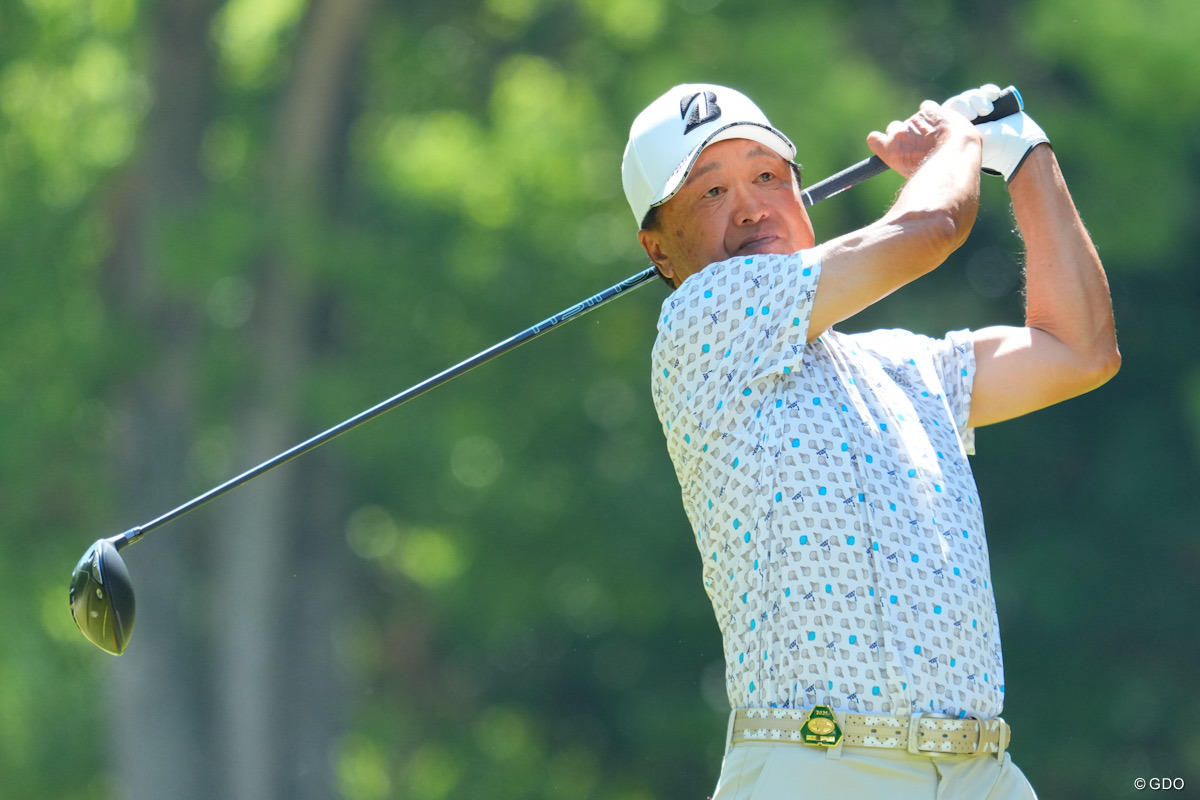
Berlin, May 14, 2026 — In a sport where physical decline is often synonymous with retirement, Masahiro Kuramoto, the 70-year-old Japanese professional golfer, has defied expectations. During the recent Japan Golf Tour event, Kuramoto achieved an eagle—a score of two under par on a hole—marking his first such accomplishment in 14 years. While the shot fell short of his expectations, the feat underscored a career that continues to challenge conventional wisdom about aging in professional sports.
Kuramoto’s performance is not just a personal triumph but a cultural phenomenon in Japan, where golf remains a deeply respected sport. His ability to compete at an elite level decades after peers have retired has sparked conversations about physical resilience, mental fortitude, and the evolving landscape of professional athletics. For a global audience, Kuramoto’s story offers a compelling case study in how modern training, nutrition, and sports science can extend athletic careers far beyond traditional retirement ages.
Yet, behind the headlines lies a more complex narrative: Kuramoto’s announcement that this season may be his last as a regular competitor adds emotional weight to his achievements. His journey—from a young prodigy to a veteran legend—reflects broader shifts in how athletes, fans, and sports organizations view longevity in sports. This article explores Kuramoto’s remarkable career, the science behind his endurance, and what his legacy means for the future of golf and aging athletes worldwide.
Masahiro Kuramoto: A Career Defying the Odds
Masahiro Kuramoto was born on October 12, 1955, in Osaka, Japan. By the age of 20, he had already turned professional, joining the Japan Golf Tour in 1976. Over the ensuing decades, Kuramoto carved out a legacy as one of Japan’s most consistent and respected players, accumulating 31 official victories on the tour—a testament to his skill, and longevity. His career spanned over four decades, a rarity in professional golf where most players peak in their 30s and retire by their late 40s or early 50s.
Kuramoto’s ability to maintain competitive form into his 70s is particularly striking. While specific medical details about his training regimen remain private, industry insiders and sports scientists have noted the role of advanced rehabilitation techniques, personalized nutrition, and mental conditioning in extending athletic careers. Golf, with its blend of physical precision and strategic thinking, offers a unique platform for athletes to compete well into their later years—provided they adapt their approach.
In a 2023 interview with Golf Digest Japan, Kuramoto attributed his longevity to a combination of discipline, respect for the game, and an unwavering work ethic. “Golf is not just about hitting the ball far,” he said. “It’s about understanding the course, managing your emotions, and respecting the history of the sport. Those things don’t disappear with age.” His words resonate with a growing body of research on cognitive and motor skills in aging athletes, highlighting how mental acuity can compensate for physical changes.
The Eagle That Wasn’t Enough
During the recent Japan Golf Tour event, Kuramoto’s eagle on the 15th hole—his first in 14 years—was met with both celebration and disappointment. The shot itself was a technical marvel, requiring precision and confidence, but Kuramoto later admitted it fell short of his expectations. “I thought I could have done a little more,” he reflected in post-round comments. “But the significant thing is that I’m still able to compete at this level.”
Kuramoto’s performance placed him at 66th position in the tournament standings, a far cry from the top spots occupied by younger competitors like Mitsuteru Maeda, who secured a single-digit lead. Yet, the moment symbolized more than just a statistical achievement: it was a reminder that golf, unlike many sports, does not have a strict retirement age. Players like Ernie Els and Greg Norman have also demonstrated that experience and wisdom can offset youthful athleticism.
Announcing a Potential Farewell
Adding emotional weight to his recent performance, Kuramoto has hinted that this season may be his last as a regular competitor. While no official announcement has been made, his remarks align with a broader trend in professional sports where athletes in their late 60s and 70s transition from competition to mentorship or commentary roles. For Kuramoto, this shift represents the culmination of a lifetime dedicated to golf.
“I’ve been fortunate to play this game for so long,” Kuramoto told reporters. “But now, I think it’s time to pass the torch to the next generation.” His potential retirement echoes the careers of other legendary figures, such as Jack Nicklaus, who continued competing well into his 50s before transitioning to golf course design and broadcasting.
The Science Behind Kuramoto’s Longevity
So, what allows athletes like Kuramoto to compete at such advanced ages? The answer lies in a combination of biological, psychological, and technological factors:
- Physical Adaptation: Golf places less emphasis on explosive power than sports like tennis or basketball, making it more accessible to older athletes. Kuramoto’s focus on core stability and rotational strength has helped maintain his swing mechanics.
- Mental Resilience: Studies show that experienced athletes develop superior decision-making under pressure, a skill that becomes even more critical as physical abilities decline.
- Nutrition and Recovery: Modern sports science emphasizes personalized nutrition and recovery protocols, including cryotherapy and regenerative medicine, to mitigate the effects of aging.
- Technology: Advances in club design, swing analysis software, and biomechanical research have allowed older players to optimize their performance.
Kuramoto’s case also highlights the role of autonomy and intrinsic motivation in athletic longevity. Unlike team sports where roles may become limited, golf allows players to dictate their own pace and focus on personal goals rather than team dynamics.
What Kuramoto’s Career Means for Aging Athletes
Masahiro Kuramoto’s story is more than a golf anecdote. it’s a blueprint for redefining athletic limits. In an era where sports organizations increasingly value experience and wisdom, Kuramoto’s career challenges the notion that physical decline must equate to retirement. His journey offers valuable lessons for:
- Aspiring Athletes: Longevity in sports is not just about talent but also about adaptability, discipline, and a willingness to evolve.
- Coaches and Trainers: Tailoring training programs to individual aging trajectories can extend competitive careers.
- Sports Organizations: Creating pathways for veteran athletes to transition into mentorship, commentary, or course design roles can enrich the sport’s ecosystem.
- General Population: Kuramoto’s example demonstrates that physical activity and mental engagement can be sustained well into later life, debunking myths about aging.
For golf fans, Kuramoto’s potential retirement marks the end of an era—but also the beginning of a new chapter. Whether as a commentator, ambassador for the sport, or even a course designer, his influence on golf will likely endure. His legacy serves as a reminder that greatness in sports is not measured solely by trophies or records but by the impact one leaves on the game and its participants.
Looking Ahead: What’s Next for Masahiro Kuramoto?
While Kuramoto’s exact plans remain unclear, industry insiders speculate that he may take on roles such as:

- Golf commentator or analyst for Japanese broadcasts.
- Mentor for young Japanese golfers, possibly through the Japan Golf Tour’s development programs.
- Course designer or consultant, leveraging his extensive experience on Japan’s golf courses.
- Ambassador for golf-related charities or initiatives promoting the sport in Japan.
The next official update on Kuramoto’s status is expected following the conclusion of the Japan Golf Tour season in October 2026. Fans and colleagues alike will be watching closely to see how this golfing icon chooses to spend his final years in the sport he loves.
Key Takeaways
- Defying Conventions: At 70, Masahiro Kuramoto’s recent eagle shot underscores how golf allows athletes to compete at elite levels well beyond traditional retirement ages.
- Science of Longevity: His career highlights the role of physical adaptation, mental resilience, and modern sports science in extending athletic careers.
- Cultural Impact: In Japan, where golf is deeply respected, Kuramoto’s story inspires discussions about aging, discipline, and the value of experience.
- Legacy Beyond Competition: As he approaches retirement, Kuramoto’s potential transition into mentorship or commentary roles reflects a broader trend in sports.
- Global Relevance: His journey offers lessons for athletes, coaches, and organizations worldwide about redefining athletic limits.
FAQ: Masahiro Kuramoto’s Career and Legacy
Q: How many official victories does Masahiro Kuramoto have on the Japan Golf Tour?

A: Kuramoto has 31 official victories on the Japan Golf Tour, a record that reflects his consistency and longevity in the sport.
Q: What is an “eagle” in golf?
A: An eagle is a score of two under par on a hole. For example, if a hole is rated as a par-4, an eagle would be a score of 2. It is one of the rarest and most celebrated achievements in golf.
Q: Has Kuramoto ever competed in international tournaments?
A: While Kuramoto’s primary career has been on the Japan Golf Tour, he has participated in international events, including the Presidents Cup and the Ryder Cup as part of Japan’s team. His experience has contributed to Japan’s growing reputation in global golf.
Q: What makes golf unique for aging athletes?
A: Golf’s low-impact nature, emphasis on technique over brute strength, and individual pace make it one of the most accessible sports for older athletes. Unlike team sports, golfers can focus on personal goals and adapt their game as they age.
Q: Are there other athletes who have competed at similar ages?
A: Yes, several athletes have defied age norms in their respective sports. For example:
- Ernie Els (golf) competed professionally into his late 50s.
- Serena Williams (tennis) won her last Grand Slam title at age 37.
- Stephen Curry (basketball) continues to excel in his 30s, though his sport demands a different physical profile.
Kuramoto’s case, however, stands out for its longevity and consistency in a sport where precision and experience are paramount.
Final Thoughts: A Legend’s Last Chapter
Masahiro Kuramoto’s career is a testament to what is possible when passion, discipline, and adaptability intersect. As he approaches what may be his final season on the tour, his story serves as a reminder that greatness in sports—and in life—is not confined by age. For fans, his journey offers inspiration; for athletes, it provides a roadmap; and for the sport of golf, it underscores the enduring appeal of a game that transcends generations.
We invite you to share your thoughts on Kuramoto’s legacy in the comments below. Has his career inspired you to reconsider the limits of aging in sports? Or do you have a favorite story of an athlete who defied expectations? Join the conversation and help us celebrate the spirit of resilience that defines legends like Masahiro Kuramoto.
Next Update: Official confirmation of Kuramoto’s plans for the 2026–2027 season is expected by October 2026, following the conclusion of the Japan Golf Tour’s regular season.